
We all know that staying active can help us maintain strength, flexibility, mobility and balance, especially as we get older. But if pumping iron or pounding the pavement isn’t your jam, low-impact exercise may be worth exploring.
Pilates and Tai Chi take very different approaches to movement and provide different fitness benefits. Which one is right for you?
Pilates
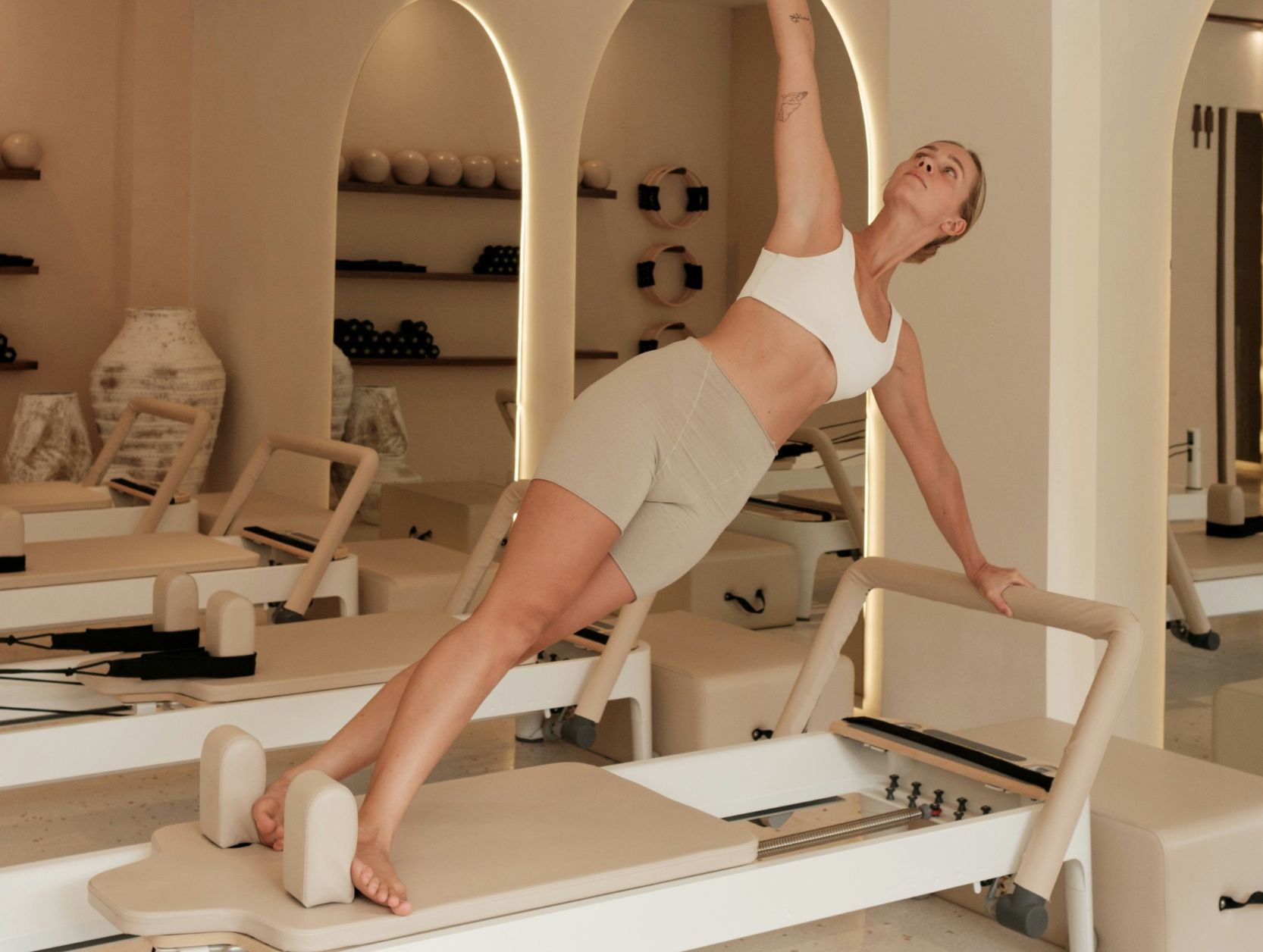
Pilates is a low-impact exercise characterized by controlled movement, strength, balance and flexibility. Exercises are often performed slowly and deliberately, with an emphasis on alignment, breathing and control. It tends to be known for its ability to build core strength.
Lindsay Gordon, who co-owns Yogashala Wellness Centre in Waterdown alongside Cheri DeMenna, explains that the core means more than just our abdominal muscles. “It includes the deep muscles that support our spine, pelvis, and overall stability,” Gordon says. “What makes Pilates unique is that we’re not simply isolating the abs with traditional exercises. We’re teaching the body to engage and strengthen the core through a wide variety of movements, often while challenging our balance, coordination, and control.”
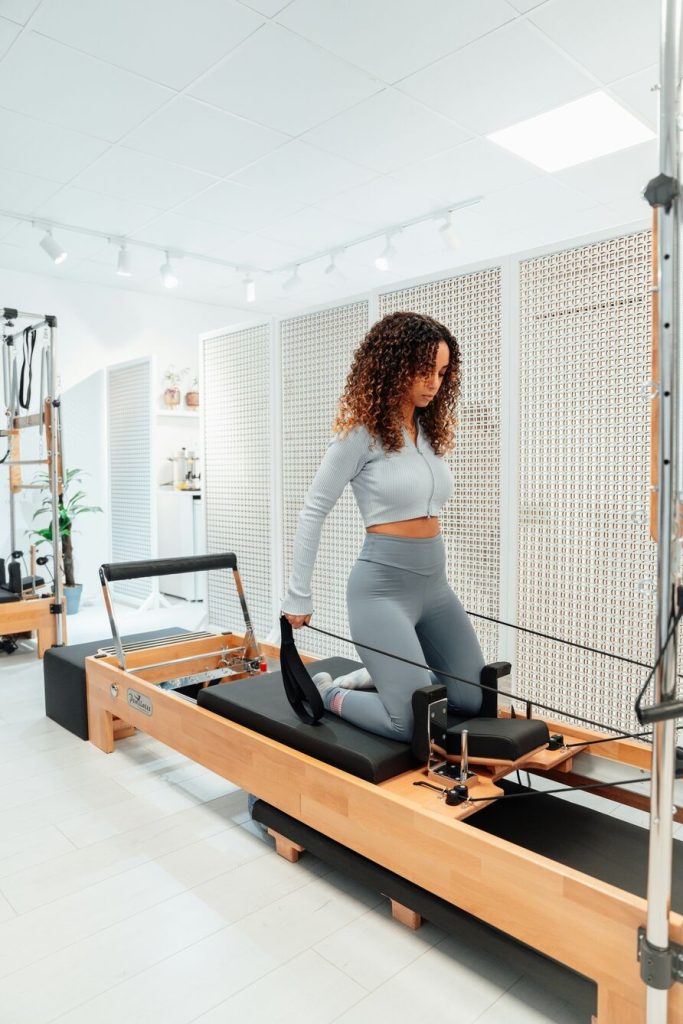
The rest of the body also gets a serious workout. “Your core does get a lot of attention, but we’re also working your back, hips, bum, legs, arms and shoulders,” says Marion Duffield, owner of Pilates on Plains in Aldershot. “It might look easy when you’re watching someone else do it, but then you try it and think, ‘Oh! I didn’t even know I had a muscle there.’”
Tai Chi
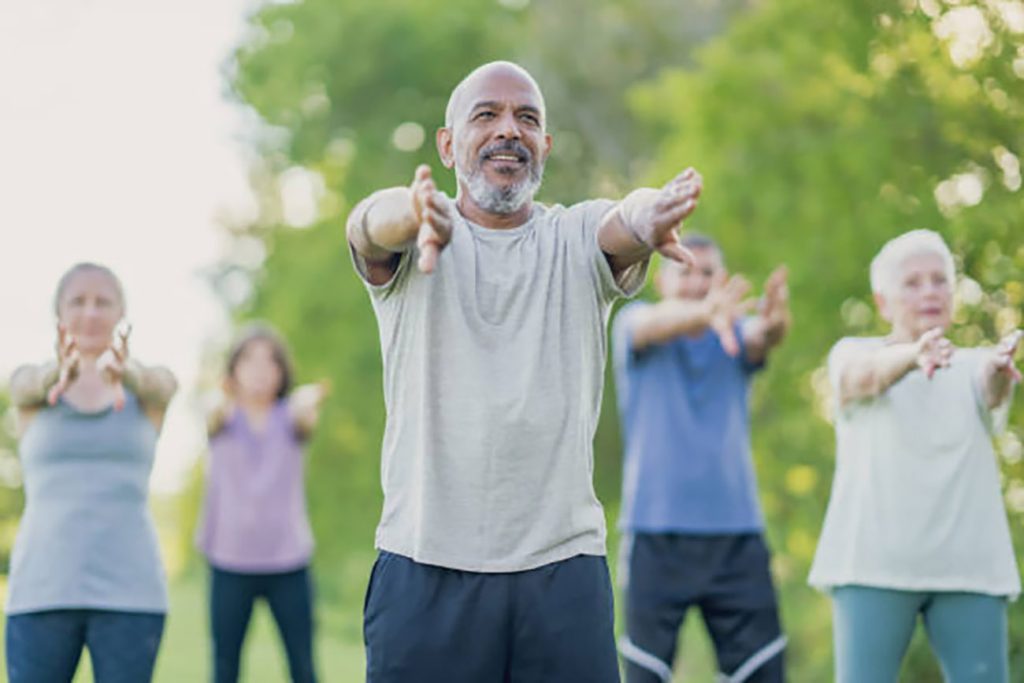
Tai Chi is a traditional Chinese mind-body exercise consisting of a series of 108 movements. It’s often referred to as a moving meditation due to its slow, continuous movements. “The slowness of the moves and focused concentration encourages both physical and mental relaxation,” says Sandy Hansen, who teaches Tai Chi.
Paul Garvey has been practicing Tai Chi for three years with the Taoist Tai Chi Society. “I used to do karate when I was younger,” says Garvey. “As I got older, I didn’t need to be breaking boards.”
For Garvey, Tai Chi offered a gentler way to stay active and he has noticed improved balance, flexibility and strength. “It’s a very non-aggressive form of stretching and movement and twisting,” says Garvey.
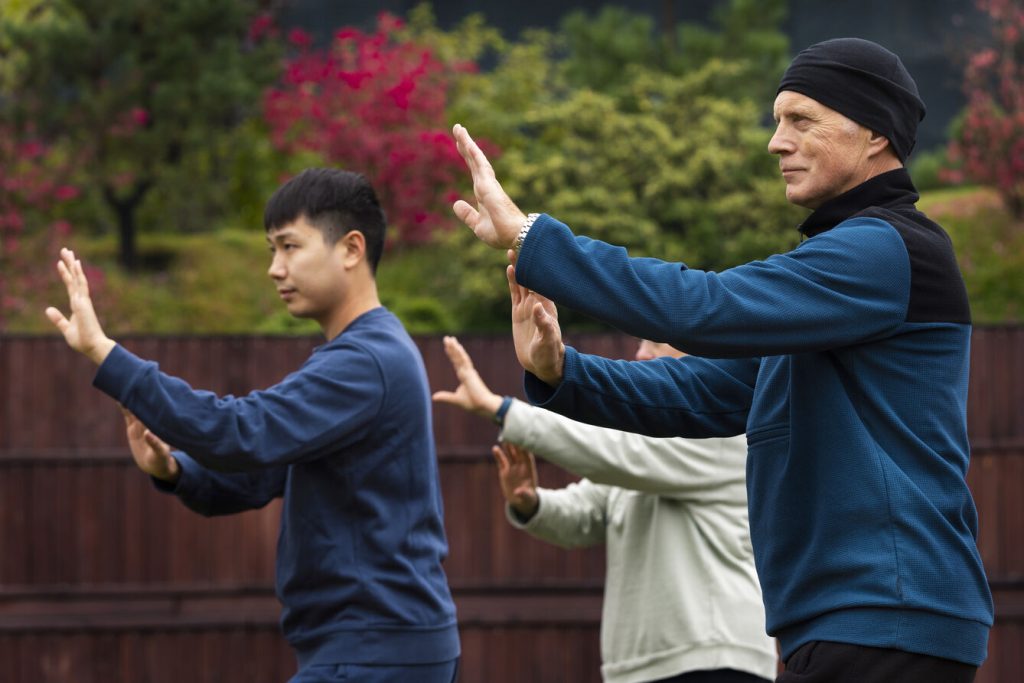
But don’t let the slow pace fool you. “When I focus and move slowly with muscle control, it’s a really good workout,” he says.
Tai Chi also provides cardiovascular benefits. “During a warm-up set, the repetitive squatting increases the circulation of blood and oxygen to all parts of the body, strengthening the cardiovascular system,” says Hansen.
Balance and movement are key components of Tai Chi. “The movements tend to flow gently, with an emphasis on shifting weight, maintaining balance, coordinating the upper and lower body, breathing and staying present,” say Robert Tang and Beverley Cayton Tang, owners of danceScape in Burlington. They developed the danceFLOW Qigong/Tai Chi program, which places less emphasis on memorizing a long sequence and more on understanding fundamental movement principles and experiencing flow.
Athletic vs. Zen
While both Pilates and Tai Chi are low-impact and adaptable, each offers different approaches to movement.
Pilates puts more emphasis on strength, core stability, posture, flexibility and controlled, repetitive exercises. Tai Chi involves continuous movement from one position to another by shifting body weight, while coordinating arms, breathing and posture, with emphasis on mind-body awareness.
Both of these low-impact workouts often involve slow, intentional movement, which is much harder than it looks.
“It’s not about how fast you move or how many repetitions you can do. It’s about how you move,” Gordon says. “When we slow things down, we take momentum out of the equation and ask our muscles to do the work. A great workout doesn’t always have to be fast-paced or leave you dripping in sweat to be effective.”
In the end, it may simply come down to which style of movement you enjoy most.
| Fitness Benefit | Pilates | Tai Chi |
| Core Strength | High | Moderate |
| Muscular strength | Moderate – High | Moderate |
| Strength Training | High | Moderate |
| Flexibility/mobility | Moderate – High | Moderate – High |
| Balance/stability | Moderate – High | High |
| Stress reduction | Moderate | High |
| Key Focus | Strength, core control, posture, mobility | Balance, coordination, relaxation |
LOCAL LINKS
Pilates:
- Pilates By Yogashala – 5 Mill Street South, Waterdown
- Pilates on Plains – 30 -100 Plains Road West, Burlington
- Revity Pilates – 2180 Itabashi Way, Burlington
- Studio Technique – 3325 Harvester Road, Burlington
- Club Pilates – locations in Burlington and Oakville
- Pilates Vitality & Wellness Studio – 1400 Cornwall Road, Oakville
Tai Chi
- Taoist Tai Chi Society
St. Christopher’s Anglican Church, 662 Guelph Line, Burlington, Wednesdays, 7-9 pm - Glen Abbey United Church, 1469 Nottinghill Gate, Oakville,
Fridays, 11 am-1 pm
More information is available through Taoist.org - DanceScape – 2077 Pine Street, Burlington
Leung’s Yang Tai Chi – yangtaichi.ca
By Lisa Evans
Comments are closed.