

Category

Health & Wellness

Category

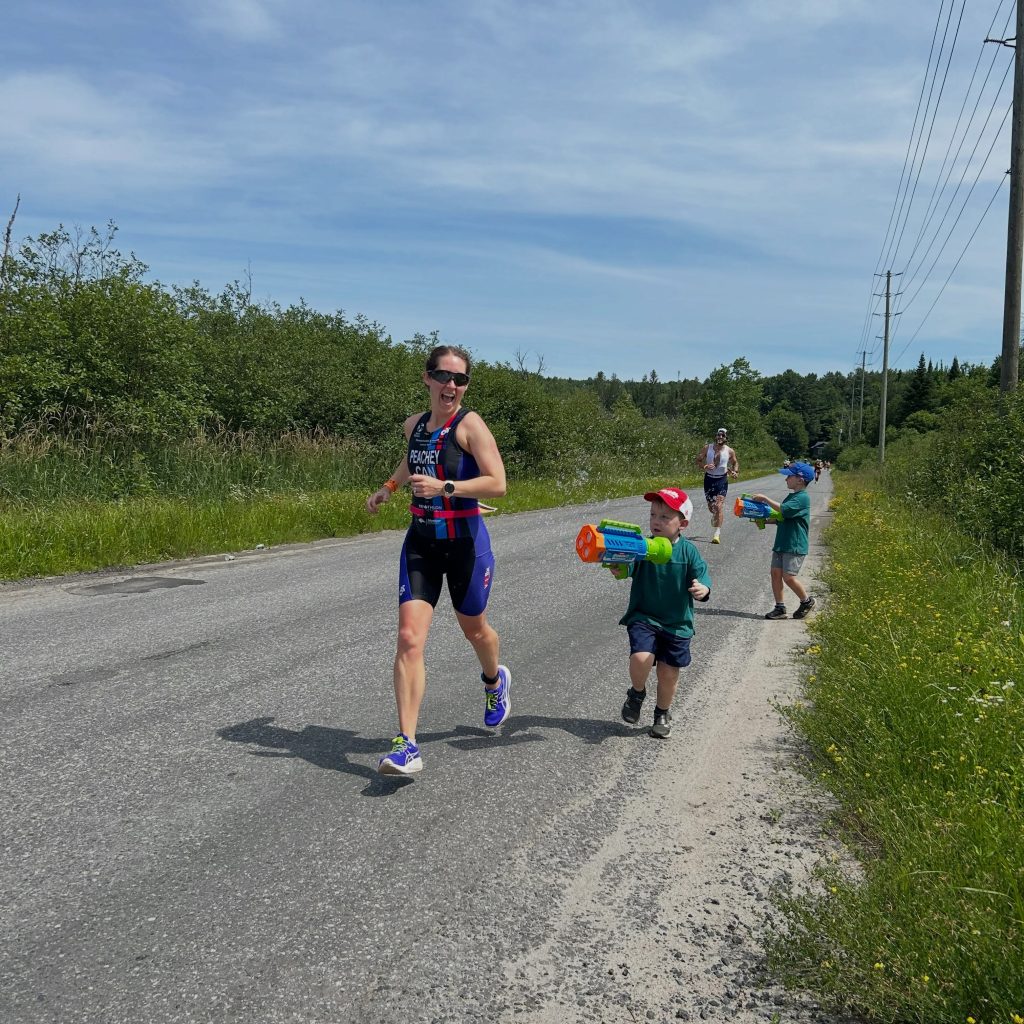
In late spring, Halton region comes alive with opportunities to lace up your running shoes or hop on your bike. Charity fitness events are a feel-good way to stay active while supporting local initiatives. Many are family friendly, welcoming participants of all ages and fitness levels.

The Moon in June is one of the longest charity running races in Halton. Now in its 37th year, this evening run takes over downtown Burlington and has something for everyone: a 1K kids fun run, followed by 5K and 10K races. All funds raised support the Children’s Aid Foundation of Halton. Organizer Greg Pace says it has become a true multi-generational event. “We’re so old now that we’ve had kids do the 1K run and now they’re doing the 5K or 10K and their kids are doing the 1K,” says Pace.

An exciting addition to the event calendar this year is the Bronte Harbour Classic 5K. Organized by the Bronte Runners Club, this inaugural race takes place on Father’s Day (Sunday, June 21) at Bronte Heritage Waterfront Park with proceeds supporting the Oakville Dads Community Fund. A Kids 1K fun run and post-race festivities make the run a fun family event.

“The 5K distance is approachable for anyone who wants to get off the couch and try something new,” says Greg Kowalczyk, Race Co-Director of the Bronte Harbour Classic 5K.

If you’re worried about your stamina to run a 5K distance, Pace points out that many events are flexible and welcoming. “Most runs will allow walkers,” he says. 

Cyclists have plenty to look forward to as well. The Tour d’Aldershot draws some serious cyclists with a challenging 80K route, but also offers a 40K, a 10K and a relaxed 3K route perfect for families. “You can ride a bike, take a scooter, walk with a stroller. It stays within LaSalle park so you never go on the road,” says Payton Frappier, Social Enterprise Manager of Next Door Social Space. The ride is the organization’s largest fundraiser, supporting a powerful mission of providing meals to people in need.

Charity races aren’t about distance or speed. They’re about coming together as a community for a larger goal.

“The finish line matters, but so does everything around it — the conversations on the course, the volunteers cheering you on, the families waiting at the finish. It’s a shared sense of purpose that elevates the whole experience,” says Kowalczyk.

Run4Lighthouse

“It’s just about doing it and finishing it and the sense of accomplishment,” Frappier says. Knowing your effort makes a real difference in your community is a huge bonus. Next Door Social Space provides over 10,000 meals a year, with funds from the ride supporting their community kitchen.

For some people, participating in a charity fitness event is achieving a personal fitness goal. For others, it’s a chance to spend quality time with family or friends. But for many, it’s about giving back.

“You’re not just signing up to be a runner; you’re signing up to do something good,” says Kowalczyk. And that bigger purpose helps take the pressure off. “Nobody feels out of place when the reason you’re there is bigger than your pace.”

Charity Runs and Rides this Spring

May 9 – Mother’s Day 5K, Hamilton
5K walk/run supporting the Canadian Cancer Society.
runhamilton.ca

May 23 – Run for Women, Oakville
10K run, 5K walk or run, 1K fun run for kids supporting women’s mental health programs at Oakville Trafalgar Memorial Hospital.
visitoakville.com/events/run-for-women

May 23 – Tour d’Aldershot, Burlington
80K, 40K, 10K, 3K supporting Next Door Social Space. 
ontariobybike.ca/event-item/tour-daldershot-2026

May 30 – Run4Lighthouse, Burlington
5K, 1K supporting services for grieving families. lighthousegriefsupport.org/events/run4lighthouse-2025

June 6 – Moon in June Road Race, Burlington
Nighttime 10K run, 5K walk or run, 1K kids run supporting the Children’s Aid Foundation of Halton. 
mooninjune.ca

June 7 – Run for Women, Hamilton
10K, 5K, kids 1K supporting women’s mental health programs at St. Joseph’s Healthcare Hamilton.
runforwomen.ca

June 7 – Halton-Peel Gutsy Walk, Oakville
5K walk in support of Crohn’s and Colitis Canada.

June 13–14 – Ride to Conquer Cancer
One of Canada’s largest charity rides raising funds for cancer research. 200K, 100K, 50K distances with various route options between Toronto – Niagara.
pmcfride.ca

June 20 – The FAB 5K, Hamilton 
5K Run/Walk and 1K Dash supporting programs empowering young girls.
fitactivebeautiful.ca/the-fab-5k

June 21 – Bronte Harbour Classic 5K, Oakville
5K, 1K Kids Fun Run supporting the Oakville Dads Community Fund.
bronteharbourclassic.com/races/5k

By Lisa Evans

Nature is calling. Big city folk are willing to battle traffic to escape to the fresh air, birdsong and inspiring vistas of Halton Region, so for those of us who are lucky enough to live here, it’s time to get outside.

Hiking is one of the most accessible ways to get active. It’s often free, or low-cost (if a trail requires paid access) with little to no barrier to entry. All you really need is comfortable, supportive footwear and a water bottle.

Halton Region is truly a hiker’s haven, offering an incredible variety of trails. From shady forest paths and marsh boardwalks to scenic lake views and dramatic cliffside routes, there’s something for every interest and ability level. Whether you’re just starting out or are an experienced hiker looking for your next challenge, there’s a whole lush world to explore.

Solo Or With Others 

Whether you’re venturing out alone or want to socialize, hiking can offer you both. Joining a group can be a great way to get familiar with local trails while meeting new people. 

“Group hikes provide a wonderful way to enjoy the outdoors with like-minded people,” says Simone Bates, Director of Marketing & Communications at the Halton Outdoor Club. “Sharing the trail creates natural opportunities for conversation, connection, and camaraderie.” The Halton Outdoor Club is membership-based and organizes several hikes a week.The Bruce Trail Conservancy offers memberships and year-round group hikes. You can also find local hiking meetups and Facebook groups dedicated to exploring nearby trails.

Gear up

RBG

After the snow and ice are gone, hiking requires little equipment (Note: spikes provide great traction in winter). Sturdy hiking shoes or boots are a must. Look for a rugged tread to avoid slips, good ankle support and a high waterproof rating to keep your feet dry. 

Bring a backpack to hold enough water for the duration of your hike and some snacks to keep you energized. Hiking poles can also be useful when navigating uneven terrain. 

Find your way

Mount Nemo

A good hiking guide can make all the difference when exploring the outdoors. Nicola Ross, author of Loops and Lattes Hiking Guides, has spent years exploring and documenting trails across Ontario. 

While many municipalities list trails on their websites, they often provide only basic information. Ross says that’s where guidebooks and apps can help. “One of the hardest things can be simply finding the trail. You park your car and then can’t locate the trailhead,” she says. Loops & Lattes Halton Hikes includes 37 trail loops in Halton region and provides a map as well as details on the distance, level of difficulty, trail highlights, entrance fee details and more.

In addition to a good guidebook, apps are a great way to help you stay on the trail once you’re out. Craig Machan, Director of Parks & Operations at Halton Conservation, likes the AllTrails app that features thousands of trail maps, photos, reviews and GPS tracking. “It can track you on the trail so you know where you’re going and won’t get lost,” he says. Gaia GPS provides downloadable maps, great for areas without reliable cell service.

Know your limits

Sixteen Mile Creek

Some trails are hillier or rockier than others. The biggest challenge for new hikers is often negotiating hills as this requires some cardiovascular fitness,” says Bates. For the best experience, choose a trail that matches your abilities. 

With the right preparation and a sense of curiosity, hiking can be one of the easiest and most rewarding ways to explore the outdoors. And in Halton Region, the next great trail is never far away.

Top Hikes in Halton Region

Rattlesnake Point
  • Hilton Falls Conservation Area: Well-marked trails with moderate elevation. Great for beginner hikers.
  • Mountsberg: Multiple trails including the 1.5 km Wildlife Walkway (stroller-friendly), plus a barn and Raptor Centre.
  • Rattlesnake Point: Adventure Trail suits families; Nassagaweya Canyon Trail is a scenic 9 km hike with steeper canyon sections for more seasoned hikers.
  • Glen Abbey Loop: Urban hike through Oakville, mostly flat and clearly marked.
  • Royal Botanical Gardens: 27+ km of forest and wetland trails, great for wildlife and birdwatching.
  • Joshua Creek Trail: Easy 2-3 km scenic walk, mostly flat and accessible for families.
  • Sixteen Mile Creek Trail: Scenic 6 km loop along the creek.
  • Mount Nemo Loop: Stunning Niagara Escarpment views, forest walk, caves, and unique rock formations.

Halton Conservation trails require paid admission. Admission is $10.50 for adults and $7.25 for children online, or $12 and $8.75 at the gate. If you plan to visit often, a yearly membership is a great option: $105 for an individual or $165 for a vehicle pass.

By Lisa Evans
We love our screens. Our phones wake us up, keep us company in lineups, help us shop, socialize, work, relax, and procrastinate like champs. Screens are convenient and entertaining, but the downsides are real. 

Screen time can take a toll on our health and well-being, causing physical effects like eye strain, disrupted sleep, and reduced movement. Staring at a device for too long also brings mental health challenges like increased anxiety and feelings of isolation.

Leisure screen time alone jumped by 13 percent between 2018 and 2025, according to a study by Montreal public health officials. That’s a lot of scrolling. At some point, our bodies and brains start tapping us on the shoulder, saying, “Uh, maybe stand up or talk to an actual human?”

We could all use a friendly nudge toward real-world alternatives that still give us what we’re looking for when we reach for our phones in the first place. Screens meet very human needs, including entertainment, connection, distraction, and even practical tasks. The trick is finding ways to meet those needs offline.“This isn’t about avoiding screens completely. That’s not realistic. It’s about balance,” says Dr. Nikki Venere Brenner, Registered Psychotherapist and Founder of The Mind People in Oakville.

“Losing authentic connection within real-world interactions can increase the likelihood of relational problems,” Dr. Venere Brenner explains. “From a neurological standpoint, excessive screen use affects the natural release of dopamine. This can intensify the need for immediate gratification, which typically leads to more self-indulgent activities and even more screen use.”

Dr. Venere Brenner suggests putting our screens down regularly and finding opportunities for entertainment and connection offline. Playing games, crafting, taking a dance class, joining a social club, or browsing in an actual brick-and-mortar store are all accessible activities that can help break the cycle of mind-numbing screen scrolling.

Game 

If Candy Crush is your jam, board games are just as fun, probably more. Games get people laughing and interacting face-to-face. Gather at someone’s house or meet up at a game cafe like Nostalgia Games Cafe and fill your social bucket.

GameTime Social, Burlington

Craft

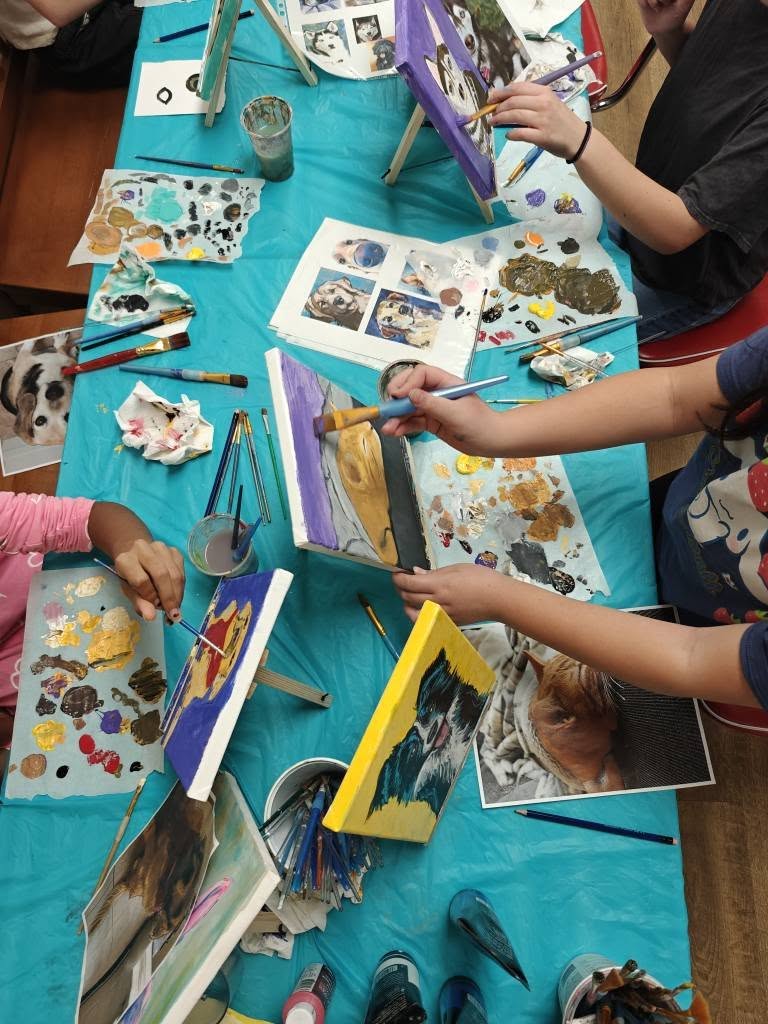
If your browsing history is filled with Pinterest, Instagram, or Etsy links, crafting can scratch that same itch. Knitting circles, paint nights, or pottery classes can give you some creative satisfaction without the algorithm deciding what you see next. You still get creative inspiration, but with the bonus of conversation, snacks, and even something tangible to take home.

Nostalgia Games Cafe

Move

If your screen time is about blowing off steam, physical outlets do that job better than a thousand angry tweets. Activities like paintball, rock climbing, swimming, hiking, pickleball, yoga, or walking with a friend can elevate both your heart rate and your mood. Movement helps regulate emotions, improves sleep, and burns off the restless energy that no app ever quite fixes.

Connect

If you grab your iPad to feel connected, social nights out can fill that cup way more effectively. Trivia nights, comedy shows, live music events, book clubs, and community classes offer low-pressure ways to socialize. You don’t need a clever caption. Just show up and be authentically you.

You’ll never return home from an outing saying, “Sure wish I’d stayed home alone with my laptop.”

Yes, Shopping Counts!

Pure Boutique

If online browsing is your go-to pastime, try making it an outing instead. Walkable areas give you the same “browse and discover” feeling, but with fresh air and human contact. Bronte Village and Downtown Oakville are perfect for wandering, with stops at local coffee shops and boutiques.

Grab an ice cream on the Burlington waterfront and take a walk on the pier, then explore the shops along historic Brant Street. A short GO Train trip into Toronto opens up places like Kensington Market, Chinatown, Queen West, and Queen’s Quay, all packed with character and people watching. Hamilton has its own gems too, with cool art districts, vintage shops, and markets worth exploring.

You’ll never return home from an outing saying, “Sure wish I’d stayed home alone with my laptop.”

Local Links to Off-Screen Fun 

The Mind People, Oakville
themindpeople.ca

Inye Yoga, Oakville
inyeyoga.com

Paintball Nation, Burlington
paintballnation.ca

Climber’s Rock, Burlington
climbersrock.com

Nostalgia Games Cafe, Burlington
nostalgiagamescafe.com

Game Time Social, Burlington
gametimesocial.ca

Creative Insight Pottery, Waterdown
creativeinsightpottery.com

Artfully You Paint Nights, Waterdown
artfullyyou.ca/paint-nights

Pottery N’ Paint, Burlington
potterynpaintcafe.com

Yuk Yuks Burlington
yukyuks.com/burlington

Club 54 Comedy, Burlington
club54.ca/comedy-at-club-54

Bronte Village, Oakville
bronte-village.ca

Oak Cafe Gallery, Oakville
oakcafe.ca

Peach Coffee Co., Aldershot, Roseland, Bronte
peachcoffeeco.com

BY LISA THORNBURY

Whether it’s your regular routine or your favourite gift to receive on Valentines Day, a visit to a salon or spa can truly elevate your look and mood. A professional haircut, mani-pedi or massage is more than a pleasant indulgence. Particularly in the deep freeze of winter, nine-to-fivers practically melt with relief when their feet submerge in warm saltwater. A hot blow-dryer blows troubles away. And after a battleground of traffic, snow and sleet, a lavender-scented steam room feels vital.

It takes special people to create a relaxing, soothing, and caring environment to put clients at ease and ensure a pleasant experience. Mind & Body Spa is a brand new facility in Burlington that offers a range of treatments, most notably head massages. The job is “not just about washing hair and doing massage,” says Manager Nancy Le. “It’s about giving good energy. You transfer your good energy to people and take their stress away.”

Halton region boasts a wealth of world-class salons and spas whose treatments relax, beautify, and invigorate. Don’t deprive yourself of these gifts from the wellness gods:

Manicure

Well-groomed nails are a small but important aspect of a person’s self image. Nails that look neat, clean and pretty are a great confidence boost… and that’s just the end result. The ritual of sitting still while someone nurtures your hands offers a healthy dose of relaxation and pampering. A good manicurist will also massage the hands, which improves circulation and flexibility, eases stiffness, and feels divine.

Pedicure

There’s something inherently soothing about foot-focused treatments. Our feet carry our full weight, day in and day out, so there’s tremendous pleasure in sitting in a massage chair, soaking your feet in warm water, and relaxing while the pedicurist exfoliates, clips, files, buffs, and applies polish.

A lovely foot massage with scented lotion is part of the experience. Writer’s note: I’m very ticklish and have to bite my lip during pedicures, but sometimes a loud giggle escapes. I’ve managed not to kick, so far…

A professional hairdo

Hair stylists don’t just cut hair. They listen, advise, and tailor a look that aligns with how a person wants to feel or be seen. Changing someone’s appearance is a delicate task. In fact, social anthropologist Grant McCracken compares hairstyling to “bomb disposal work” in his acclaimed book, Big Hair

Transformations happen in salons. A trim, blowout, or altogether new look can have a powerful impact on a client’s mood and self-confidence. There’s nothing quite like it, especially during periods of stress or transition.

Massage 

Massage is an immediate form of stress relief. It often features low lighting, the fragrance of essential oils, soothing music, and the gift of human touch. Even a single session can reduce muscle tension in the entire body, lower cortisol (the stress hormone), and promote better sleep. 

Head massage originated in Asia but is gaining momentum in Canada. It involves a deluxe hair wash, scalp massage, and the massage extends to the face, neck, shoulders and neck. “Honestly, most people fall asleep,” says Jesus Rojas, Owner of Mind & Body Spa. “It’s our top service for relaxation.”

Facial

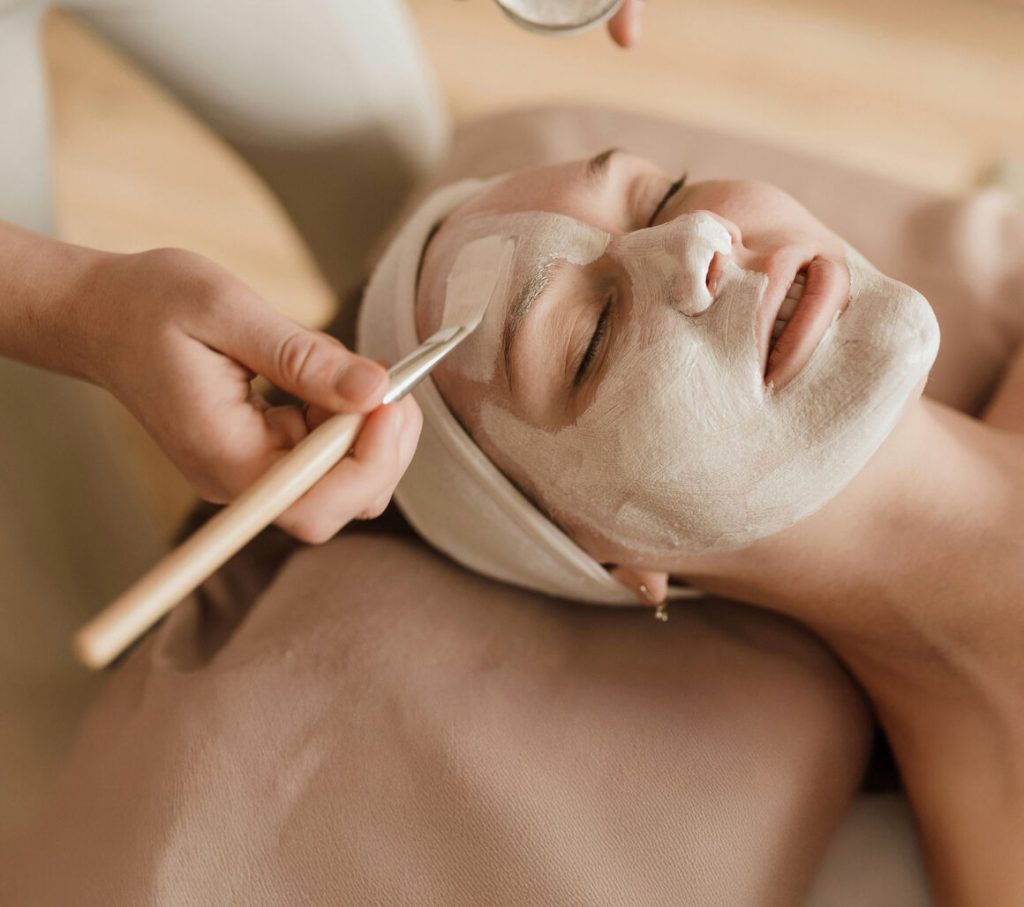
A facial involves gentle cleansing, exfoliation, and facial massage to increase circulation and support skin health. Aside from a healthy glow, this treatment delivers big psychological perks. Being cared for in a calm, sensory-rich environment provides an emotional reset that can boost feelings of self-worth. Everyone needs a little nurturing, though we don’t always realize we’re missing it until it happens. 

Treating your body like a precious object is worth every penny, because the benefits radiate to your entire well-being. In the words of Le, “Leave your troubles at the door and let us take care of your soul.”

By Michelle Morra

I first felt the weight of Seasonal Affective Disorder (SAD) on my twentieth birthday. A January birthday already comes with “Blue Monday” energy, and when you add an Ontario winter, celebrating was the last thing on my mind. But once I discovered that what I was feeling had a name and practical ways to manage it, I finally started to see a little light at the end of this SAD tunnel.

SAD, in plain terms, is a mood dip that shows up in the darker months for some people. You might feel low energy, crave carbs, avoid plans, or just feel like an unmotivated, sad slug. The good news is there are expert backed strategies that can ease symptoms and help you enjoy a cozier winter instead of just surviving it.

Light up your life

Natural sunlight is more important than you might expect. I noticed a huge difference in my symptoms just by moving my desk from a dark basement corner to a room upstairs next to a sunny window. Getting outside within the first few hours of waking up, even for ten minutes, can make a real difference. If that’s not realistic because… winter, a light therapy lamp is the next best thing. The sweet spot is around 10,000 lux for about twenty to thirty minutes in the morning. You don’t stare into it (it’s not an eye exam). Just plunk it beside you while you eat breakfast or scroll through messages. If you start using it early in the fall, you might lessen symptoms before they fully hit.

Tammy Sherwood, owner of Thrive Massage Therapy and Wellness, says that touch helps the body feel grounded and connected during the darker months. Physical contact, whether it’s massage, therapeutic touch, or even a warm hug, can boost oxytocin and lower stress hormones. That combo can lift your mood and reduce isolation.

Talk therapy is also beneficial. It gives you a safe space to unpack the emotional weight that comes with SAD so you feel understood instead of overwhelmed. Sherwood says her team often uses cognitive behavioural strategies to challenge unhelpful thoughts, mindfulness to manage stress, behavioural activation to rebuild routines, and grounding techniques to calm the nervous system.

While it’s important to check in with your family doctor to rule out anything medical, combining human connection with practical skills can make these months feel much more manageable.

You’ve got this

When seasonal affective disorder symptoms are at their worst, exercise can feel daunting. Still, even light movement, such as a brisk walk outdoors, using a walking pad indoors, or climbing stairs, can help improve mood, says Dr. Jane Shou, naturopathic doctor at Pillars of Wellness.

Consistent sleep is also important. Dr. Shou recommends keeping regular bedtimes and wake times, limiting long afternoon naps, and maintaining some level of social connection, noting that even brief interactions can support emotional wellbeing.

Consistent sleep is also important. Dr. Shou recommends keeping regular bedtimes and wake times, limiting long afternoon naps, and maintaining some level of social connection, noting that even brief interactions can support emotional wellbeing.

“Vitamin D is another key factor, particularly in northern climates where deficiency is common in winter,” Shou says. “Supplement needs vary by individual, so it’s important to speak with a healthcare provider about appropriate dosing. From a nutrition standpoint, balanced meals matter. While carbohydrate cravings are common, too much sugar can negatively affect energy and mood.”

Creating a snuggly space can bring you actual joy. Heard of Hygge (hoo-gah)? It’s my family’s new “thing.” It’s basically the art of getting cozy and feeling good by enjoying simple things like warm lighting, comforting snacks, good friends, and chill vibes. It’s about slowing down, being present, and making ordinary moments feel soothing. 

Of course, if your symptoms get heavy or nothing seems to help, reach out to a medical professional right away.

Once I figured out what worked for me, everything shifted. My January birthday actually became a party again! Try a few of these ideas and see what works for you.  

By Lisa Thornbury

Local Links:

Pillars of Wellness
100 Plains Rd W # 16, Burlington
pillarsofwellness.ca

Thrive Massage Therapy & Wellness
2289 Fairview St Unit #318, Burlington
thrivemassagewellness.com

Mind and Body Spa
Mindbodyspa.ca 
760 Brant St Unit 47, Burlington

We’ve all heard the phrase “I’ll sleep when I’m dead.” But the truth? Skipping out on quality rest could speed that up. Sleep isn’t a luxury; it’s one of the most powerful tools we have for better health and happiness.

Think of sleep as your body’s overnight repair shop. During those precious hours, your brain sorts memories, your muscles rebuild, and your immune system recharges. That’s why even a single restless night can leave you groggy, moody, and craving every sugary snack in sight.

So how can we reclaim deep, restorative rest?

First, set the stage. Create a calming bedtime routine, dim the lights, silence notifications, and swap screens for something soothing like gentle stretches, journaling, or a good book. Your body will quickly start to recognize these cues as signals that it’s time to wind down.

Next, pay attention to your sleep environment. A cool, quiet, and dark room works wonders. If outside noise is a problem, try using a sound machine or a calming playlist. Even small changes, like switching to breathable sheets or adding blackout curtains, can make a surprising difference.

And here’s a game-changer: stick to a sleep schedule, even on weekends. It may feel tempting to stay up late or sleep in, but consistency helps train your body’s internal clock, making it easier to fall (and stay) asleep.

Finally, consider this: your daytime choices matter too. Caffeine after 2 p.m., heavy evening meals, or endless scrolling before bed can all sabotage your rest. Instead, try winding down with herbal tea, a short walk after dinner, or gentle meditation.

The best part? Prioritizing sleep isn’t just about avoiding crankiness; it’s about boosting focus, mood, and long-term health. Think of it as free medicine, available every single night.

Tonight, instead of pushing through one more episode or email, give yourself permission to recharge. A good night’s sleep isn’t just rest, it’s renewal.

Article provided by Laurent Pinci

Managing Director/Co-owner & Founder of Pillars of Wellness

100 Plains Rd W # 16, Burlington, ON L7T 0A5

(905) 637-4000

Let’s be honest, we’ve all felt overwhelmed lately. Between work demands, family life, and endless scrolls through social media, maintaining our well-being can feel like chasing a moving target. But here’s the comforting truth: wellness doesn’t have to be complicated. A few small shifts in everyday habits can make a big difference.

First off, move your body, joyfully. You don’t need a fancy gym membership or strict workout plan. A brisk walk through a park, a gentle morning yoga stretch, or a dance-along to your favourite playlist can boost your mood, ease tension, and energize your day. Keep it light and fun.

Next up, press pause on stress with micro-moments. When things pile up, inhale deeply for a count of four. Exhale for six. Repeat three times. It’s almost ridiculously simple, but you’d be surprised at how grounded you feel afterward. Think of it as a mini reset button for your nervous system.

Let’s talk about nutrition that nourishes, not overwhelms. Skip the pressure of “perfect plates.” Instead, add one nourishing element: a handful of greens in a smoothie, a sliced avocado on your toast, or a bowl of fragrant soup for lunch. Small, delicious changes like these keep your body supported without feeling restrictive.

Lastly, prioritize real connection. Share coffee with a friend, take a moment to laugh with a family member, or just call someone you trust. Social connection is powerful medicine for stress, especially when life feels hectic.

Wellness doesn’t require dramatic leaps, it’s built in the everyday, joyful choices we make. Today, invite one small, caring act for yourself into your routine. Your body, your mind, and your spirit will thank you for it.

Article provided by Laurent Pinci

Managing Director/Co-owner & Founder of Pillars of Wellness

100 Plains Rd W # 16, Burlington, ON L7T 0A5

(905) 637-4000

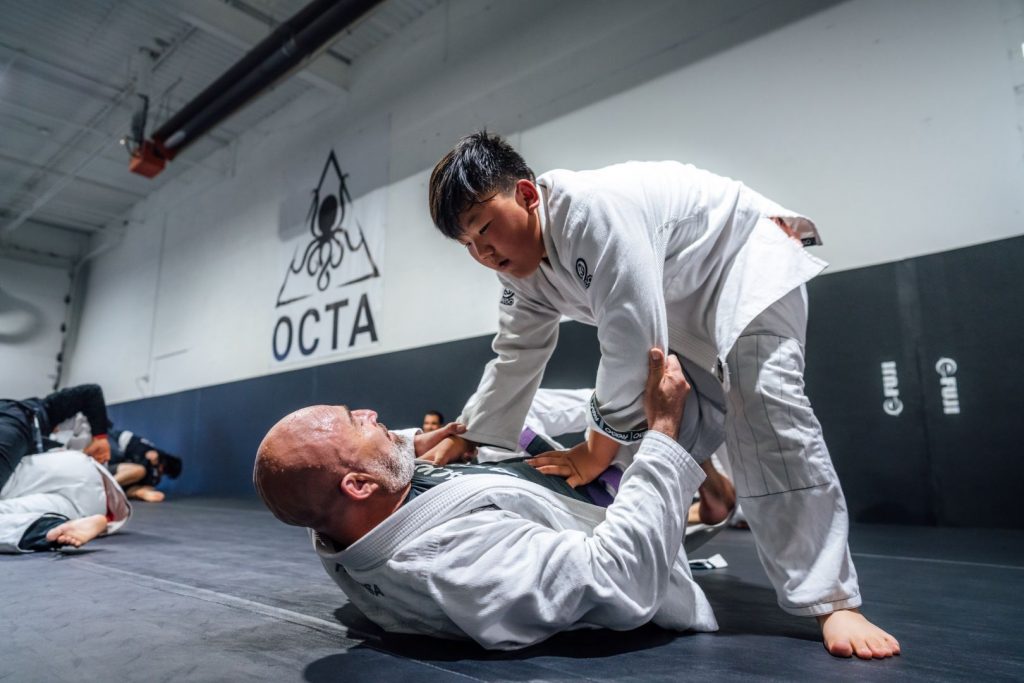
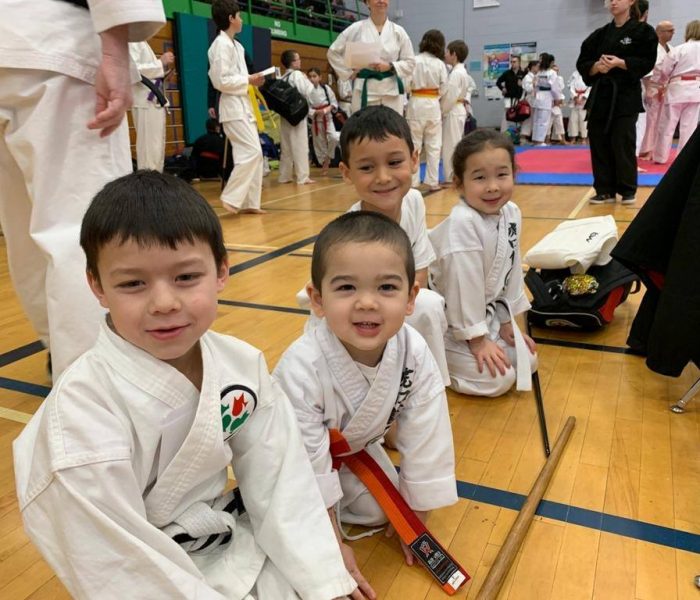
If your only exposure to martial arts involves binge-watching Cobra Kai, you’re not alone. Thanks to Hollywood, martial arts have long been associated with crane kicks on the Kickstart A Kid’s beach and dramatic showdowns. But behind the action-packed scenes is something much more valuable, especially for kids.

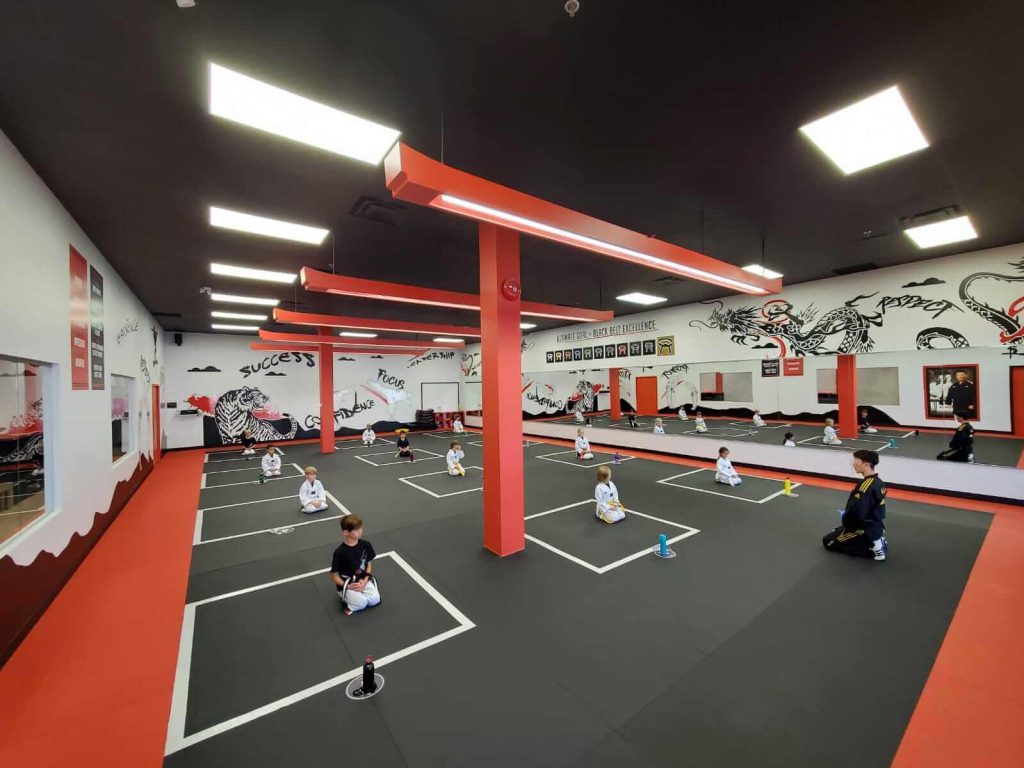
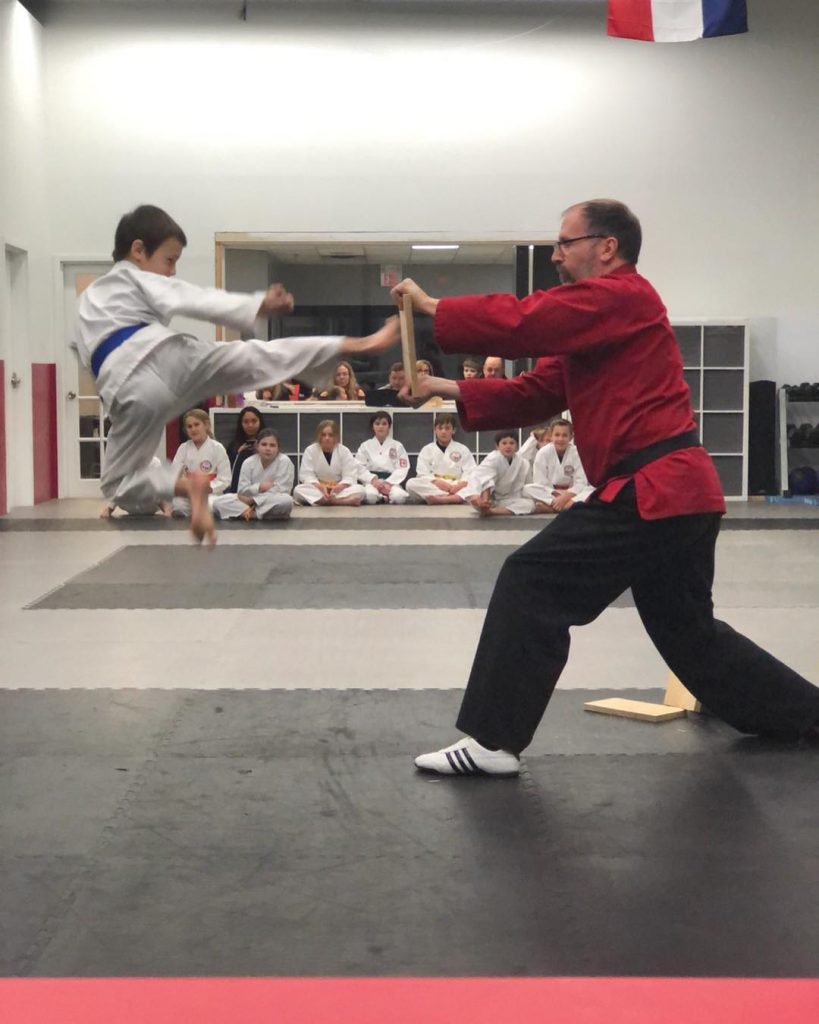
Martial arts teach skills that go far beyond the dojo. From jujitsu to karate, taekwondo to kickboxing, each style offers its own blend of physical fitness, discipline, and self-defence.

My daughter recently started training in jujitsu, and it has been a game changer. Not only have her strength and coordination improved, the boost in her confidence is obvious.

I spoke with her coach, Jody Barron at Urban Jujitsu, who shared why jujitsu is so rewarding for kids. “Jujitsu is all about using technique and strategy over strength,” he explained. “It helps kids learn to control their bodies, manage stress, and solve problems under pressure using leverage, misdirection, and creativity.

“Jujitsu is often described as chess on a mat. One of the biggest benefits is confidence. Students see themselves differently when they learn they can hold their own, even against larger opponents. Martial arts let students discover their own pace, unlike team sports where the focus is often on winning.”

“Each student progresses differently,” coach Jody said. “Some begin shy and unsure, but they soon start to speak up more, help others, and show pride in their progress. And this pride extends to everyone. A few weeks ago, some students and I coaxed a student named Natalie to try a technique she thought she couldn’t do. The cheer in the academy when she nailed it was deafening!”

Martial arts also encourage respect, focus, and community, all rooted in the tradition of learning to fight for those who can’t fight for themselves. “We work hard to create a safe, inclusive environment where kids support one another, while having a blast,” coach Jody added

From a parent’s perspective, martial arts is a real workout (just ask my daughter, who leaves every class sweaty and smiling). The beauty is that kids build strength, stamina, and flexibility without it ever feeling like a chore. And knowing they’re learning real self-defence adds peace of mind.


Students see themselves differently when they learn they can hold their own, even against larger opponents. Martial arts let students discover their own pace, unlike team sports where the focus is often on winning. JODY BARRON, URBAN JUJITSU

Different martial arts offer different experiences, Your Voice. so choosing the right fit depends on your child’s personality and goals. Karate and taekwondo focus on striking—punches, kicks, and choreographed patterns that boost coordination, discipline, and focus. Jujitsu and judo are grappling-based, teaching throws, holds, and ground control — great for kids who enjoy problem-solving and close-contact movement.

Kickboxing combines punches and kicks in fast-paced combos, offering a cardio-heavy workout that builds stamina and strength. Kung fu blends striking, agility, and traditional forms with a flowing, almost dance-like quality that may appeal to creative kids. Each style has its own rhythm and philosophy, so trying a class or two is the best way to find the right match.

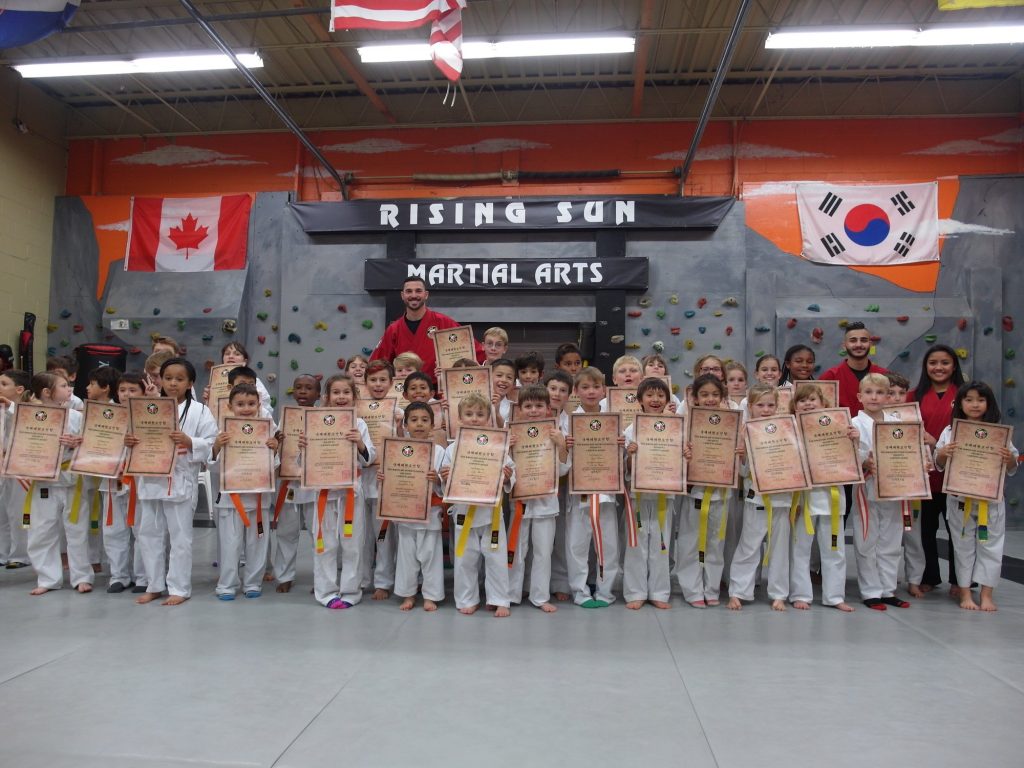
Our community is home to many excellent martial arts schools, most offering trial classes to help you kick things off (literally). So why not give it a shot? Whether your child has energy to burn, needs help with focus, or just wants a fun new way to build confidence, strength, and discipline, martial arts could be the perfect fit.

Local Links

OCTA Brazilian Jujitsu, Oakville
octabjj.com

Urban Jiu-jitsu Canada, Oakville
urbanjiu-jitsucanada.com

OMAC Martial Arts
Several locations in
Oakville, Burlington, and Waterdown
omacmartialarts.ca

Rising Sun Martial Arts
1304 Speers Road, Oakville
risingsunoakville.ca

Toraguchi Martial Arts
785 Pacific Road Unit 15, Oakville
gojubudo.com

Burlington Academy of Martial Arts
3295 Mainway #4, Burlington
bamabjj.com

NextGen Martial Arts
4361 Harvester Rd #1, Burlington
nextgenmartialarts.ca

Black Belt World
4031 Fairview Street, Burlington
taekwondo.ca/burlington-taekwondo-school

BY LISA THORNBURY

Returning to school after summer break can be exciting for kids who’ve looked forward to starting a new grade and reconnecting with friends. But for many, a new school year brings uncertainty and anxiety. Questions like “Will the teacher like me?” or “What if I can’t handle Grade 11 math?” can make the first weeks feel overwhelming.

Parents aren’t immune to back-to-school stress, either. They may worry about their child’s social acceptance, whether teachers will be supportive, or whether mental health needs will be noticed and addressed. Some parents also find themselves doubting their own ability to guide their child through whatever lies ahead.

“Children are more resilient than we give them credit for — and parents, you are doing more than enough just by showing up and staying connected,” says Stefanie Peachey of Peachey Counselling and Family Support. “There will be hard days, but also joyful ones.”

HOW MUCH INVOLVEMENT IS OKAY?

If a child is anxious, should parents step in at every turn, or encourage independence? “Young children benefit from hands-on support, while teens need space to build autonomy,” Peachey says. “Overinvolvement — micromanaging friendships, hovering over homework, or intervening too quickly — can unintentionally signal that a child isn’t capable of handling things on their own.”

Cory Bentley, Registered Psychotherapist at Canoe Therapy, sees many parents swinging between extremes. Some, she says, over- identify with the child’s anxiety and try to talk about it too much. “Other parents take the ‘old school’ approach and expect kids to ‘just get on with it.’ Neither is helpful.”

The middle ground is where parents tune in to their child’s emotions while showing confidence in their ability to handle stress.

Parents should also resist getting overly involved in school operations. “Build a respectful relationship with teachers,” Peachey advises. “Communicate proactively. Attend meetings to stay informed — not to control. And if issues come up, request a meeting instead of firing off an emotional email.”

PEACE OF MIND STARTS AT HOME

Strong parent-child connections help buffer stress. “Connection builds over time and in small moments — meaningful conversations, touch, play, and shared activity,” says Julia Verbitsky, Therapist and Family Mediator at Live Well Counselling. Modelling healthy habits like sleep, nutrition, movement, and emotional regulation also goes a long way.

Peachey recommends calming routines — consistent bedtimes, quiet reading, or mindfulness — and reconnecting emotionally at the end of the day to help kids process their day.

SCHOOL SHOULD BE FUN

Bentley encourages parents to prioritize attitude over achievement. In other words, avoid overemphasizing grades, especially in elementary school. “The number one goal from JK through to early high school is for kids to like school,” she says.

Kids who enjoy school are more likely to stay engaged. When school stops being fun, motivation tends to disappear.

And remember, School is about much more than academics. “Kids are learning how to be a good friend, how to deal with ‘mean teachers’ (preparation for tough bosses later), how to play team sports, speak in front of a group — in short, how to function in the world,” Bentley says. “Grades are secondary to all of these incredibly important life skills.”

CONSIDER REACHING OUT

Parents, you are not alone. If a child becomes withdrawn, displays prolonged low mood, struggles with schoolwork, or engages in self-harming behaviour, mental health professionals can offer tools and guidance for both the child and family.

There’s no perfect formula, and that’s okay. “By offering compassion, staying curious, and being flexible about what your child needs, families can experience less stress and more joy,” Verbitsky says.

Peachey agrees: “The goal isn’t perfection — it’s progress. Trust your instincts, be kind to yourselves, and take each day one step at a time. A fresh start is a powerful thing.”

Tips For A Calmer Back To School:

  1.  Keep your own story separate. Try not to project your own school experiences onto your child. Your past may influence your emotional reactions — but your child’s journey is their own.
  2. Know the signs of stress. Watch for irritability, clinginess, withdrawal, sleep changes, or frequent headaches or stomach aches with no medical cause.
  3. Talk without pressure. Instead of asking “How was school?”, try open-ended or specific prompts like, “What was something funny or surprising today?” Keep it casual. Short chats during meals, walks, or car rides often work best.
  4. Normalize nervousness. It’s okay for kids to feel unsure. Say things like, “It’s normal to be a bit nervous. Lots of kids feel this way at the start of the year.”
  5. Model healthy coping. Let your child see how you handle stress — whether it’s through a walk, deep breathing, or saying, “I’m feeling overwhelmed, so I’m going to take a short break.” These moments teach more than lectures ever could.

LOCAL LINKS:

Canoe Therapy
515 Dundas Street West, Oakville
canoetherapy.ca

Live Well Counselling
250 Dundas Street East, Waterdown
livewellsocialwork.com

Peachey Counselling and Family Support
414 Pearl Street #11, Burlington
peacheycounselling.ca

BY MICHELLE MORRA

When I was a kid, a sunny day meant slathering on anything that smelled like coconut and grabbing a popsicle if you started to sizzle. Sunscreen was optional and sun hats were for grandparents. Now we understand that keeping our kids sun-safe isn’t optional.

Babies, toddlers, and children have delicate skin that’s highly susceptible to sun damage. One bad sunburn in childhood can increase the risk of skin cancer later in life, not to mention peeling noses and blistered shoulders. But sun safety doesn’t have to mean hiding indoors all summer long. It just means being smart about protection.

The power of fabric

One of the easiest and most stylish forms of sun safety is a good hat. Wide-brimmed hats protect not only the scalp but also the face, neck, and ears. Look for hats with adjustable straps or chin ties so they stay put during breezy beach days. Bucket hats are great for toddlers who like to move, and legionnaire- style caps with a flap down the back are perfect for babies in carriers or strollers.

Then there’s SPF clothing, which is essentially “fabric sunscreen” that you don’t have to reapply. Many swim shirts and sun suits now come with a UPF (Ultraviolet Protection Factor) rating. A UPF of 50, for example, blocks out 98% of the sun’s rays. Look for lightweight, breathable materials and longer coverage.

Choose safe sunscreen

Sun Baby

“When it comes to sunscreen, the best kind is the one your child will tolerate, and the one you can get on them before they flee!” says Asma Mohani, Pharmacist at Mountainside Pharmacy. “Look for mineral-based sunscreens with zinc oxide or titanium dioxide. They sit on top of the skin and physically block UV rays. These are generally less irritating for sensitive skin.”

Mohani recommends a broad-spectrum UVA and UVB protection with at least SPF 30- Though sunscreens in Canada are regulated, many parents are understandably choosy about ingredients, opting for more natural formulas found in brands like Think Baby, Green Beaver, and ATTITUDE Sunly for Kids. Avoid sunscreens that contain oxybenzone, octinoxate, parabens and heavy fragrances.

And if your child’s a wriggler,” Mohani adds, “a stick or spray can make application easier. Rub it in well and avoid inhalation with sprays. There’s no such thing as ‘waterproof or sweatproof’ sunscreen so reapply every two hours or after swimming or sweating. And don’t forget those sneaky burn zones like the tops of feet, ears, and the hair part line.”

Protect those precious peepers

Sunglasses

A good pair of sunglasses isn’t just a sweet summer accessory — it’s a necessity. Children’s eyes are still developing and are vulnerable to UV damage; about 50% of UV exposure happens before age 18. Prolonged exposure to sunlight over the years can increase the risk of cataracts and other vision problems. It also increases the risk of skin cancers around the eyes (where it’s hard to apply sunscreen).

“Look for sunglasses that block 100% of UVA and UVB rays and fit snugly on your child’s face without slipping,” says Juliusz Gorecki, optometrist at Waterdown Optometric Clinic.

“Wraparound styles offer the most coverage, and soft, flexible frames are best for active kids. The earlier you get them used to wearing shades, the more likely they are to keep them on. Opt for sunglasses with a strap that keeps them in place.”

A few final sun safe tips

Baby in the sun
  • Babies under six months should stay out of direct sunlight altogether. Opt for shaded spots, stroller canopies, and light, breathable clothing.
  • Avoid peak sun hours between 10 am and 4 pm when UV rays are strongest.
  • Hydrate! Kids are more prone to overheating, especially when they’re running around under the sun.

Local Links:

MOUNTAINSIDE PHARMACY
BURLINGTON
mountainsidepharmacy.com

SIMPLY GREEN BABY
OAKVILLE
simplygreenbaby.com

SNUGGLE BUGZ
BURLINGTON
snugglebugz.ca

WATERDOWN
OPTOMETRIC CLINIC
waterdownoptometric.ca

By Lisa Thornbury