

Category

Health & Wellness

Category

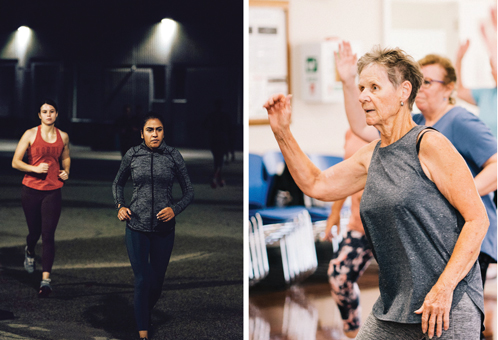
My weekly Zumba classes are overflowing with women of all ages (and one brave guy) all speeding towards our individual health goals. Personally, I’m there to get in the zone and sweat through an intense cardio workout. Time flies as we salsa, merengue and even tango to fabulous music while getting our heart rates up.

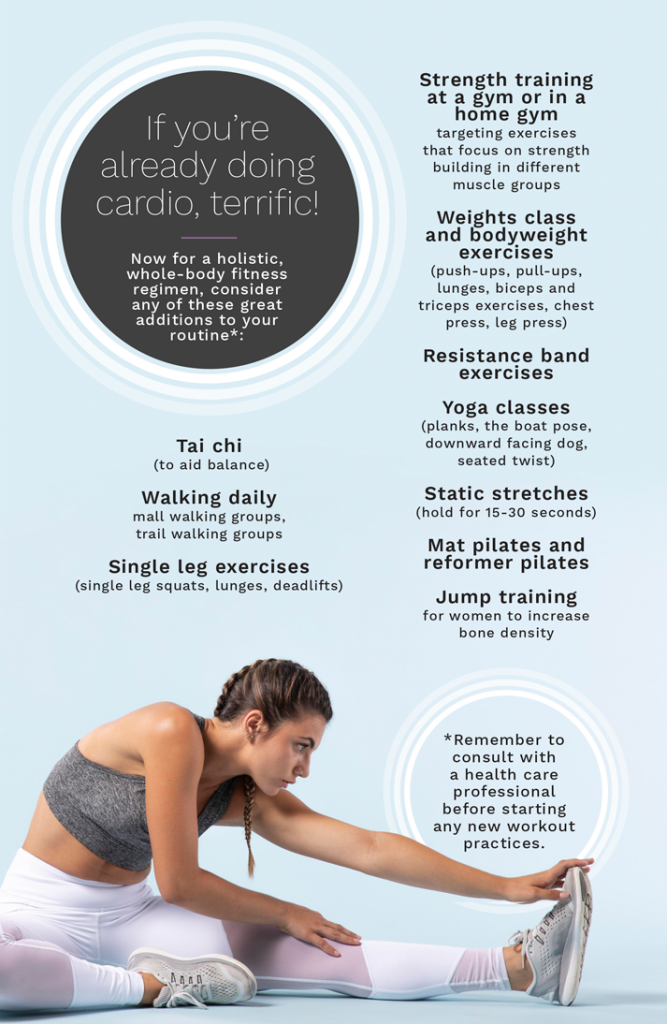
The physical benefits of an intense cardio workout include heart health, increased stamina, and weight maintenance, but fitness isn’t just about cardio. Other, often neglected forms of movement are equally crucial. 

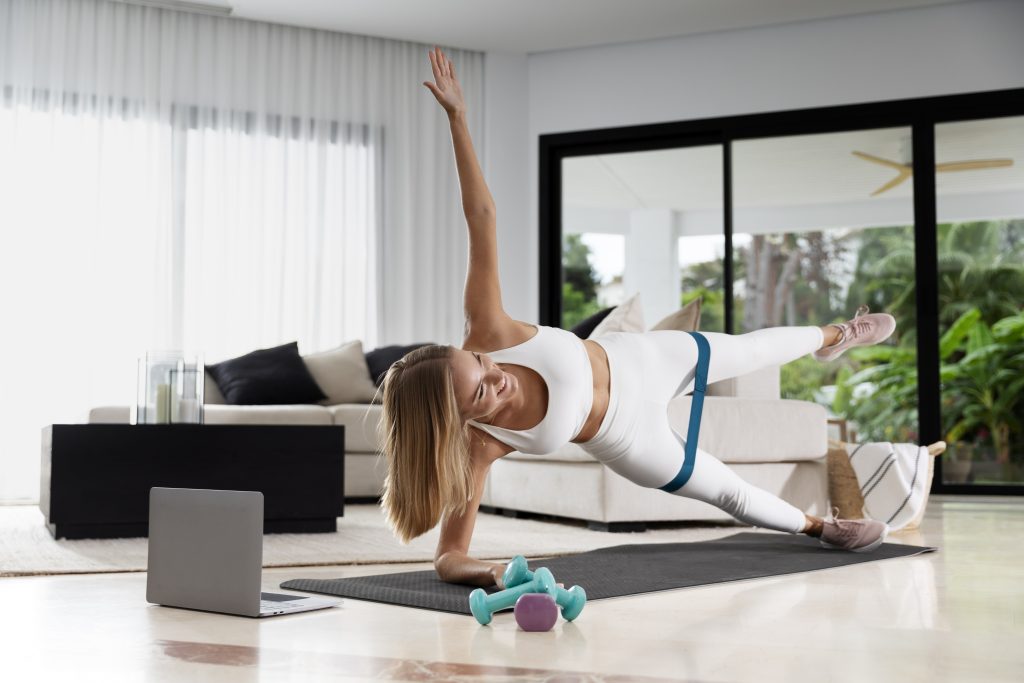
With every passing year our bodies change. Everyone needs exercises that increase our flexibility, balance, strength and overall physical fitness, especially if we lead a sedentary lifestyle. Sitting at a desk all day impacts flexibility… and “texting neck” is a real thing!

Jennifer Luckanuck, a physiotherapist in self-practice and at Burlington Sports and Spine Clinic understands the benefits of supplementing cardio workouts with exercises that work on these areas. She specializes in myofascial relief, helping clients to release tension in the fascia, the connective tissue surrounding nerves, organs, and muscles, ultimately helping to improve movement, aid in flexibility and end pain. New research about the fascia indicates that it runs deep in our cells, surrounding our nerves and blood vessels, and even compromising parts of our bones. 

“It’s key to supplement our cardio exercise routines with strength (core power and balance) and flexibility because after 40 we lose about 1% of our muscle size, and we can lose 3-5% of our power if we aren’t doing any resistance training,” Luckanuck says. “If we don’t do strength training, that muscle decline puts us at risk for falls and overall reduced mobility. From ages 20 to 49 our flexibility starts to decline by 10% each decade, which affects our joints and how we move.”

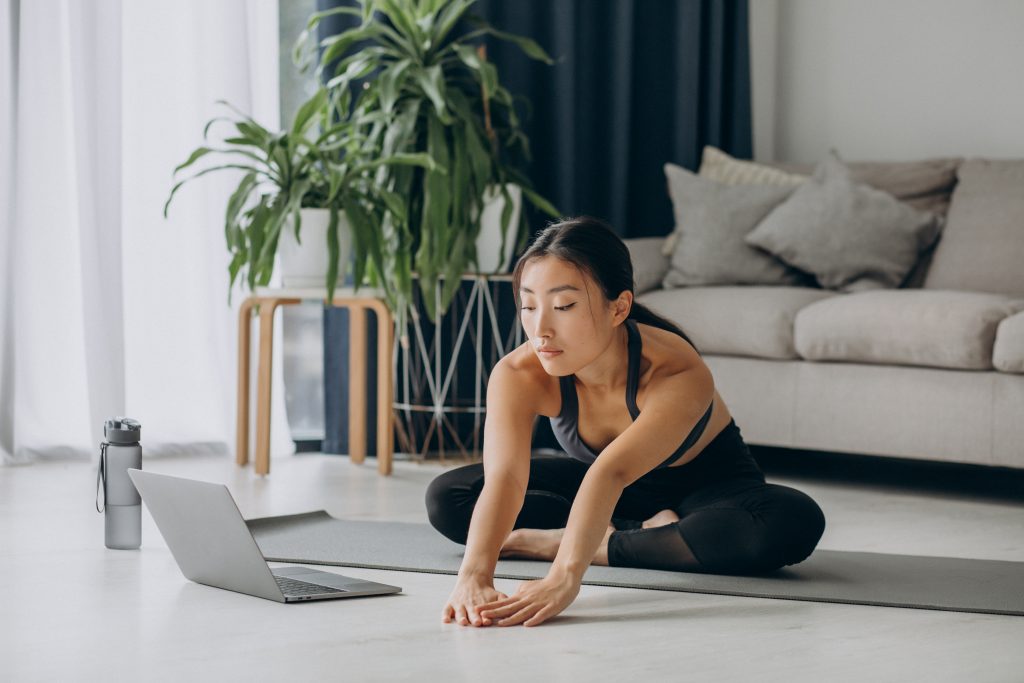
A dedicated flexibility or stretching routine can improve our range of motion. As we age, maintaining balance and stability is key to preventing falls.  

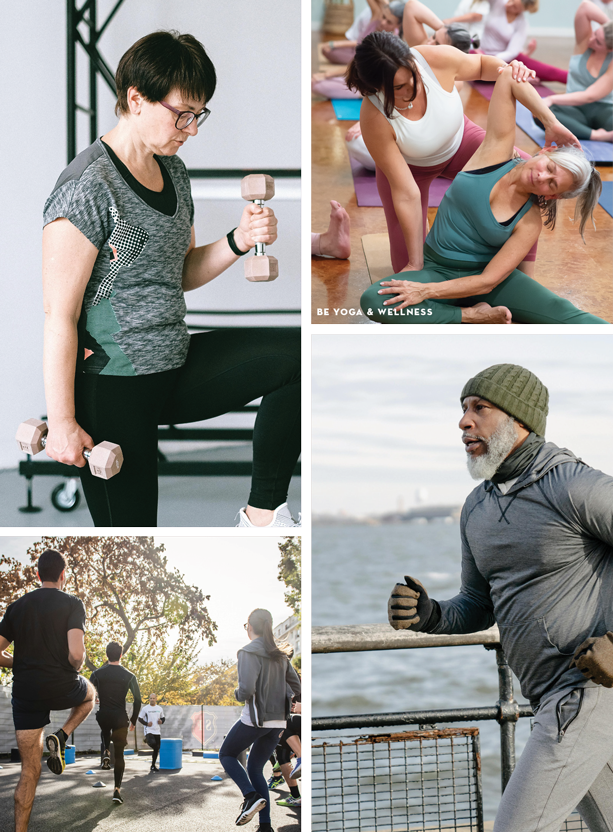
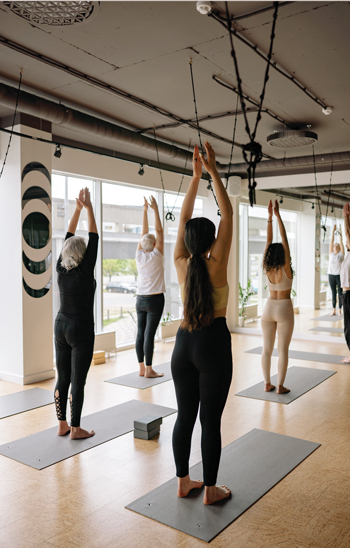
Yoga is a practice used by many to increase flexibility, become more mindful of how the body is feeling, and calm the mind. According to Monica Angelatos, owner of Be Yoga & Wellness in Burlington, a yoga or pilates class is a gentle way to temper the frenetic cardio workouts many of us engage in. There are proven benefits to slowing down, breathing, and being mindful. 

Often cardio and high energy workouts produce a fight or flight effect in our bodies, taxing our systems, and often defeating the purpose of the workout. The “blissed out” effect that yoga aficionados report is the opposite of this feeling. 

“You want to do exercises that are hitting core strength, because the core is everything,” Angelatos says. “When you have a strong core, you have a strong body.”

Yoga promotes postures that lengthen the body and improve range of motion, balance, and core stabilization. These are all things you can work on and regain, according to Angelatos.

Adding a new activity once a week is a great place to start, and many gyms or studios offer a free introductory class. Remember to have fun with all of your fitness activities. Keep moving and learning! 

LOCAL LINKS

Be Yoga & Wellness Burlington
beyogawellness.com

Burlington Sports and Spine Clinic
burlingtonsportsandspine.com

Fit For Life Physiotherapy
Burlington
fitforlifephysio.ca

Jennifer Luckanuck Physiotherapy
jluckanuck@gmail.com

Live Well Exercise Clinic Oakville
livewellclinic.ca

Jazzercise Oakville
jazzercise.com

Ah, January. The month where social media feeds are flooded with ads for the latest miracle diets promising to help us drop five sizes by spring. From keto to the classic cabbage soup diet, the allure of quick fixes is undeniable. But are these diets a path to lasting health?

Fad diets are nothing new. Every few years, a trendy new one takes the spotlight. The keto diet touts its carb-cutting magic for rapid weight loss, while intermittent fasting champions the benefits of time-restricted eating. Calorie-counting apps promise precision but sometimes feel like a chore. Even old-school low-fat diets occasionally rear their heads, despite decades of evolving science.

Each has its fans, but are these diets actually healthy and sustainable? To find out, we spoke with a registered dietitian who helped us separate fact from fiction. Norine Khalil, Co-Founder of One Elephant Integrative Health Team and Lifeberry, offers this simple litmus test: “Can you maintain this for at least three to six months?” If the answer is no, it’s likely not sustainable.

Khalil suggests focusing on what to add to your diet instead of what to remove. Here are her top tips:

Any diet that makes sweeping promises or cuts out entire food groups raises some serious red flags.

HEALTHY EATING HABITS

Focus on plants. Most fad diets will have this one in common, for good reason. Plants are a key source of vitamins, minerals and fibre, all of which are integral to optimizing health and weight. Incorporate a variety of colours and aim to fill 50% of your plate with plants for at least two
meals a day.

Protein. Protein helps regulate blood sugar (which can have a direct impact on weight management), keeps you feeling full, and supports muscle mass. Include a variety of lean and/or plant-based proteins like fish, chicken, turkey, tofu, edamame, or eggs. Have protein at each meal and snack and watch your energy begin to stabilize.

Choose your carbohydrates wisely. Carbohydrates are not the enemy. They are complicated, in a good way. You want complex carbohydrates in your diet, ideally within the hours of your day where your brain and body need them most (hint: this usually isn’t in the evenings). Choose options like brown rice, quinoa, oats, legumes, or sweet potato to ensure adequate fibre intake and steady blood sugar. (Author’s full disclosure: I wrote most of this article with one hand in a bag of sour cream and onion ripple chips. Pretty sure these are not the carbs Norine had in mind…)

ALL THE RIGHT MOVES

Moving your body is another important piece of the puzzle. Certified nutrition coach Lindsay Mundy emphasizes that movement isn’t just about burning calories – it’s about building fitness habits that support overall health and longevity.

Before diving into the latest trend, ask yourself: What am I really looking for?

Weight loss? More energy? Improved health? All of the above? Defining your goals can steer you toward lasting changes instead of fleeting, restrictive plans.

“While getting your heart pumping is important, strength training is a game-changer,” says Mundy. “It builds muscle, boosts metabolism, and supports fat burning, even at rest. As we age, hormonal shifts mean our body’s ability to maintain lean mass decreases. It’s so important to actively work to hold onto and build muscle mass so that we can live a more independent and active lifestyle in our later years.” She recommends strength training weekly, walking every day, and incorporating activities you enjoy, such as dancing or yoga to keep things interesting. “If it’s fun, you’re more likely to get off the couch and do it.”

It’s easy to chase the idea of a “perfect” plan, but life rarely goes according to script. Instead, focus on finding what works for you and aim for consistency. At the same time, give yourself grace– skipping a workout here and there or enjoying a treat doesn’t mean you’ve “failed.” Sometimes life offers us potato chips. So, eat the chips. Just maybe not the whole bag.

Instead of chasing that “unicorn” diet, focus on building nutrition habits that work for you. Pair that with regular movement, and you’re well on your way to a healthier, happier you.

By Lisa Thornbury

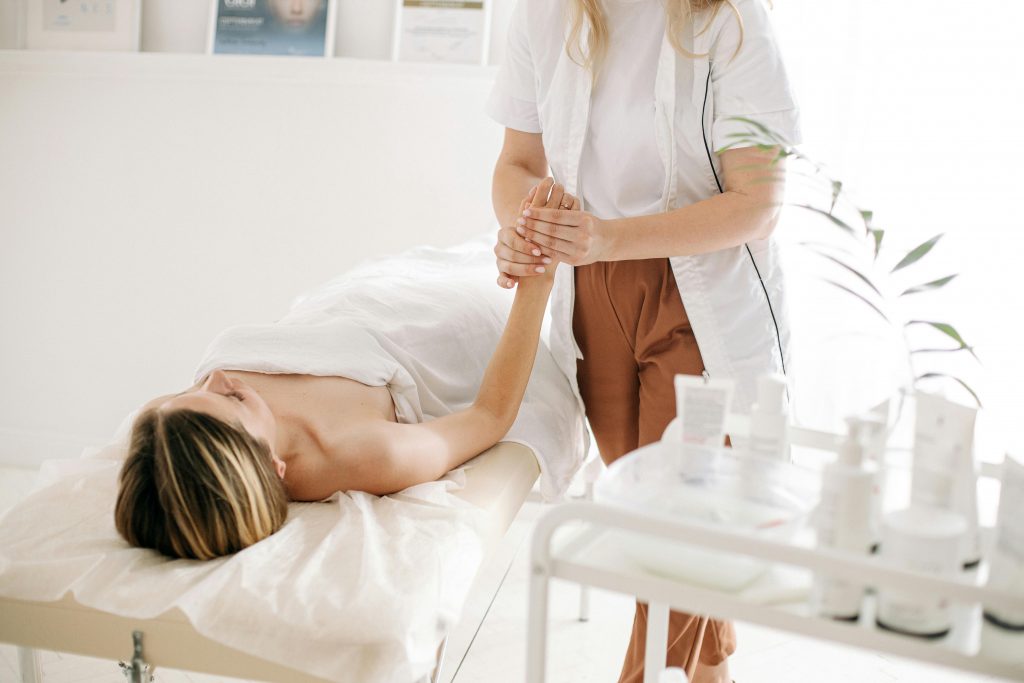
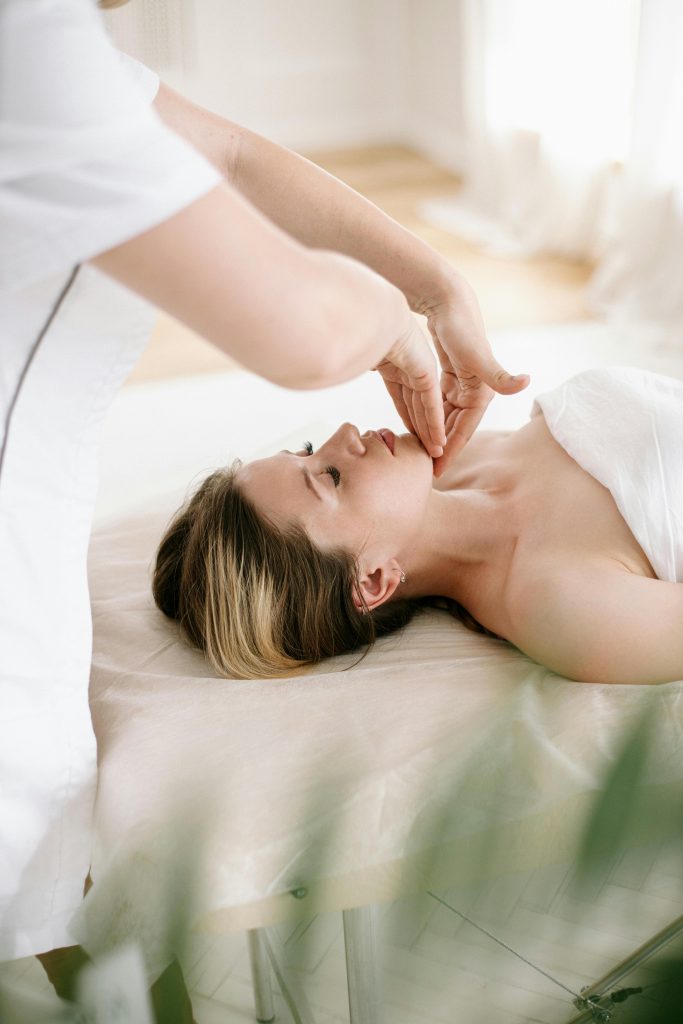
Developing a regular wellness routine is more important than ever. When you’re mapping out your journey, remember to include massage therapy as a holistic way to optimize your health. Massage is a well-known healing practice that promotes relaxation and recovery. Whether you’re looking to treat a chronic injury, release pain, or manage everyday stress, as the saying goes, ‘massage is knot a want, it’s a knead’! 

Vitally Soothing

A massage is typically a 30, 60 or 90 minute dose of calmness you wouldn’t otherwise experience in your day. During your appointment, you can escape responsibilities and screen time by concentrating on what’s happening at that very moment. A massage is commonly known to boost your mood, help you find mental clarity, increase confidence and reduce stress by using the body’s natural endorphins.

“Massage is a widely sought treatment for effectively addressing a range of conditions,” says Heather Buckle, Managing Partner at Zenbar Healing Studio. “It’s beneficial for managing musculoskeletal issues such as chronic pain, muscle tension, and joint stiffness by promoting circulation, improving flexibility, and reducing inflammation.” 

Massage therapy is for everyone,” says Tammy Sherwood, Registered Massage Therapist (RMT) and owner of Thrive Massage Therapy and Wellness. “From infants to seniors, everyone can benefit. Massage can be a useful addition to a proactive wellness plan as there are so many options for modalities within the scope of massage and many RMTs have additional certifications to help address your goals and keep you moving.” 

For thousands of years, massage therapists have supported health and provided relief. “Incorporating regular massage appointments into your life will add a deeper understanding of your body and help you learn how to carry forward the benefits into your daily routine,” says Rebecca Wasilewski, RMT, RYT, and owner of OM Massage and Wellness. 

Tips for first timers

The best way to discover what type of massage will benefit you the most is to speak with a professional. “Each therapist has unique strengths and expertise,” says Buckle. “Finding the right match for your preferences – whether you like deep tissue, lymphatic drainage, Swedish massage, or a combination, is the key to a successful experience.” 

Communication with scheduling staff is important as is explaining your preferences, injuries, or conditions to your therapist. “Ensure your client intake forms are fully completed and prepare for an assessment before your treatment,” says Sherwood. “Ask as many questions as you want before consenting to treatment. This is your time. It can be a mindful, quiet treatment, or you can chat away! The number one priority is always your comfort level.” 

What Is A Registered Massage Therapist (RMT?)

According to the College of Massage Therapists of Ontario, only individuals registered with them are permitted to use the titles and associated letters MT (Massage Therapist) and RMT with their names. 

An RMT is capable of offering deep tissue massage and can navigate best practices for treating injuries and conditions,” explains Heather Buckle, Managing Partner at Zenbar Healing Studio. “To have this designation, these therapists have passed a rigorous academic and clinical test and must maintain annual licensing requirements.” 

Where To Go

OM MASSAGE & WELLNESS
46 King Street West, Second Floor, Dundas
250 Dundas Street East, Waterdown
OMMASSAGEWELLNESS.COM

Offering many services from naturopath medicine and acupuncture to yoga and educational workshops . OM has your wellness as a top priority. The massage therapist is dedicated to personal care beginning with the environment. Warm tables, dim lights, and soft soothing music help ease you into your wellness journey. 

THRIVE MASSAGE THERAPY & WELLNESS
318-2289 Fairview Street, Burlington
THRIVEMASSAGEWELLNESS.COM

At Thrive, the team creates an environment that allows individuals to feel welcome, well-cared for, and confident that their well- being is the primary focus. Offering a range of services like chiropractic treatments, osteopathy, acupuncture, and pelvic health practices, they also have an experienced registered massage therapy team to help you meet your wellness goals. You can book an appointment for registered massage therapy, craniosacral massage therapy, or reflexology massage therapy. 

THE PEARLE HOTEL & SPA
3 Elizabeth Street, Burlington
THEPEARLEHOTEL.CA/SPA

The Pearle Spa offers a premium spa full body treatment, or you can choose from a customized beauty regime to renew, recharge and refresh yourself. Unwind with expert massage therapy and facial treatments in a tranquil spa setting with luxurious private massage rooms. You can choose from a total of seven different massage treatments catering to every condition, including athletes and expectant mothers. 

ZENBAR HEALING STUDIO
487 Cornwall Road, Oakville
ZENBARHEALING.COM

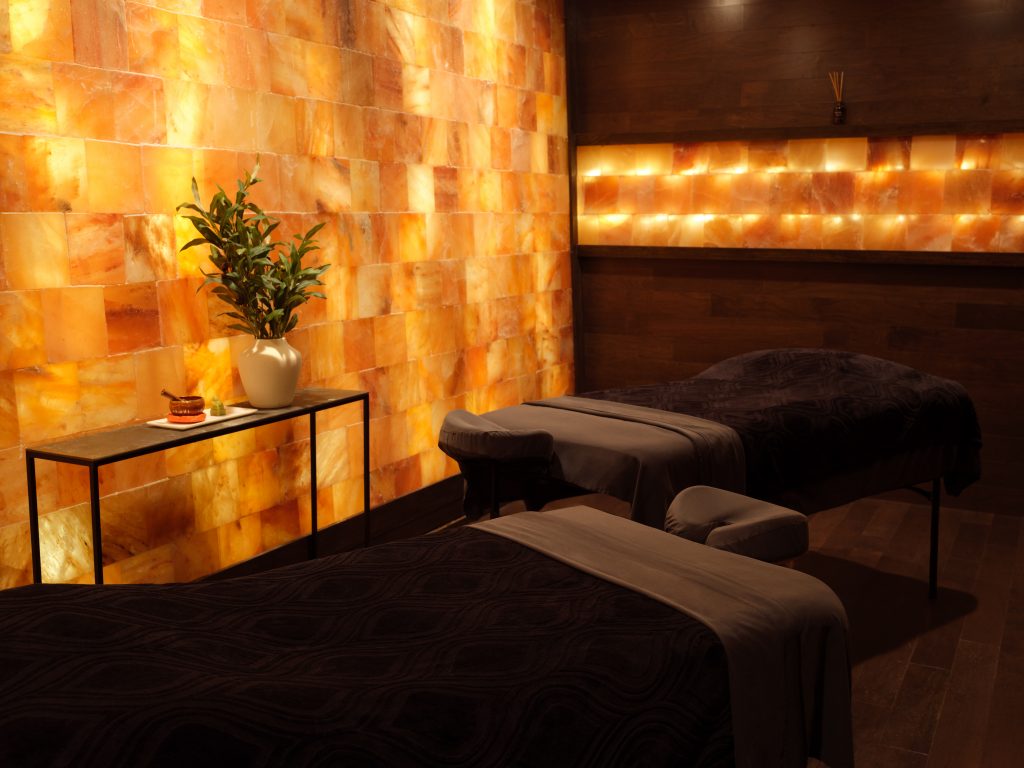
If you’re searching for a unique experience, opt for a Salt Cave Massage at Zenbar Healing Studio. Offered as an individual or couples massage in a room with beautifully lit Himalayan Salt Rocks, each room has a professional salt mill within the wall that releases sterile pharma-grade aerosolized salt into the room during the treatment. They claim one hour in the salt cave has the healing properties of three days by the sea! 

By Nicole Hilton

Exercise, brain food, and good quality sleep are proven essentials to keeping our minds sharp. But have you ever considered that one of the simplest, most rewarding ways to enhance brain health is by learning a new language?

As I read more about the significant benefits of bilingualism, I’m kicking myself for not learning a second language when I was younger. I took beginner Spanish as an elective in University and planned to immerse myself in the culture, perfecting my Spanish as I traveled across South America. Sadly, the trip got sidelined by life and linguistically, I never advanced much past, “Cerveza, por favor.”

So, here I am decades later, a regretful monolinguist. But all is not lost. While our brains may become less receptive to new languages as we age, it’s absolutely possible to learn later in life.

The perks of picking up a new language are just too appealing to ignore. Studies show that being multilingual can enhance memory, extend our attention span, and even delay the onset of dementia.

Bilingual people tend to have better cognitive skills than monolinguals. This is called the “Bilingual Advantage.” This advantage includes superior problem-solving abilities and enhanced creativity. As a monolinguist, I’m left to wonder what artistic masterpieces I might have created if I hadn’t dropped high school French in grade eleven.

I just read that bilingualism is linked to increased grey matter density in the brain, which correlates with better memory and cognitive function. The science connecting language learning and brain health is compelling. A study from the University of Edinburgh found that bilingualism could delay Alzheimer’s disease onset by up to five years.

That finding alone has me searching for my old Spanish textbook. Another study from York University in Toronto discovered that bilingual people tend to have more efficient brain networks. Hmmm, this could explain why I can’t remember where any of my old textbooks are.

Kidding aside, learning a language at any age is so good for us. The cognitive workout required to learn and practice a new language increases the neuroplasticity of our brains and can delay cognitive decline.

Celina Gutierrez, founder of Speak Spanish Academy in Oakville, says that students learning Spanish not only sharpen their memories but also build multicultural networks and advance academically and professionally. “Learning a second language not only enhances brain development and boosts our attention, but understanding a new culture through language enriches our world view,” Gutierrez says.

Fern Hill School in Burlington teaches Mandarin to students from preschool to Grade 7. This early exposure helps students master Mandarin’s unique tonal sounds, which differ significantly from English and French and are more challenging to learn later in life.

SCIENCE SAYS

As people live longer, the world population is more at risk of cognitive decline, a natural consequence of aging. Studies show that learning a foreign language may be an effective non-pharmacological way to protect our brains from decline.

Learning a new language can…

  • promote thinking skills
  • increase mental agility
  • delay the aging of the brain

A study funded by the National Institutes of Health also found that bilinguals are better at multitasking.

For anyone who’s ready to learn a language and explore a new culture in the process, there are plenty of in-person and online options:

LANGUAGE SCHOOLS: Schools like Alliance Française, German School Halton, My French Club, and Speak Spanish Academy provide specialized instruction, often using native speakers and immersive teaching methods.

ONLINE PLATFORMS: Duolingo, Babbel, and Rosetta Stone are convenient and go at your own pace with interactive lessons and community forums to enhance the experience.

LANGUAGE TUTORS: Private tutors, online or in-person, provide a supportive environment for learning, practice, and improvement.

Learning a new language offers so much more than just communication skills – it’s fun and très très bon for the brain. Whatever language you decide to learn, the rewards are significant. Why not enroll in a local program and take the linguistic leap?

By Lisa Thornbury

Local Links:

Speak Spanish Academy
speakspanishacademy.com

My French Club
myfrenchclub.ca

Alliance Francaise, Oakville campus
alliance-francaise.ca/en/who/contactus/oakville-campus

German School Halton
germanschoolhalton.ca

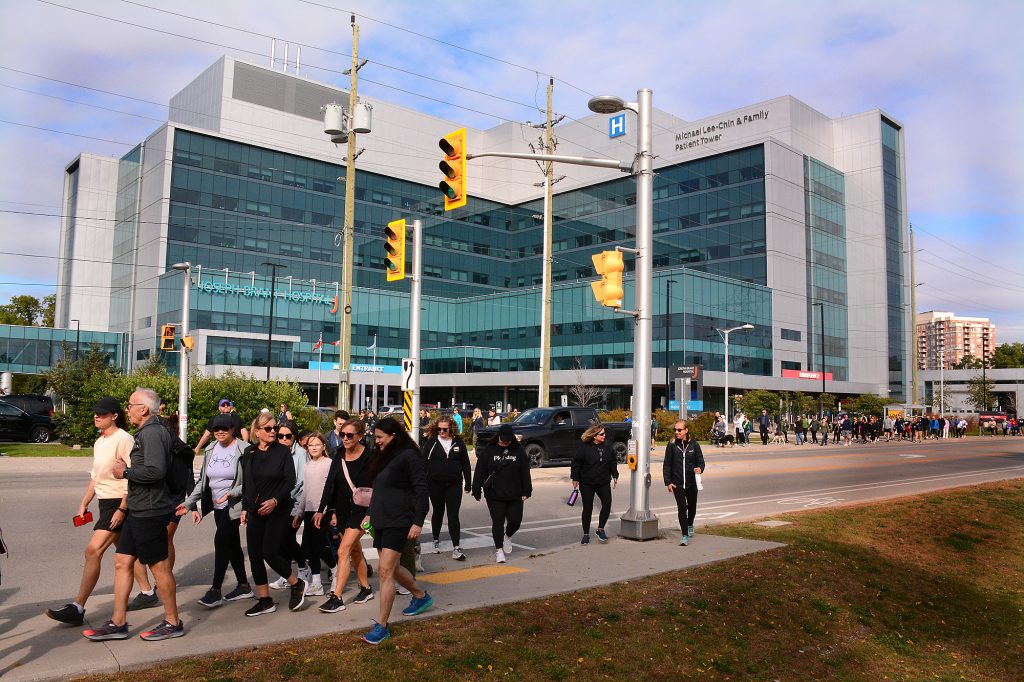
The fourth annual Walk to the Lighthouse for Mental Health and Addictions in support of the Joseph Brant Hospital Foundation is on! Mark your calendars for Sunday, September 22nd, rain or shine.

What is the cause all about?

The Walk to the Lighthouse is an annual fundraising event that continues to grow each year in size and donations. Every year, people are suffering with Mental Health in silence and not getting the proper treatment they need due to fear of stigma, isolation and judgement.

The walk is an important event that is dedicated to advocating for change and providing improved programs for Mental Health & Addictions in our community. The walk committee is made up of both individuals and families, with real world experience, living with Mental Health issues, all working towards a brighter future to help the next generations.

Where is the walk?

The walk will depart from the Joseph Brant Hospital parking lot directly beside the Joseph Brant Museum and will make its way down the scenic waterfront trail towards the lighthouse and back.

There will be a limited amount of parking passes available to those who register online and paid parking in many nearby lots. The distance to and from the lighthouse is approximately 5 kilometers and should last about 45 minutes to an hour.

Where do my donations go to?

All donations and proceeds will go directly to the MH&A fund at the Joseph Brant Hospital in support of those in need. Last year, the team was fortunate enough to raise over 50,000 dollars and this year, we hope to match and raise that amount!

Help support the cause by joining your local community for an afternoon walk and work towards breaking the stigma against Mental Health and Addictions within our society.

So…. Who will you walk for?

Contact:
Melanie Walker and Sylvia Phelps: Co Chairs Of The Committee
Instagram: @walktothelighthouse
Info@walktothelighthouse.com
walktothelighthouse2024.funraise.org

By Trinity Paton

Anyone who craves being part of a team may experience a pang of envy when a sleek boat full of rowers whizzes by in the pink sunrise. Rowing and dragon boating are two popular water sports that grace Lake Ontario all summer long. They’re fun, fantastic for team spirit and morale, and have tremendous fitness benefits. They’re also very different in many ways. Want to know more? Here’s a primer.

DIFFERENCES BETWEEN ROWING AND DRAGON BOATING

Origins: The first representation of a rowing boat, according to the World Rowing Association, was discovered in Finland and dates back to 5800 BC. The earliest rowing regatta was held in the year 1274 in Venice, Italy.

The historical roots of dragon boating can be traced back to China, going back more than 2,000 years. According to legend it commemorates poet and politician Qu Yuan, who was accused of treason and drowned himself in the river. Fishermen raced in an attempt to retrieve his body before he could be eaten by fish.

The Boat: In rowing, the boat is called a “shell.” It’s a sleek, lightweight, carbon fibre boat built for speed. The shell has 1, 2, 4 or 8 rowers.

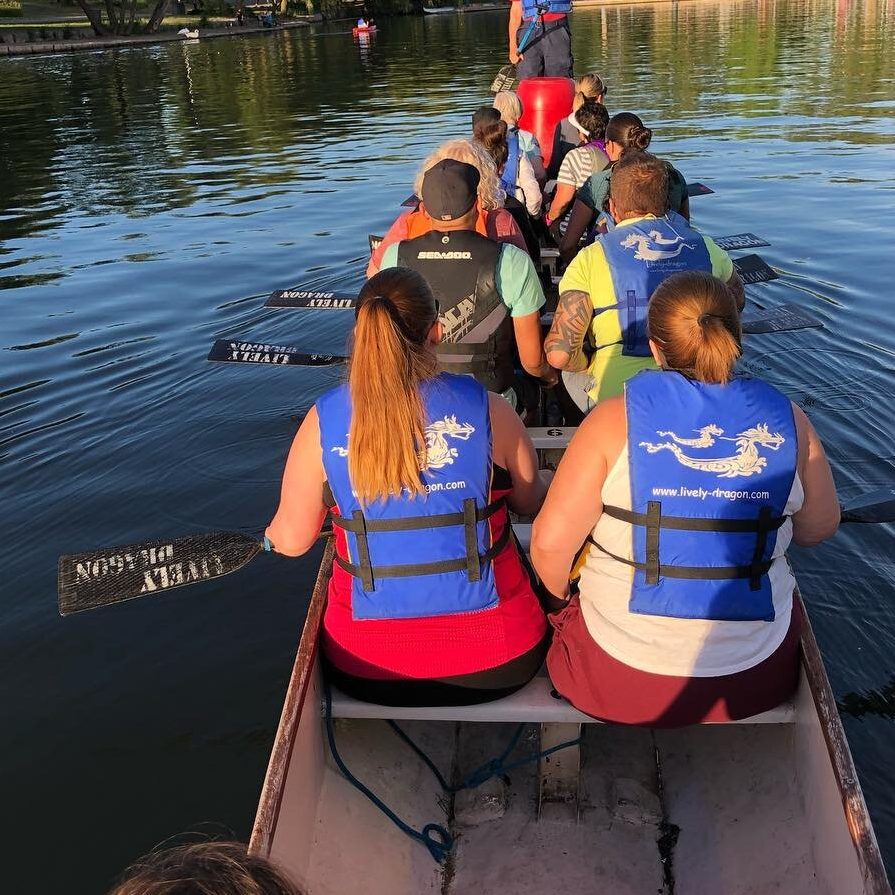
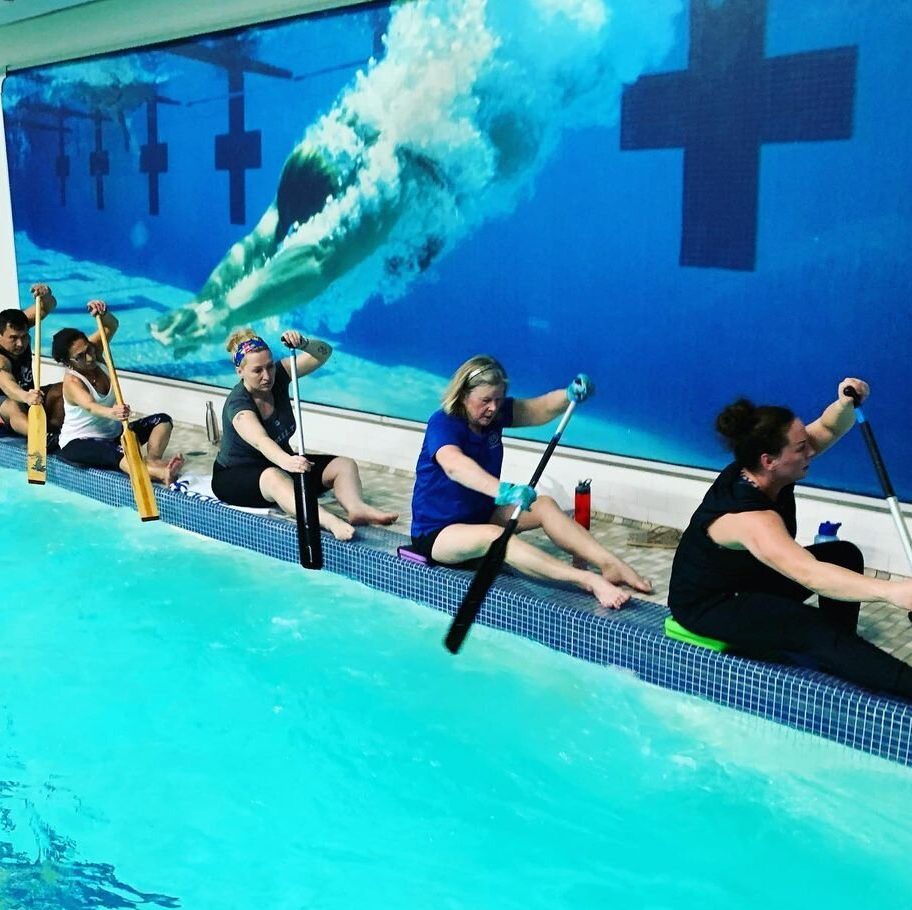
A dragon boat is a long, narrow, wooden or fibreglass canoe that seats up to 20 paddlers in 10 rows. It has a drummer at the front – who beats the drum in competitions – and a steersperson who navigates the back. During competitions, a dragon head at the front of the boat and a dragon tail at the back are on display.

Propulsion: In rowing, you sit facing the back of the boat and pull an oar to move forward. There are two types of rowing. In sculling, each rower holds two oars, one in each hand. In sweep rowing, each rower holds one oar with both hands. Precision and technique are vital. Rowers strive for synchronization and efficient strokes.

In a dragon boat you face forward and operate the paddle as you would in a canoe.

How competitive? Rowers from the Don Rowing Club (Mississauga) and Leander Boat Club (Hamilton) have a long history of competing in the Olympics and other world championships. These longstanding clubs really strive for excellence and have world-class coaches.

Lively Dragon, Hamilton

Dragon boaters also compete on an international level. Some clubs, however, don’t necessarily require racing at all. Lively Dragon, Hamilton offers programs for both competitive and non-competitive boating. “Dragon boating is for everyone,” says Jackie Taggart, who co-owns the establishment with husband Ramsay Drummond-Young. “It’s for different fitness levels, and for people of all ages. Some choose not to race and just want to be on the water with friends.”

SIMILARITIES

Full body workout. Rowing and dragon boating both use muscles in every part of the body. Both are a powerful way to build strength, agility, stability, and endurance. Training land happens (with both weights, on rowing machines, circuit training, and exercises for core stability) and
on water.

Self awareness. Both water sports require coordination, and the ability to be in sync with teammates. Focus and concentration are key.

Lively Dragon, Hamilton

Paddlers use bursts of energy to move the boat. Strokes are synchronized, but each is punctuated by the beat of a drum. Dragon boat strokes are broader and shorter, with emphasis on raw power and endurance.

Teamwork. Rowing and dragon boating are not about being the MVP or scoring the most touchdowns. Individual strength matters, but so does collective harmony. Rowers and paddlers aim to move as one. “The team aspect is so wonderful,” Taggart says. “It makes you accountable and you make lifetime friends.”

A feeling like no other. An invigorating workout on a pristine lake. Playing a key role on a team. Challenging yourself to be your very best. What could be more fulfilling?

By Michelle Morra

Local Links

Burloak Canoe Club,
160 Water Street, Oakville
www.burloakcanoeclub.com

Lively Dragon 200
Harbour Front Drive, Hamilton

lively-dragon.com

Don Rowing Club Of Mississauga
35 Front Street North, Mississauga

donrowingclub.ca

Leander Boat Club
50 Leander Drive, Hamilton

leanderboatclubofhamilton.com

Ah, the New Year — a time when we try to morph into fitness gurus overnight. But as January fades, so do our intentions. Suddenly, gym bags gather dust, and our running shoes seem to vanish into thin air.

Sound familiar? Don’t despair. 

Here’s how to stick to your fitness goals through the winter and beyond.

Find the fun in fitness
Does the thought of jogging make you want to run and hide? Does the idea of swimming make you want to dive under your covers?
If it doesn’t excite you, chances are you won’t stick with it. To improve the odds of achieving your fitness goals, find something that’s challenging but enjoyable for you. 

Love to dance? Maybe jazzercise is your calling. It’s not just fun; it improves balance, flexibility, overall tone and cardiovascular health. 

Maureen Perkovic from Jazzercize Oakville Fitness says, “There’s something about dance — it ignites our bodies and fires up our brains. Even a few minutes of dancing in the morning before you leave the house changes how you walk out into the world. Find whatever it is that motivates you to move.” 

Whether it’s lifting weights in a bustling gym or following a calming yoga class online at home, discovering “your thing” helps boost your commitment.

Set a schedule that suits you
Ditch the one-size-fits-all approach and create a realistic schedule tailored to your lifestyle. Setting specific, achievable goals and a consistent exercise schedule increases the likelihood you won’t throw in the towel. Whether it’s a lunchtime Pilates session or an evening bike ride, find a time that works best for you and make it part of your routine. 

Prioritize nutrition, hydration & sleep
Fuel your body like the sophisticated machine it is. A balanced diet, proper hydration and quality sleep are crucial. Meal planning can help avoid impulsive food choices, and be sure to keep well hydrated. Also make sleep a priority — it’s not just for dreaming but also for muscle recovery and repair.

Community counts
Finding a community of like-minded fitness seekers can keep you accountable. Plus, it’s more fun than embarking on a fitness journey alone. Join a fitness class, sign up for a running group or hop onto social media where exercise enthusiasts share tips and encouragement.

Shelley Frank enjoys her gym community so much, she and a group of members bought the gym! Operating Element CrossFit Oakville is now a team effort. 

“There’s just this sense of belonging because CrossFit focuses on community and working out with fitness-focused friends. It’s comforting being in a place of non-judgment, sharing successes and a lot of laughter. It’s why I show up every day,” says Shelley. 

“CrossFit might be for you if you’re like me and get bored quickly. The group workouts, led by certified coaches, are different every day, and scalable to your fitness level.” 

Be accountable
Pair up with a friend, family member or colleague who shares your fitness goals. Having an accountability partner significantly increases exercise adherence. Someone counting on you to be there can be a powerful motivator.

Fitness is a marathon, not a sprint
Set goals, but make them realistic, actionable and sustainable. Instead of committing to a daily 5 a.m. gym routine (especially if you’re not a morning person), start with simple steps like going for a walk or running on the treadmill for ten minutes. Gradually increase the intensity as you feel comfortable. 

Fitness isn’t just about weight management and sculpting your body — it’s about feeling energized, confident and healthy from the inside out. So, make your resolutions, but approach them with a realistic and sustainable mindset, setting the stage for a fulfilling fitness journey for years
to come. 

FUN WAYS to get fit in 2024

JAZZERCISE OAKVILLE FITNESS, Oakville
jazzercise.ca

SPINCO, Oakville
spinco.ca

ELEMENT CROSSFIT, Oakville
elementcrossfi t.com

EXHALE PILATES, Burlington
Exhalepilates.ca

GROUNDED PILATES, Burlington
groundedpilates.ca 

Randy Gardner holds the Guinness World Record for staying awake for an astounding 11 days and 25 minutes. There have been even longer stints since setting his record in 1964. However, Guinness Book no longer monitors records for the longest time awake because the challenge is just too dangerous. 

As a busy mom who struggles with bouts of insomnia, I can understand why. After just a few nights of tossing and turning, I become lethargic, irritable, easily confused, and I struggle to finish a simple thoug…

Getting a solid night’s sleep isn’t a luxury; it’s a necessity. Insufficient sleep takes a toll on our physical, mental and emotional well-being. And, it appears sleeplessness is on the rise, especially among our youth. 

For the little ones and the not-so-little ones (we’re looking at you, teenagers), sleep is like the secret sauce for growth, learning and memory consolidation. 

In adulthood, sleep still plays a pivotal role in regulating mood, maintaining cognitive abilities and supporting overall health. As we age, quality sleep remains vital for restorative functions like tissue repair and strengthening our immune system.

So yeah, sleep is kind of a big deal.

How do we go from counting sheep to catching some sweet REMs? According to sleep expert Alanna McGuinn, “Improving your sleep begins with establishing a pre-sleep routine that signals to your body it’s time to wind down.”

 The allure of smartphones, tablets and laptops has led to a sleep-disrupting phenomenon. The blue light emitted by these devices suppresses melatonin, the hormone that regulates sleep, making it harder to fall asleep and stay asleep. So, give your tech gadgets a curfew of at least one hour before bedtime. Also, monitor what you are consuming right before you go to sleep. If there are social media accounts or TV shows (including the news) that heighten your feelings of stress, avoid them before bedtime.

  As enjoyable as it is to Netflix and nibble, late-night snacking can stimulate your digestive system and make it harder to sleep. Try to finish eating and drinking at least 3-4 hours before bed to give your body ample time to digest.

  A warm bath helps lower your body temperature, which is essential for falling asleep. Add some calming lavender or bath salts for an extra touch of relaxation. 

  A slightly cooler room (around 18-20°C) is generally the Goldilocks zone for slumber.

  Lower the lighting in your environment as you approach bedtime. This signals your body to prepare for sleep and naturally start to release melatonin, our sleep hormone. Invest in proper window coverings that block out light to create a darker sleeping space.

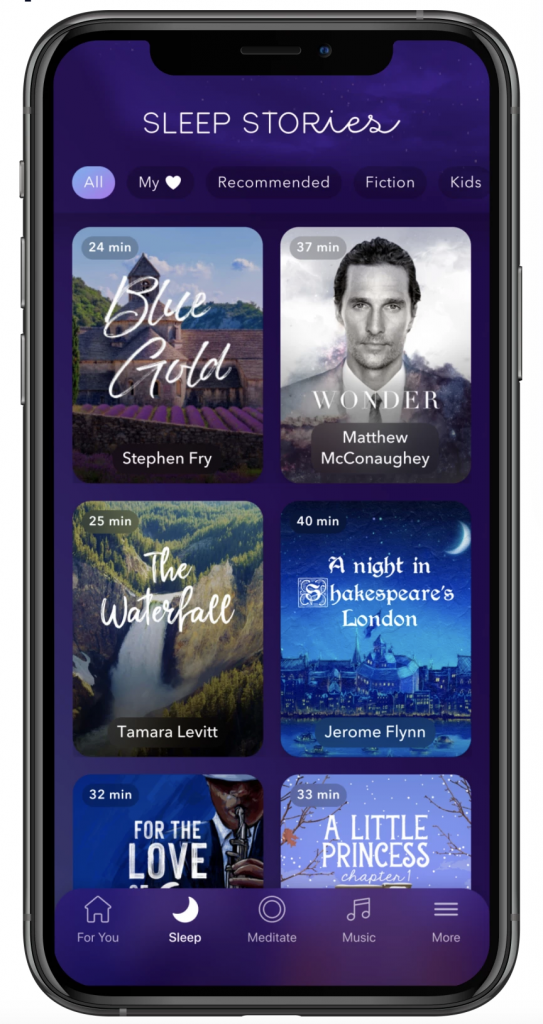
  Listening to soothing music or a podcast with a calming narrative can help you relax and distract your mind from racing thoughts. Set a timer to turn them off automatically. 

  While sleep apps can be handy, don’t get too obsessed with hitting a specific number of hours or sleep stages. Use sleep trackers periodically to spot trends and make adjustments to your sleep routine.

A great night’s sleep might feel like chasing a unicorn, but don’t give up hope. Tweak your pre-sleep routine with these tips, and you’ll find yourself drooling into your pillow in no time.  

Good night and sweet dreams! 

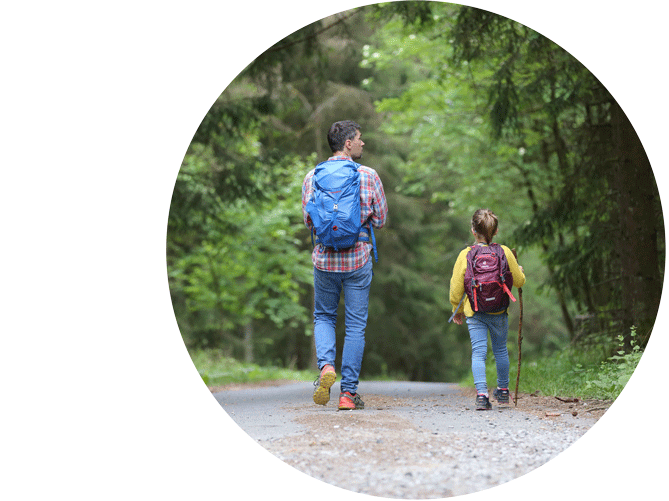
We know walking boosts your physical health, but there are other positive aspects of walking to consider as well. From igniting a creative spark to improving overall mental well-being, there’s a lot to the power of walking; not to be confused with actual power walking, which this author enjoys with great gusto and a set of Nordic walking sticks (to the dismay of her teenagers).

We’re here to walk you through the unique benefits of taking a hike, and hopefully inspire you to get out there… Nordic poles are optional. 

The physical perks are plentiful

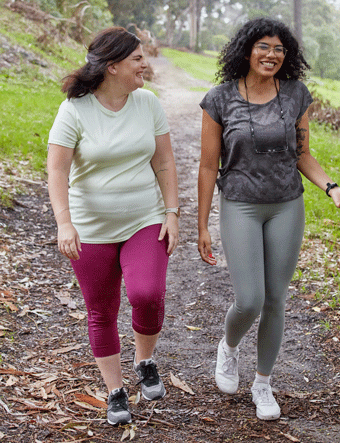
From boosting immunity to weight management, the physical benefits of walking are undeniable. As a weight-bearing exercise, walking helps strengthen bones and tone muscles. And let’s not forget the biggies—improved circulation and blood pressure regulation, and a lowered risk of heart disease. 

“Walking, especially for those intimidated by exercise programs, is a low barrier to entry form of exercise,” says Caroline Thong, a physical therapist at Athlete’s Care.  

Caroline often prescribes walking to patients recovering from various injuries. “When injuries occur we might assume exercise is off limits in order to heal. However, the opposite is generally true. If possible, and approved by your doctor, walking is a way to maintain your health and fitness by improving blood flow, especially to the area of injury.” 

Since low-impact walking is easy on the joints and can be done at any pace, and with the aid of mobility devices, it’s accessible to all ages and abilities.

The mental magic

Walking isn’t just good for your body; it’s an effective mood booster and stress reliever.

Research has shown that walking can enhance creativity and problem-solving abilities. This phenomenon is referred to as “creative walking” and is attributed to the combination of physical activity and exposure to the outdoors, which can stimulate the brain in unique ways.

Have you heard of “Walk and Talk” therapy? In this innovative approach, therapists and patients meet for their sessions while taking a walk – on a hiking trail or a paved path. 

Astrid Tsai, psychotherapist at Clearview Psychotherapy says, “Walk and talk therapy offers a unique alternative to traditional seated face-to-face therapy in an office. The spaciousness of nature coupled with an invigorating walk in the fresh air naturally enhances one’s mood and promotes clarity in thinking. Coupled with therapeutic conversation in serene natural surroundings, this approach has been shown to reduce stress, anxiety and depression, and even boost self-esteem.”

The rhythm of walking triggers the release of endorphins, which are those happy hormones capable of alleviating stress. I often remind myself of this when faced with the struggle to lace up. Life tends to get busy, making it a challenge to carve out time for a walk, even when it’s something I know is beneficial for my well-being.  

Nonetheless, once I’m in motion, I notice myself smiling and breathing easier. Never have I returned from a walk thinking, “I should have stayed home,” except for that one time when a sudden torrential rainstorm caught me off guard. Pro tip: Check your weather app before venturing out.  

Fall Hiking in Oakville & Burlington


Whether you’re a seasoned hiker or just looking for a leisurely walk, we are blessed with an abundance of beautiful trails and walking paths in and around Oakville and Burlington. 

Bronte Creek Provincial Park offers easy trails with views of the creek. 

In the centre of Oakville is the 16 Mile Creek Trail network, winding through a stunning natural setting, accessible through Lions Valley Park. 

If you want a bit of a challenge, the trails at Mount Nemo lead to breathtaking views of the Escarpment and surrounding areas.  

If you prefer smooth surfaces, try one of the walkways along Lake Ontario.
 

For help locating the best hiking trails near you, have a look at
AllTrails.com or download its free app for maps, reviews, directions and helpful trail details. 

Some Oakville and Burlington community centres have accessible indoor tracks where you can walk year-round for a small membership fee. 

Whether you’re enjoying a brisk hike on the Escarpment or taking a leisurely walk on Brant Street Pier, walking is your ticket to a healthier body and a calmer mind. 

As the lazy hazy days of summer give way to the hectic routines of fall, you may find yourself feeling slightly overwhelmed by the start of the new season. Between unpacking your sweaters and juggling kids’ activities – and before planning for holidays (yup, those are coming sooner than you think) – be sure to schedule time to rejuvenate your mind and body as you prepare for fall. Halton and surrounding regions are home to several spots ready to pamper, restore and recharge your batteries.

Wellness for the Body

2418 Lakeshore Rd W, Oakville
wellnessforthebody.com

Serving the Bronte Village community of Oakville since 2005, the team of healthcare practitioners at Wellness for the Body aims to ensure clients achieve a healthy, stress-free and pain-free lifestyle. Services range from counselling to chiropractic care, naturopathic care, osteopathy, acupuncture and massage therapy. They are open 7 days a week.

Pearle Spa

3 Elizabeth St, Burlington
thepearlehotel.ca

If you’re looking to turn off all distractions to pamper yourself for a day (or two), look no further than the Pearle Spa. Located on the picturesque Burlington waterfront in the Pearle Hotel, this luxurious day spa is the perfect place to escape from the stresses of daily life and unwind. Amenities include a traditional Hammam steam room, plus a lounge and pool for a complete full-day experience. Choose among facials, body treatments, massage, manicures and pedicures, and consider extending the experience by booking a room at the Pearle Hotel and dining at Isabelle Restaurant & Lounge.

The Pearle Spa
The Pearle Spa

Yellow Door 

114 Thomas St, Oakville
yellowdoorstudio.com

For a revitalizing lift in your spirit and body, look no further than this modern and welcoming day self-care studio. Grab a drink at the fully licensed bar and cafe while you enjoy your treatment. Yellow Door offers manicures, pedicures, facials, jetpeel, waxing, brow and lash treatments. Here, wellness is addressed from the inside out, offering acupuncture and ayurveda massage as well as meditation, massage and reiki energy healing.

Yellow Door Studio

OM Massage & Wellness

46 King St W Suite 201, Dundas
omdundas.com

Nestled in the heart of historic downtown Dundas beside the Starbucks patio, OM Massage & Wellness is a tranquil oasis catering to all aspects of health. OM puts relaxation at the forefront of all its healthcare services. OM Massage & Wellness offers registered massage therapy, naturopathic medicine, osteopathy, acupuncture, reflexology and physiotherapy. Mental health services including social work, psychotherapy and yoga therapy ensure the whole body is taken care of at OM.

You shouldn’t have to wait until you’re burnt out to book personal care time. Wellness should always be a top priority because when you take care of yourself, you’re better able to care for others. Whether it’s a single treatment or a full day, time spent at the spa can help prepare you to meet the busy season ahead with energy and optimism.

by Lisa Evans