

Environmental change can often feel overwhelming, like something far beyond our control. But the truth is, the choices we make every day matter more than we think. From how we heat and cool our homes to the food we buy, our every-day actions add up.
“Your household’s carbon footprint is the invisible trail of greenhouse gases your day-to-day life leaves in the air,” says Sue Alksnis, Fundraising & Community Engagement Manager at BurlingtonGreen Environmental Association. Greenhouse gases like carbon dioxide and methane trap heat in the Earth’s atmosphere. The more emissions are pumped into the air, the more heat stays trapped. This extra heat fuels climate change, making weather patterns more unpredictable over time. “While Canada’s impact on total emissions is smaller than many larger countries, our per-person impact is among the highest in the world,” adds Alksnis.
The good news? Reducing your individual carbon footprint isn’t as hard as it sounds and doesn’t necessarily require dramatic lifestyle overhauls. Alksnis emphasizes that individuals and families can make small changes that don’t just reduce their own carbon footprint, but can help to drive meaningful change in the community, building momentum for larger policy action such as better transit and greener buildings.

“Individual choices may feel small, but when thousands of households make changes together, the cumulative effect can be powerful,” says Alksnis.
This idea of collective impact is at the heart of BurlingtonGreen Environmental Association’s 200,000 Eco-Actions by 2030 campaign, which tracks and celebrates local eco-actions — from biking to work to composting at home. Individuals and families can share what they’re doing to lower their household’s environmental impact at burlingtongreen.org/share-your-eco-actions.
The website provides ideas and encourages small yet impactful actions, such as using energy efficient appliances, air drying laundry, switching to LED lighting, putting lights on timers to conserve energy, carpooling, and not idling your vehicle. There are also lifestyle swaps such as buying second hand clothing, repairing items instead of buying new ones, using a rake or electric leaf blower instead of a gas-powered blower, and using natural cleaning products.
Sharing your eco-actions can also inspire others in our community to take part.
Everyday Habits To Reduce Your Carbon Footprint
- Use reusable water bottles and lunch containers.
- Buy in bulk to reduce plastic waste.
- Adjust your thermostat by a few degrees in winter and summer to save energy.
- Reduce meat consumption. Beef and pork have much higher carbon footprints, as livestock farming is a major source of methane emissions.
- Choose low-emission transportation. Walk, bike, carpool, use public transit, or consider an electric vehicle.
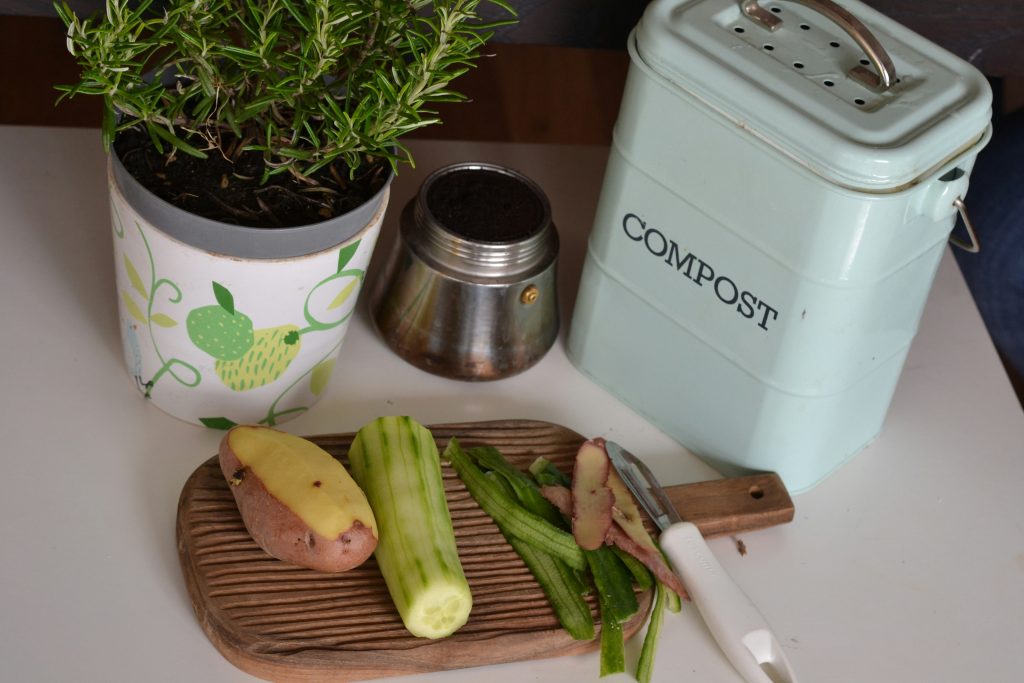
- Compost food scraps. Composting cuts methane emissions from food waste.
- Prepare meals at home. Cooking at home reduces packaging.
- Gift experiences instead of things that can end up in the landfill.
Shop for second-hand items. Community events such as BurlingtonGreen’s clothing swap keep clothing items out of landfills, where they can release emissions and toxic chemicals. There are also plenty of second hand and consignment shops in Halton region that not only lower your carbon footprint but are softer on your wallet.
Find Support & Incentives

From home energy retrofit rebates to electric vehicle incentives, there are several programs to encourage households to reduce emissions while saving on energy costs. If you’re looking to make some home modifications such as adding insulation or installing a heat pump, you may be eligible for federal and provincial energy-efficiency programs like the Home Renovation Savings Program or the Home Winterproofing Program. And if you’re in the market for a new vehicle, as of February 16, you may be eligible to receive federal rebates up to $5,000 for battery or fuel cell powered vehicles and $2,500 for hybrid vehicles.
Most importantly, Alksnis stresses that households don’t need to do everything at once. Start with one new habit and build from there. Try a meatless day once a week or choose more locally grown, seasonal fruits and vegetables.
Small steps, taken together, can lead to big change.
By Lisa Evans