Canadians love their hot, cozy, winter drinks, and we grown-ups tend to like them spiked. Why do alcohol and heat pair so beautifully?
“When spirits are warmed, their aromatic compounds become more volatile, intensifying body and aroma while softening sharp alcohol notes,” says Sam Nasiry at Maverick Distillery in Oakville. “That’s why drinks like mulled wine or hot buttered rum feel so comforting. Heating gently accentuates flavour complexity and natural sweetness without evaporation.”’
Sweet, Silky Sipping
Every bit as tasty and calorie-rich as it sounds, hot buttered rum dates back to colonial USA, when New Englanders were trying to improve the taste of the harsh-tasting rum they were distilling from Caribbean molasses in the 1600s. Essentially, this old favourite consists of a “batter” (made of softened butter, brown sugar, and warming spices like cinnamon, nutmeg and allspice) mixed with dark or spiced rum and hot water. Some variations call for vanilla extract, a pinch of salt, or even vanilla ice cream for added silkiness.
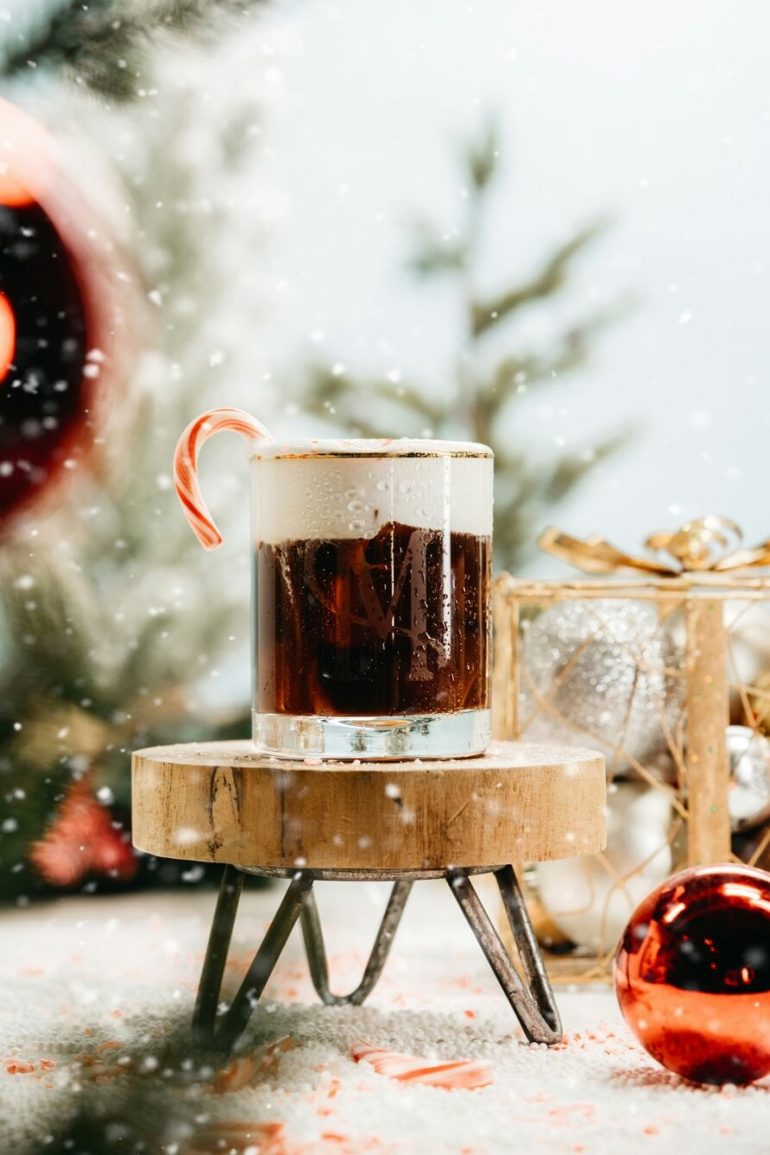
It goes without saying that hot chocolate is a winter essential, served at ice skating rinks all over North America. Grown-ups and gourmets can augment the appeal of this classic in myriad ways. There’s mint hot chocolate, hot chocolate eggnog, white hot chocolate, Mexican hot chocolate (with cayenne and cinnamon), mocha hot chocolate, peanut butter hot chocolate, and more. Make an even cheerier batch by adding spirits like peppermint schnapps, coffee liqueur, Irish cream, whiskey, or rum.
“Mulling” means to let something stew (in a good way) for a while, just as we “mull over” a brilliant idea. Many hot drinks, including wine, cider, chai, and hot chocolate, grow more delicious when mulled with aromatics such as cinnamon sticks and orange peels.By Michelle Morra
Coffee With Swagger
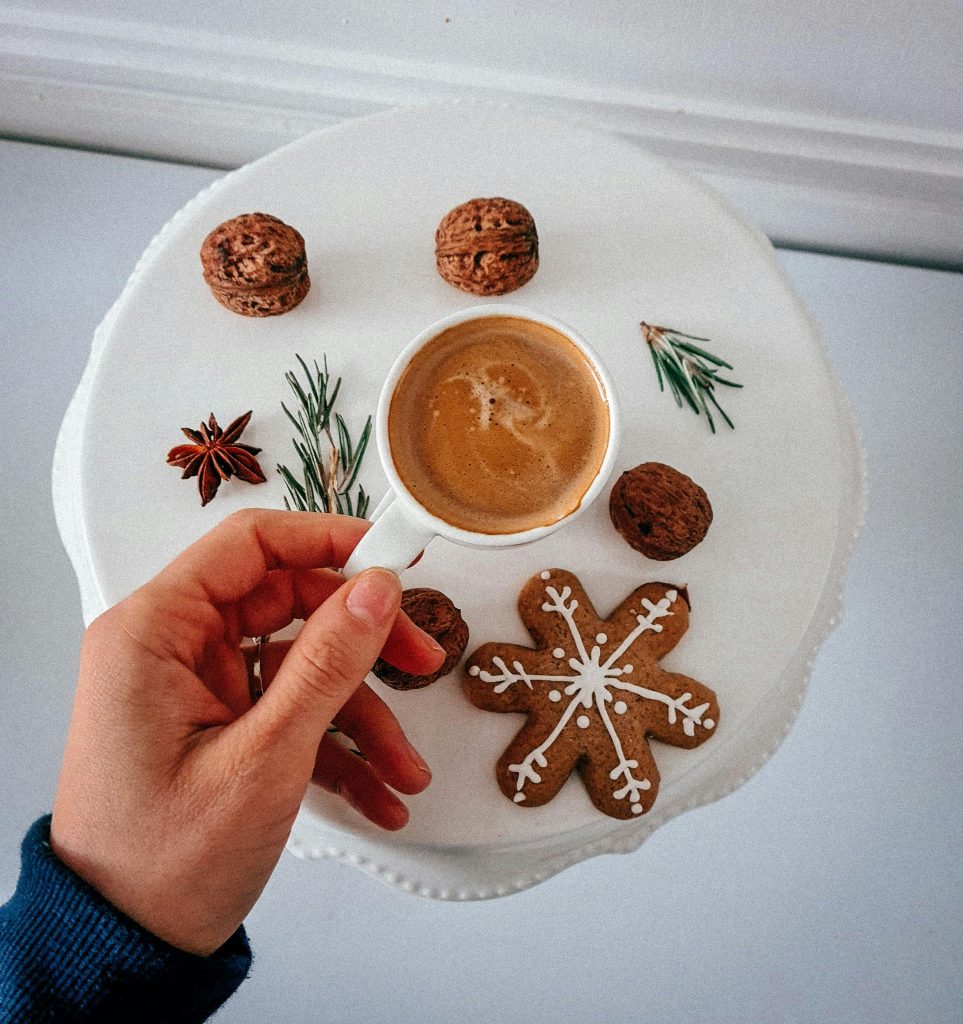
We won’t tell anyone if you slip a shot of liqueur into your coffee at Christmas brunch. The flavour lends itself magically to a little chocolate liqueur, Irish cream, anise liqueur, orange liqueur, or whiskey. Not just for mornings, spiked coffee is the crown jewel of liquid desserts after a feast. Mix up your favourite recipe for Spanish, Irish, or Monte Cristo coffee topped with whipped cream.
Bear in mind that there’s a right and a wrong way to build a hot cocktail. “The biggest mistake is boiling the alcohol itself,” Nasiry says. “Always add spirits last, after the liquid base has cooled slightly below boiling (around 160–175°F).”
Fruit and Spice
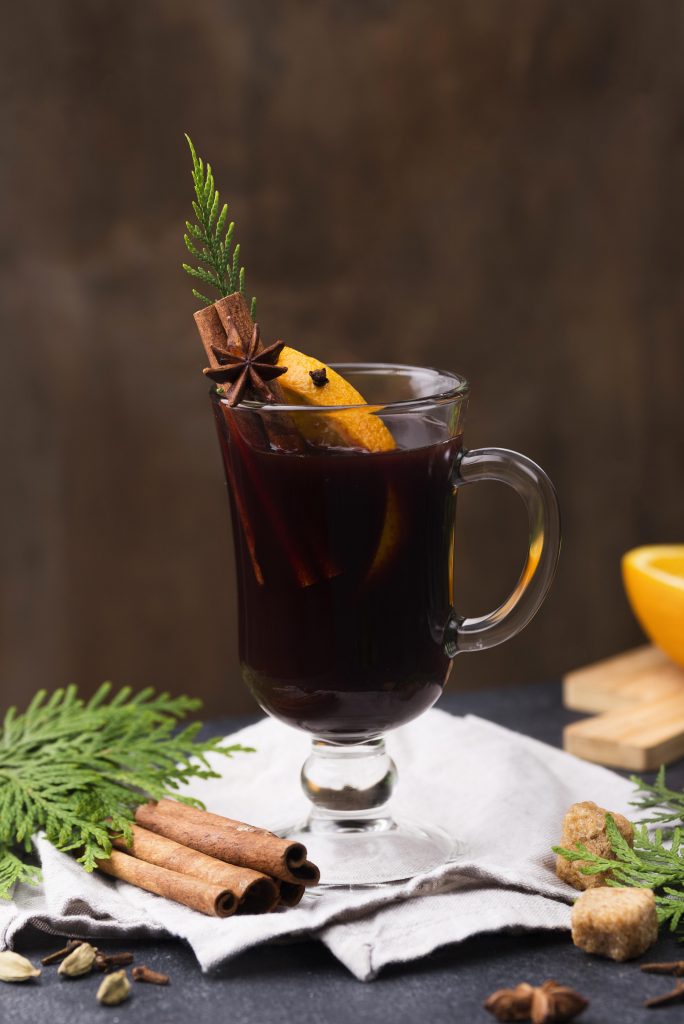
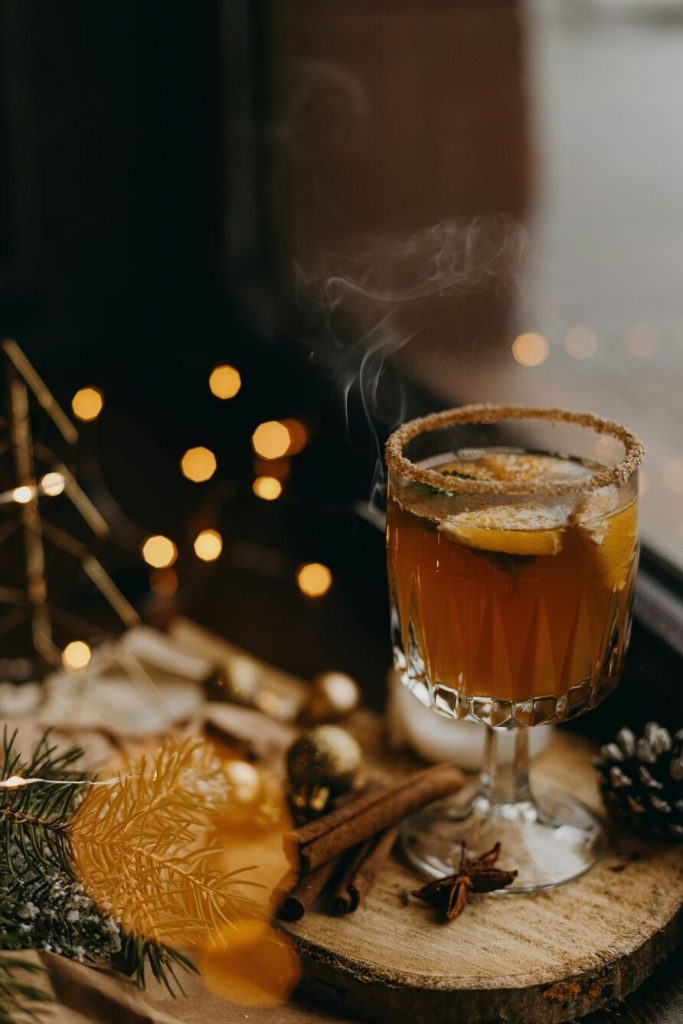
Mix red wine with spices, heat it up, and savour a cup of mulled wine. You’ve just time-travelled to the drink’s heyday in Medieval England, where wine was likely safer to drink than the water. If wine was of inferior quality, the English made it taste better just as the ancient Greeks and Romans did — by drinking it warm with a mixture of fragrant spices like cinnamon, cloves and star anise. Honey, citrus slices, or citrus peels are common additions. The Germans call their mulled wine “Glühwein” — buy a bottle at Denningers or Ikea, and just heat and serve. Note: Though red wine is the traditional base for this festive drink, white and rosé also do the trick.
Recipes abound for hot holiday cocktails, but it can be fun to fuse booze with your favourite flavours and concoct your own special hot Christmas punch, tea, java, cider, or nog. The key, Nasiry says, is to “balance rich sugars (like maple or honey) with acidity (from lemon or citrus) for structure, and use aromatics like cinnamon, nutmeg, or clove sparingly. They should complement, not overpower, the spirit.”
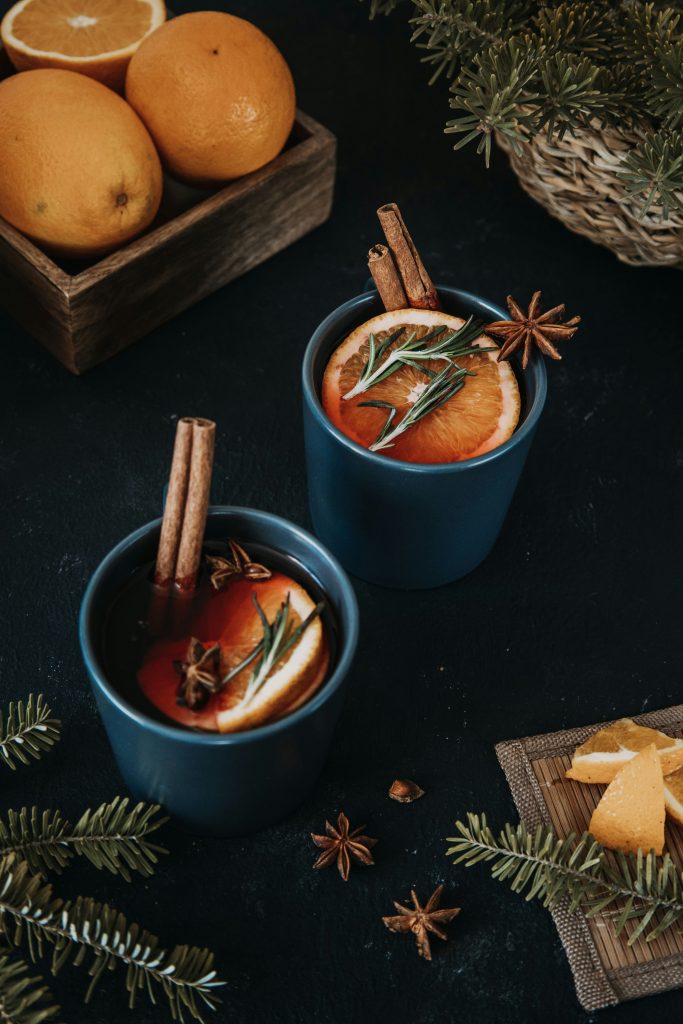
The holidays are about embracing small indulgences. So, when the weather outside is frightful, warm your insides with a steaming cup of cheer. See page 128 for three hot toddy recipes, courtesy of Maverick Distillery Ltd.
By Michelle Morra