

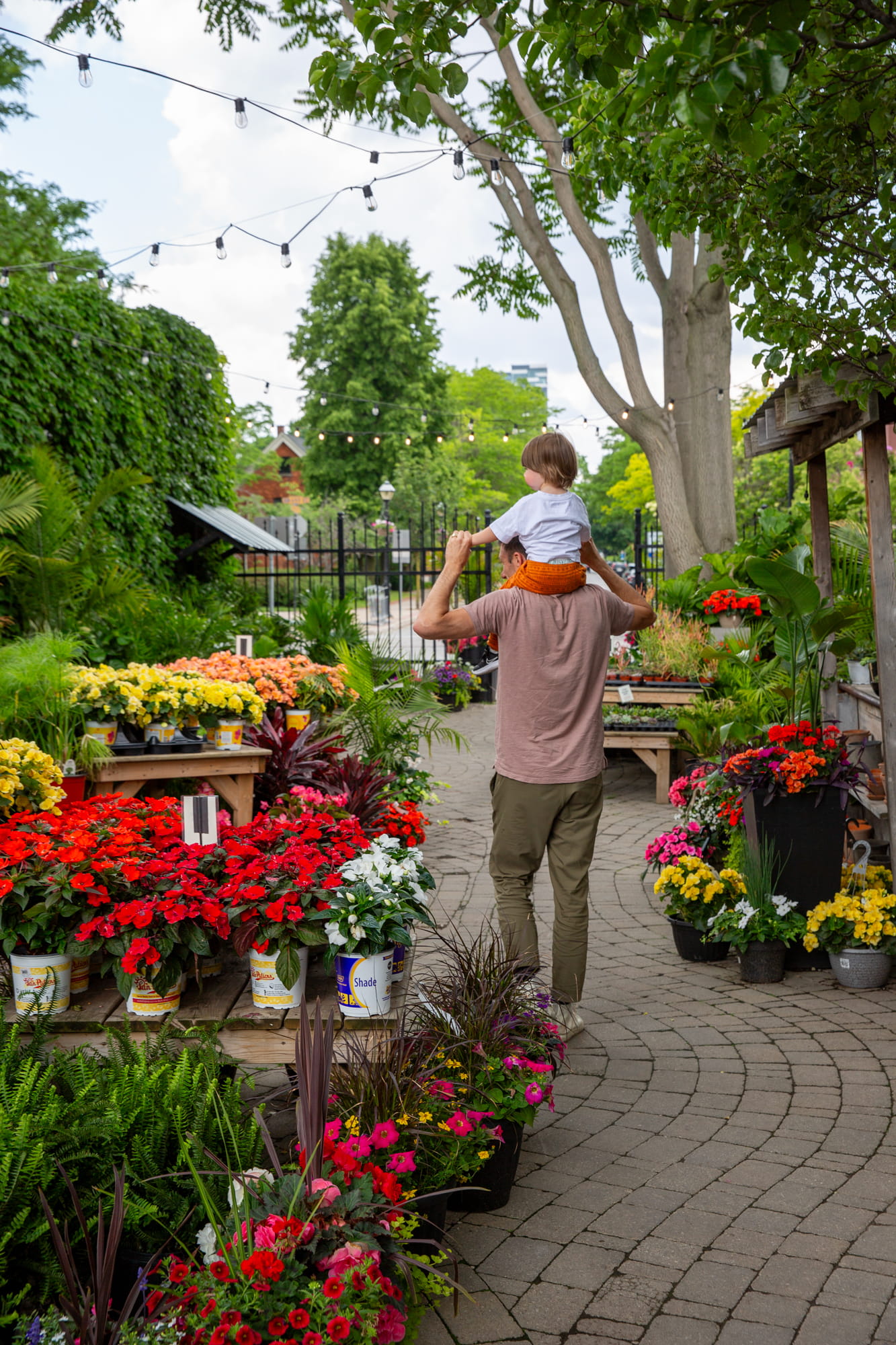
I’m really not so old – or so I tell myself – but when I was born, my father wasn’t in the hospital room. I had a stay-at-home mother who deprived the workforce of her many talents to lovingly spend her days with a babbling (and adorable!) toddler. Dad was a foreman at General Electric and provided for us financially, but I can pretty much guarantee that he never crawled on the floor in a toy store to play horsey with his kid like the dads I see today.
Fatherhood looks entirely different in 2026.
Then and now
In the 1970s, the breadwinner model still dominated family life. Statistics from the era show that just one percent of stay-at-home parents were fathers, and more than half of single-earner families relied solely on a father’s income.
By the 1980s, those expectations were beginning to shift. More women were entering the workforce, and family dynamics started to change. Fathers were still largely seen as providers, but they were becoming more present in everyday family life. Even so, a 1982 survey found that 43 percent of fathers reported never having changed a diaper — a statistic that now feels almost impossible to imagine.
The 1990s marked another turning point. Fathers were increasingly present at births, and the definition of a “good dad” began expanding. Beyond financial support, fathers were expected to provide emotional involvement and nurturing. Over time, public policy also changed things. Parental leave programs gradually encouraged fathers to take time off with newborns, especially in Quebec, where dedicated paternity leave dramatically increased participation.
By 2015, nearly half of Canadian fathers reported providing daily care for their children, compared with one in three in the mid-1980s. Fathers now account for at least 11 percent of stay-at-home parents, a sevenfold increase since the 1970s.
The involvement shift
Juan Sarmiento, Founder & Owner of Vereda Central Coffee Roasters and a present-day dad, says that everything he does is for his family. As someone who takes his three “most wonderful and beautiful girls in the world” to school and picks them up every day, attends every recital or rehearsal and helps with homework, he doesn’t sound at all like the career men one might have encountered in the 1970s.
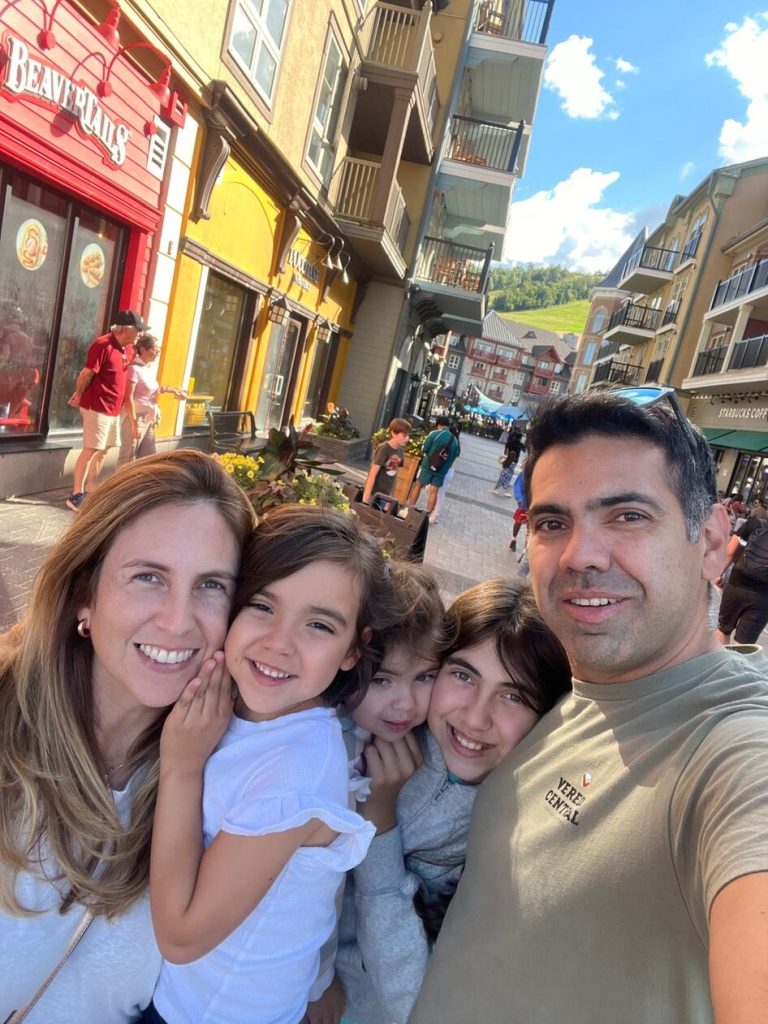
“Dad mode is 24/7 for me,” Sarmiento says. “I love hanging out with my family.”
While the path toward equality in parenting is still evolving, one thing is clear: modern fatherhood is increasingly defined by being present. For many fathers, this requires some careful juggling but is worth every second.
Jon Root, Look Local magazine’s Creative Director, has two boys, ages five and 18 months, who “look identical but have vastly different personalities.” Like many working parents, Root’s day involves constant shifts between professional and family roles.
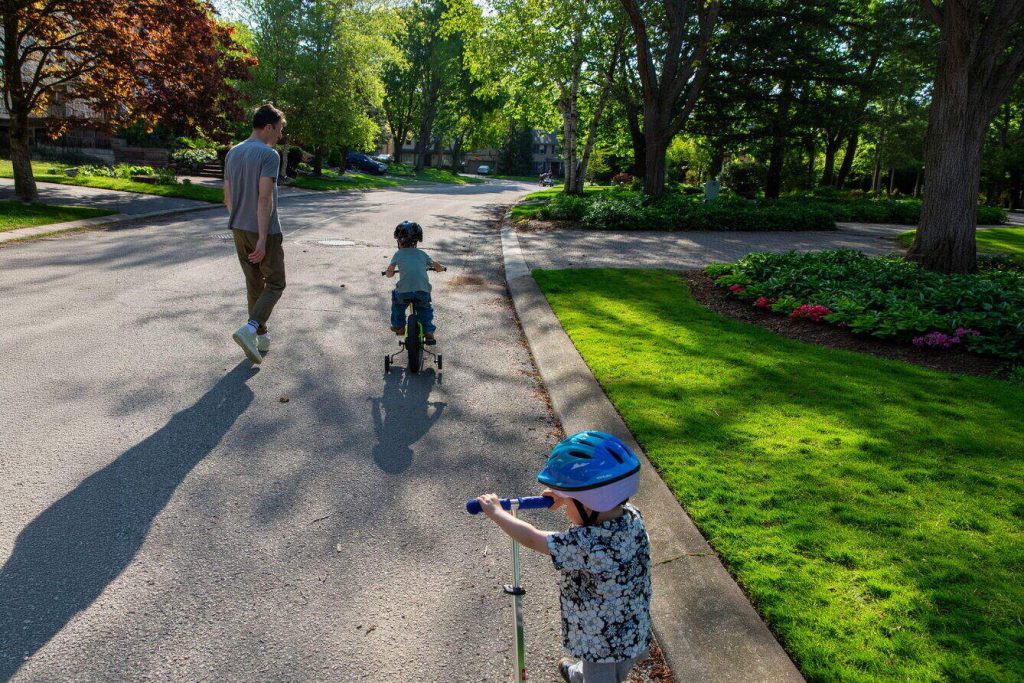
“Mornings and late afternoons I try not to look at my phone so that I can focus on family,” he explains. “From six to nine in the morning and five to eight in the evening it’s usually full-on dad mode.”
“The most challenging aspect of parenting while juggling a busy career is the lack of time,” Root says. “I constantly feel pulled in different directions, but ultimately the boys always come first. Nothing is as rewarding as spending time with them and watching them grow.”
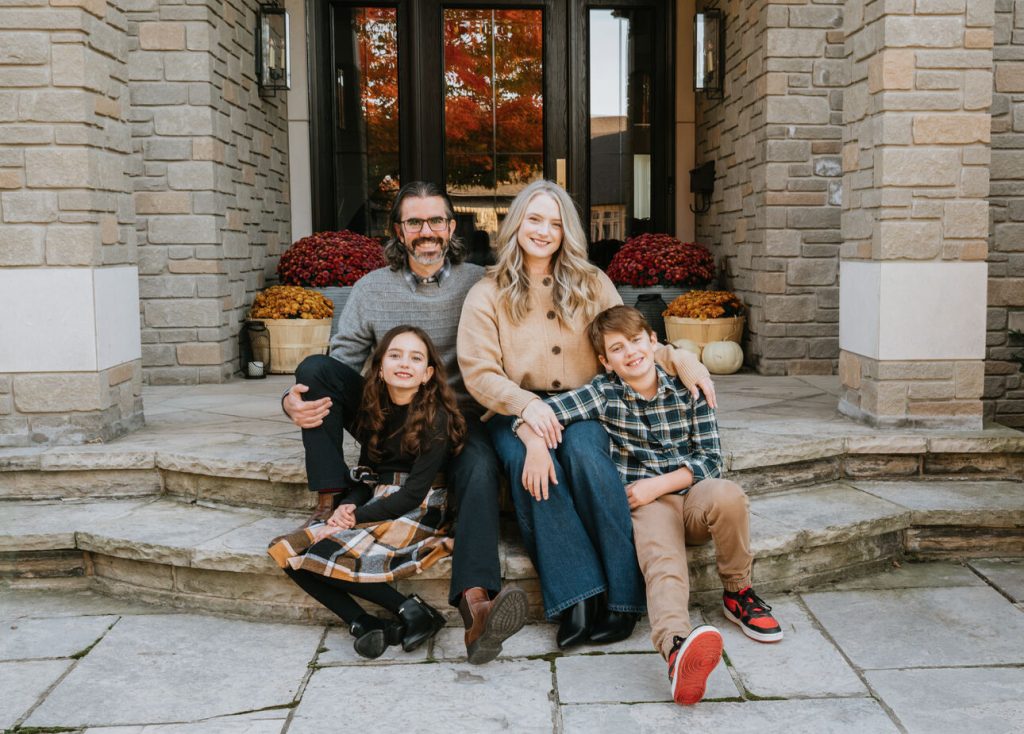
Jordan Zalter, a sales representative with RE/MAX Escarpment Realty, shares a similar perspective. He and his wife, Kim, are raising two children aged 11 and nine. “I try to keep work away from the kids as much as possible and set aside at least four days a week for school pickup,” he says. “I learned this lesson from my father, who is a retired physician, but I take pride in being able to be both a professional and a present father.”
Thanks, Dad!
Research shows that involved fathers make a measurable difference. Children with positively engaged fathers often demonstrate stronger cognitive development, improved emotional well-being, and better social outcomes.
In other words, the quiet transformation of fatherhood over the past half-century has reshaped both family and community. Today, men with busy work lives have found ways to commit fully to their families. Even better, career and family can be mutually inspiring.
“My goal in life is to leave a legacy to my family primarily and to my community,” says Sarmiento. “The most rewarding thing is to see the pride and joy in my daughters’ faces when they go to any of our stores and see, first-hand, all that their parents have built from scratch.”
Comments are closed.