
Category

Local History

Category

Museums carry more than just memories of the past, they can also provide a biography of someone’s talent, intellect, and ambition and the story of a life well-lived. 

Artist, dancer, military officer, physician, and United Nations worker, Grace Juliet Chisholm is such an example.  Born in Oakville on July 17th, 1902, Juliet was great-granddaughter to Oakville’s founder, William Chisholm. Her father, John Alexander Chisholm Jr., was an inventor and businessman, and her mother, Emelda Beeler Chisholm, became an influential social leader and philanthropist. 

Widowed when Juliet was only an infant, Emelda purchased Oakville’s Erchless Estate to keep the property in the family and serve as a summer home for herself, Juliet, and Juliet’s older sister, Hazel.  
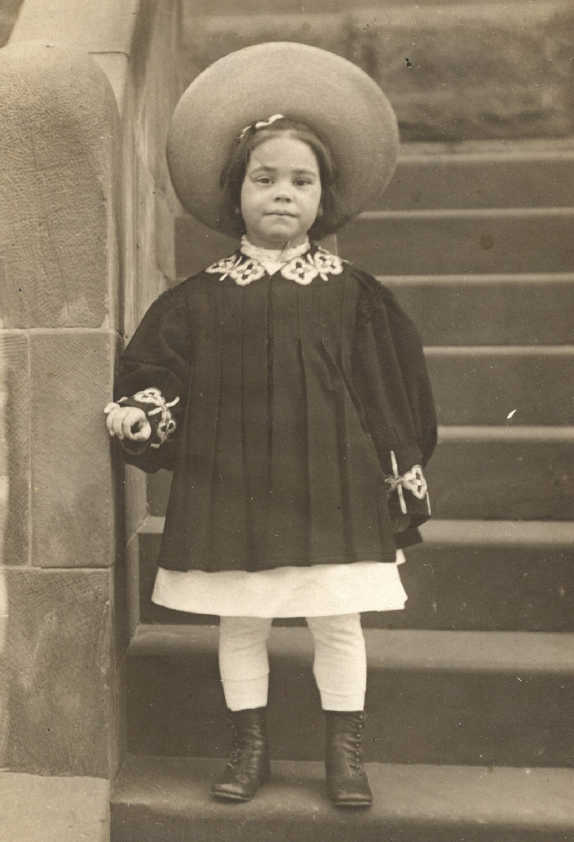
Talented and ambitious, Juliet studied at The Brearley School in New York City as a teenager, and was taught by influential artist, Kenneth Hayes Miller. However, this was just an early brush with high society and fame. In 1924, while enrolled at the prestigious Barnard College in Manhattan, she exhibited her work with artists Robert Henri, George Bellows, and Henri Matisse!

After graduating from Barnard College, Juliet travelled to Paris, where she studied at the École des Beaux-Arts. While in Paris, she mingled in the artistic atmosphere of contemporaries like Pablo Picasso, Ernest Hemingway, Gertrude Stein, and Simone de Beauvoir. In 1926, Juliet married playwright Robert Turney. In keeping with Emelda’s usual approach, the wedding spared no expense, with a ceremony at the American Cathedral followed by a reception at the Ritz Carlton Hotel. 
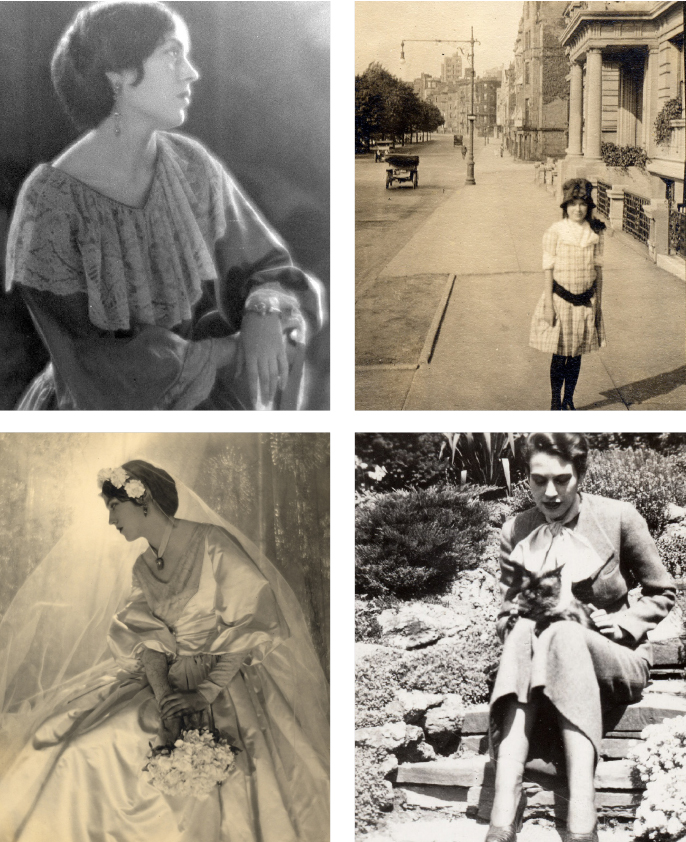
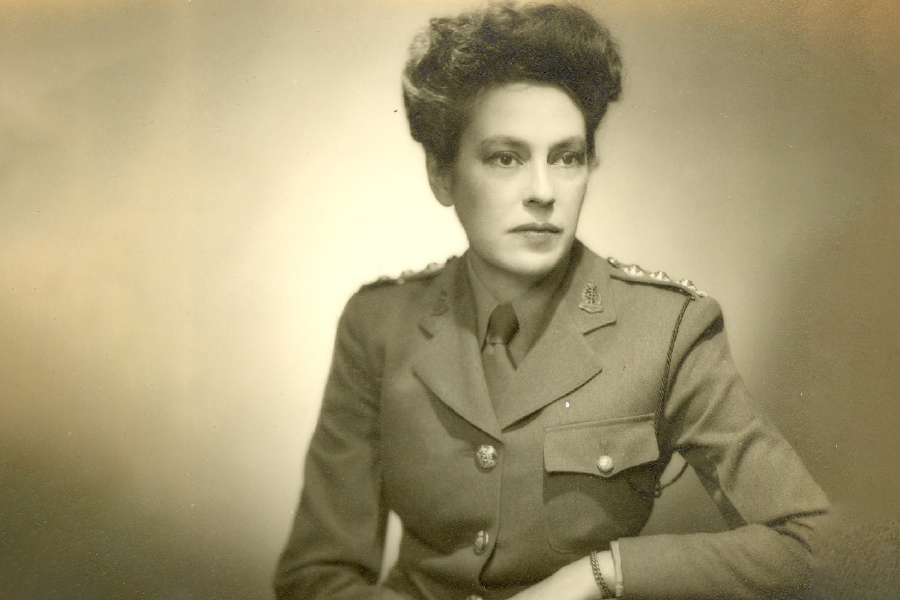
After several years together in France, Robert and Juliet separated amicably. Juliet, unconventional as ever, began a new path. She returned to the United States to take science courses in California. She eventually re-entered Barnard College to study Zoology before being admitted to McGill University’s Faculty of Medicine, graduating with a medical degree in 1940.  After completing her residency in pediatrics at The Hospital for Sick Children in Toronto in 1943, she enrolled in the Royal Canadian Medical Corps as a Captain and served for the remainder of the war years as a medical officer in Toronto, Ottawa, and Washington, D.C. 

Juliet recognized the need for civilian care in occupied areas during the war. She wrote to her second cousin, Brigadier General Dr. George Brock Chisholm, to suggest creating a special task force to help with this cause, and volunteered for such a posting. General Chisholm, who would later co-found the World Health Organization, knew that such an effort was being considered. Following the war, Juliet’s ambition was realized when she became the Acting Regional Medical Officer, United Nations Relief and Rehabilitation Administration (UNRRA) in Hunan, China, a province ravaged by post-war famine and disease. Ever the artist, while Juliet worked to alleviate suffering, she also captured the plight of the people through arresting black and white photography. 

Juliet returned to live at Erchless Estate in 1947, established a successful pediatric practice out of the Coach House, and was one of two women doctors in town at that time. Still an artist at heart, she continued to produce art and photography and followed other interests, including starting an experimental farm. 

When Juliet died in 1964, she left instructions that curators from the Royal Ontario Museum could review her possessions and make selections for the museum. Today, a fine lyra guitar that once graced Juliet’s home is on display in the ROM’s European Galleries. 

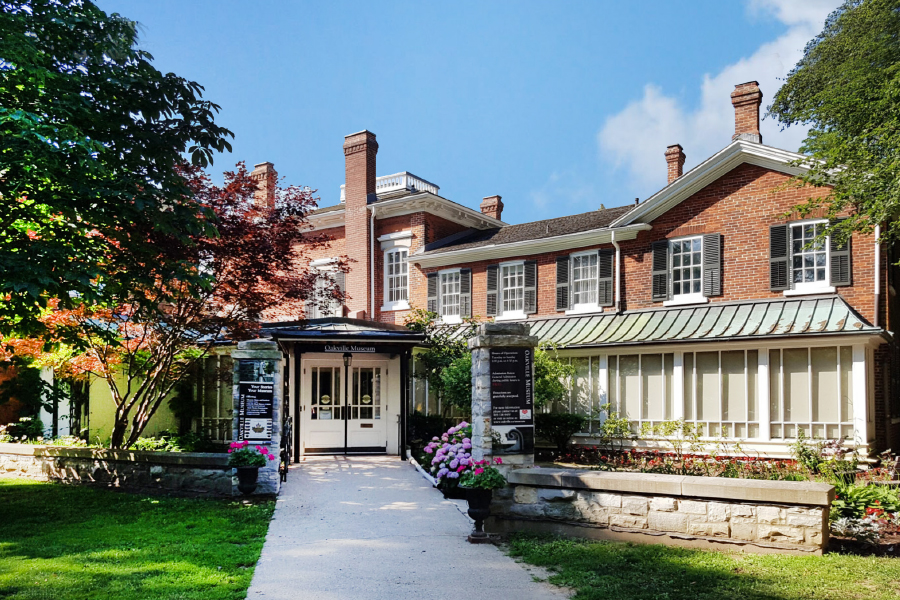
Juliet’s home and life are interwoven throughout what is now the Oakville Museum. The documents, pictures, and objects she left paint a striking portrait of her ambition, the force of her personality, and her keen sense of style, and they tell a powerful story of a women who made her way in the world on her own terms.

By Julian Kingston 
The name ‘La Salle’ can be found attached to everything from schools to entire cities. It probably conjures up an image of a “great explorer” but let’s dig a little deeper and uncover some of the risks in naming things after historical figures.

René-Robert Cavelier Sieur De La Salle was born in 1643 into a well-to-do merchant family in Rouen, France. Described by his Jesuit teachers as both talented and unquiet, he studied with them for several years before leaving the order, creating a rift between him and that powerful sect and an early showing of his talent for making enemies. 

Having few resources but many connections to New France, he made his way to the island of Montreal in 1667 where he obtained a seigneury from the Suplician Order of the Catholic Church. After a couple of years, he sold most of it back to the order, who had given it to him for nothing, netting a sum to fund his ambition of exploring the New World. He set out to find the Ohio River and what he thought would be a lucrative trading route to China, based on the prevalent hazy grasp of world geography. 

La Salle’s quest for the Ohio aligned with the missionary program of Suplician Dollier de Casson with whom he joined forces. That order, having assessed La Salle’s changeability, supplied one of their own, Bréhant de Galinée, as cartographer – although Galinée rated himself barely adequate for the task. Joining La Salle’s party was a Dutch interpreter, with little grasp of French, and so of little utility. Lacking a guide and with minimal experience in the woods, and as La Salle was an indifferent navigator, it is amazing that they got anywhere at all.  

They left Montreal in early July and had many challenges, yet by some wonder managed to reach Lake Ontario by August 10. One can reasonably assume that they had local Indigenous aid and guidance along the way. After some delays related to the Seneca having understandable misgivings about allowing the French access to the territories of their rivals, the party reached Burlington Bay in September 1669. Here La Salle came down with a fever which Galinée attributed to him being startled by three rattlesnakes he saw while climbing a rock. Not long after, La Salle informed the Suplicians that he was too ill to continue and would return to Montreal, except he didn’t return until at least ten months later.

It’s during this gap that La Salle’s biggest supporters claim he discovered the Ohio and Mississippi Rivers. Leaving aside the fact that these rivers were very well known to Indigenous Peoples and therefore didn’t need discovery, there’s no real evidence to support that he found either river between the fall of 1669 and the summer 1671 as has been claimed.

This is just the beginning of the stories of La Salle’s exploits, which ended in a series of tragedies and his eventual murder at the hands of his own men. Whatever his debatable accomplishments and skills as an explorer, it is indisputable that he had great perseverance and determination. It’s also clear that he was impulsive, erratic and often careless with the lives of his followers.

So why are so many places named after him? Essentially, his travels became the subject matter for popular histories, which were really adventure novels. The first was released in 1683 by Father Louis Hennepin, a missionary who had accompanied La Salle in person.  Even more influential were the late 19th century writings of Francis Parkman. The elevation of La Salle to legendary status, and the 254th anniversary of the man himself possibly being in the neighbourhood, was likely the impetus for local politicians deciding to change the name of Wabasso to La Salle Park in 1923.

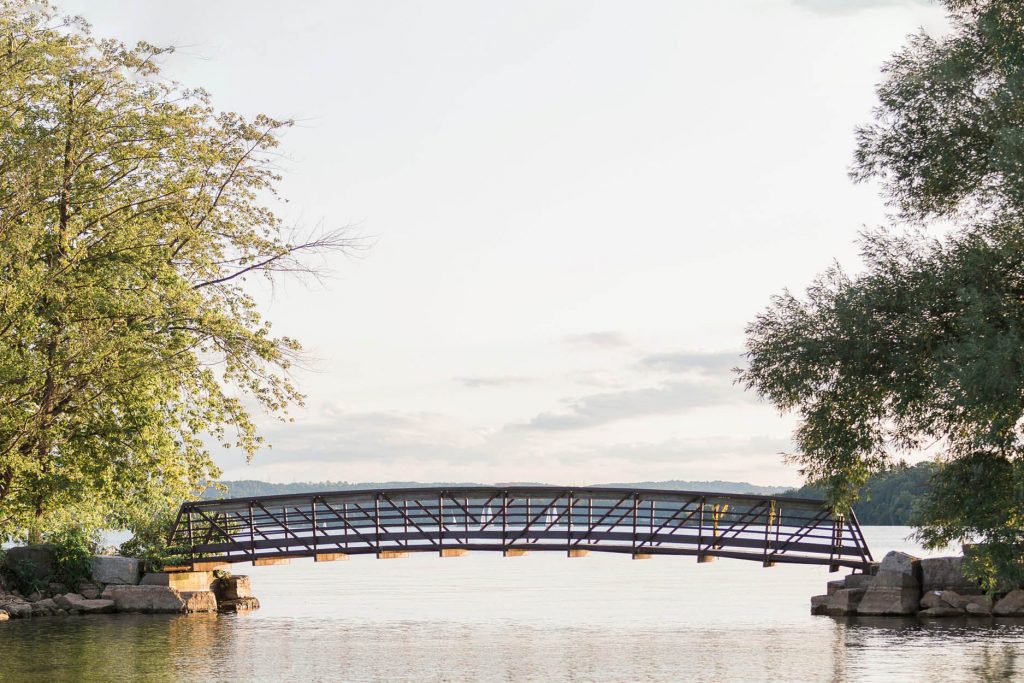
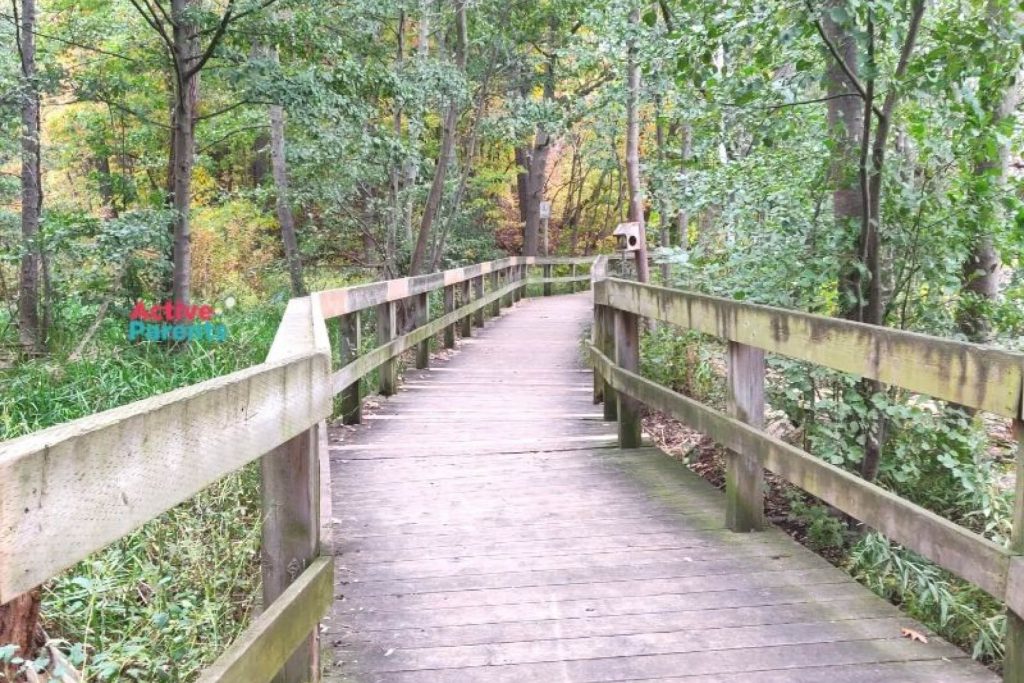
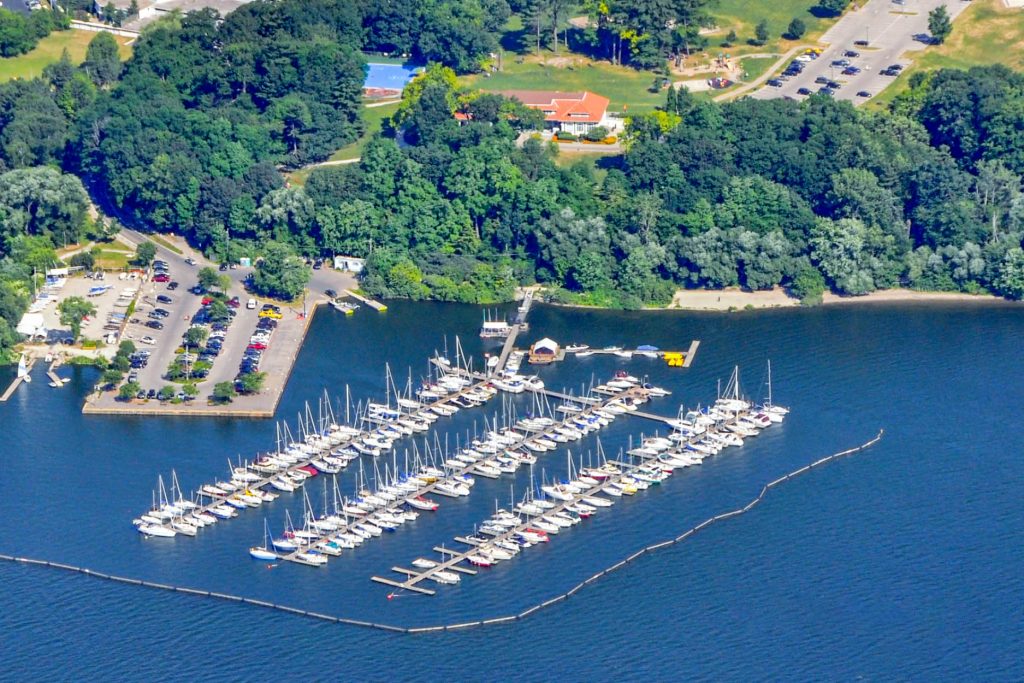
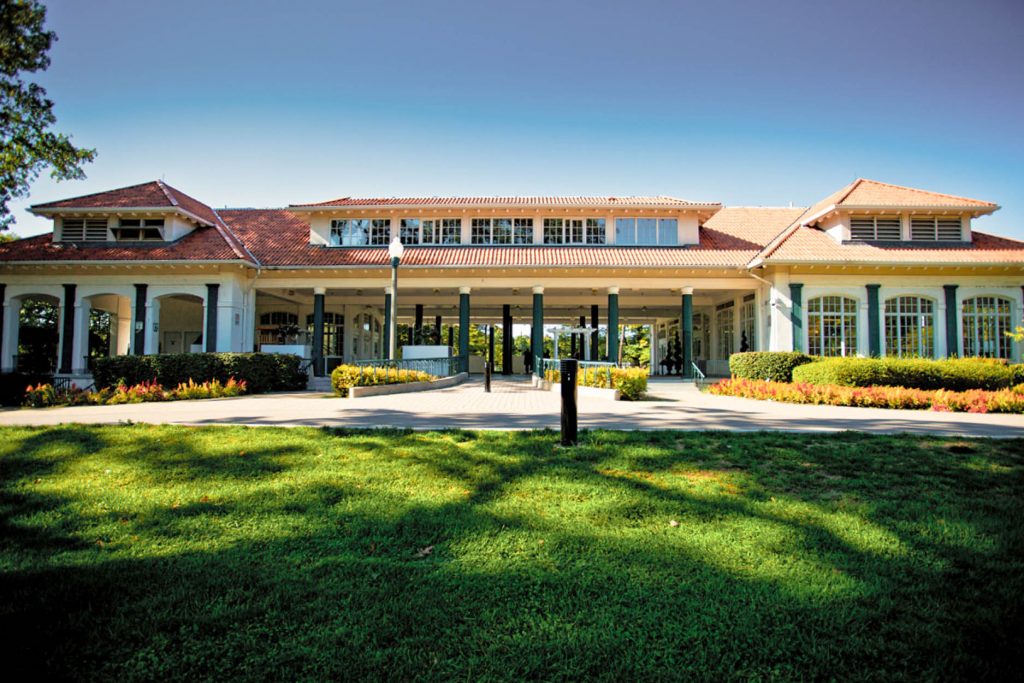
Leased by the City of Burlington today, visitors can enjoy the picturesque 1917 dancing pavilion, stately swans, hiking trails, and a kiddie splash pad. It’s definitely worth a visit even if there’s a lesser state of adventure than there was in 1669, as these days there’s no sign of rattlesnakes.