
I first felt the weight of Seasonal Affective Disorder (SAD) on my twentieth birthday. A January birthday already comes with “Blue Monday” energy, and when you add an Ontario winter, celebrating was the last thing on my mind. But once I discovered that what I was feeling had a name and practical ways to manage it, I finally started to see a little light at the end of this SAD tunnel.
SAD, in plain terms, is a mood dip that shows up in the darker months for some people. You might feel low energy, crave carbs, avoid plans, or just feel like an unmotivated, sad slug. The good news is there are expert backed strategies that can ease symptoms and help you enjoy a cozier winter instead of just surviving it.
Light up your life

Natural sunlight is more important than you might expect. I noticed a huge difference in my symptoms just by moving my desk from a dark basement corner to a room upstairs next to a sunny window. Getting outside within the first few hours of waking up, even for ten minutes, can make a real difference. If that’s not realistic because… winter, a light therapy lamp is the next best thing. The sweet spot is around 10,000 lux for about twenty to thirty minutes in the morning. You don’t stare into it (it’s not an eye exam). Just plunk it beside you while you eat breakfast or scroll through messages. If you start using it early in the fall, you might lessen symptoms before they fully hit.
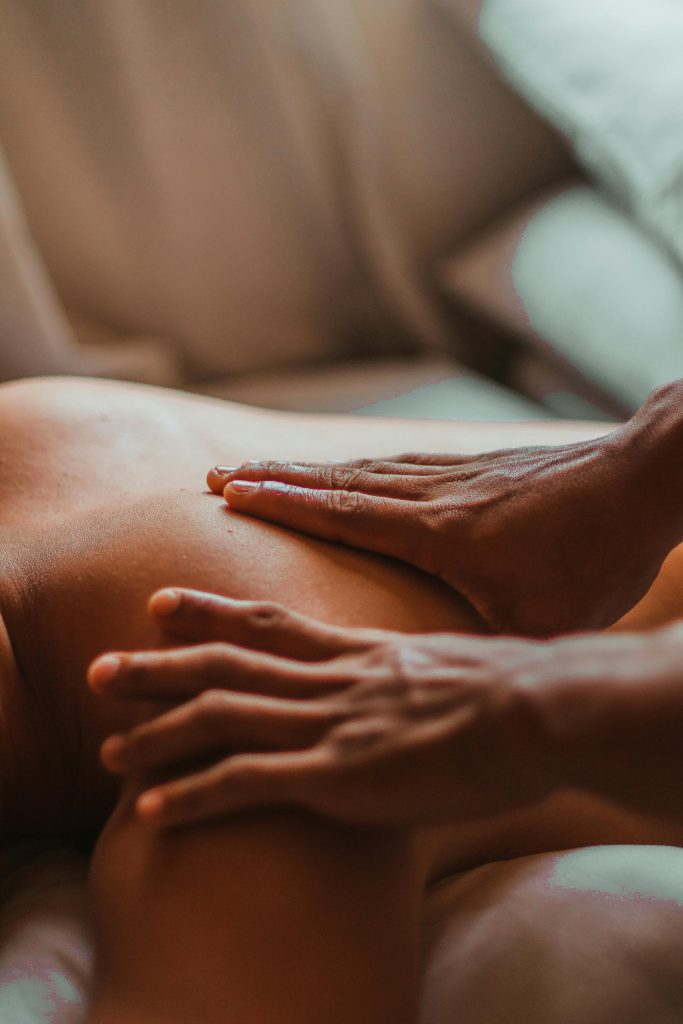
Tammy Sherwood, owner of Thrive Massage Therapy and Wellness, says that touch helps the body feel grounded and connected during the darker months. Physical contact, whether it’s massage, therapeutic touch, or even a warm hug, can boost oxytocin and lower stress hormones. That combo can lift your mood and reduce isolation.
Talk therapy is also beneficial. It gives you a safe space to unpack the emotional weight that comes with SAD so you feel understood instead of overwhelmed. Sherwood says her team often uses cognitive behavioural strategies to challenge unhelpful thoughts, mindfulness to manage stress, behavioural activation to rebuild routines, and grounding techniques to calm the nervous system.
While it’s important to check in with your family doctor to rule out anything medical, combining human connection with practical skills can make these months feel much more manageable.
You’ve got this
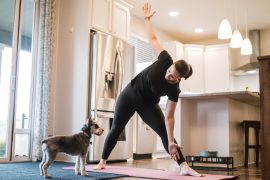
When seasonal affective disorder symptoms are at their worst, exercise can feel daunting. Still, even light movement, such as a brisk walk outdoors, using a walking pad indoors, or climbing stairs, can help improve mood, says Dr. Jane Shou, naturopathic doctor at Pillars of Wellness.
Consistent sleep is also important. Dr. Shou recommends keeping regular bedtimes and wake times, limiting long afternoon naps, and maintaining some level of social connection, noting that even brief interactions can support emotional wellbeing.
Consistent sleep is also important. Dr. Shou recommends keeping regular bedtimes and wake times, limiting long afternoon naps, and maintaining some level of social connection, noting that even brief interactions can support emotional wellbeing.
“Vitamin D is another key factor, particularly in northern climates where deficiency is common in winter,” Shou says. “Supplement needs vary by individual, so it’s important to speak with a healthcare provider about appropriate dosing. From a nutrition standpoint, balanced meals matter. While carbohydrate cravings are common, too much sugar can negatively affect energy and mood.”

Creating a snuggly space can bring you actual joy. Heard of Hygge (hoo-gah)? It’s my family’s new “thing.” It’s basically the art of getting cozy and feeling good by enjoying simple things like warm lighting, comforting snacks, good friends, and chill vibes. It’s about slowing down, being present, and making ordinary moments feel soothing.
Of course, if your symptoms get heavy or nothing seems to help, reach out to a medical professional right away.
Once I figured out what worked for me, everything shifted. My January birthday actually became a party again! Try a few of these ideas and see what works for you.
By Lisa Thornbury
Local Links:
Pillars of Wellness
100 Plains Rd W # 16, Burlington
pillarsofwellness.ca
Thrive Massage Therapy & Wellness
2289 Fairview St Unit #318, Burlington
thrivemassagewellness.com
Mind and Body Spa
Mindbodyspa.ca
760 Brant St Unit 47, Burlington