

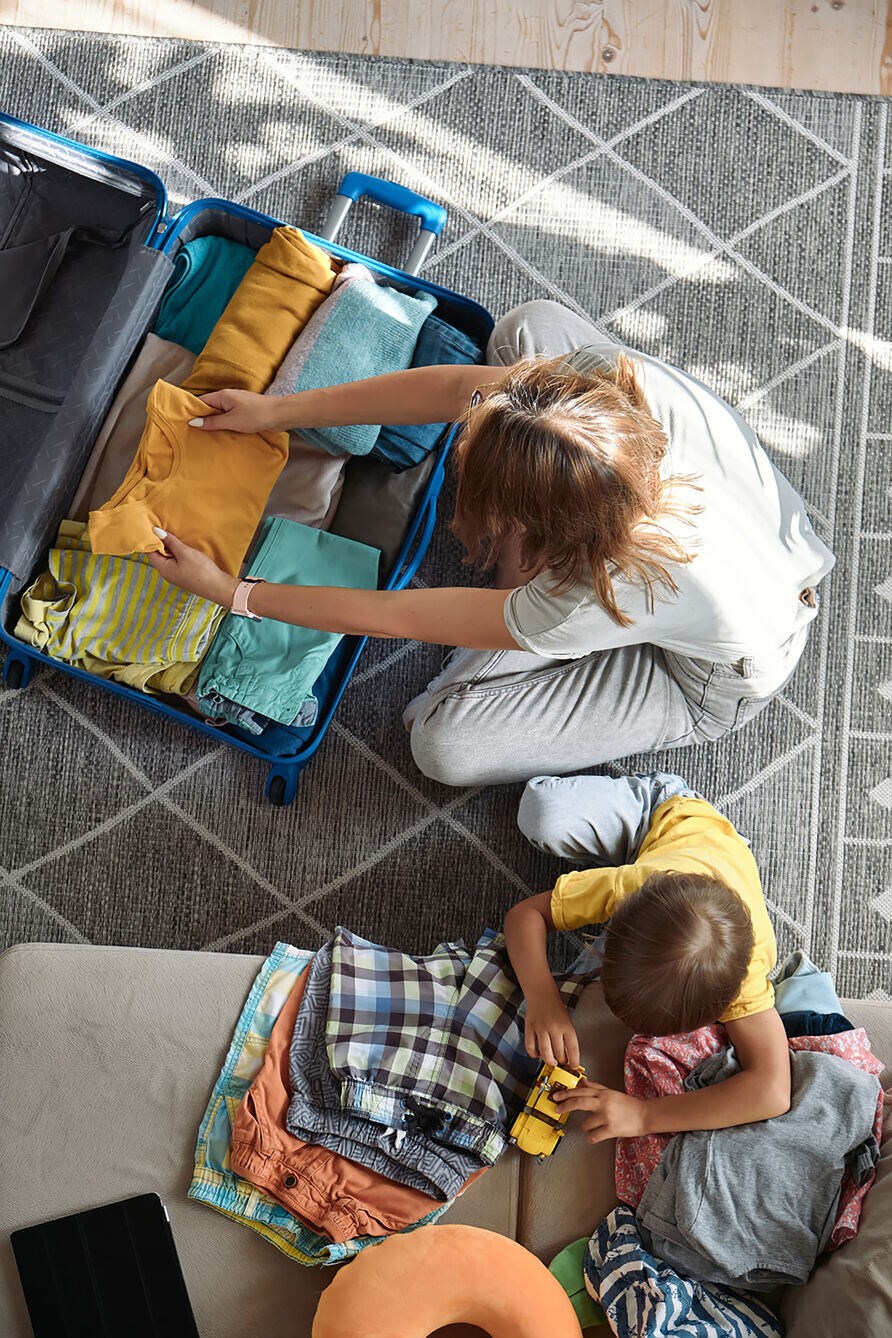
When children are preparing to spend time away from home, they aren’t usually thinking about what’s practical. They’re thinking about what makes them feel comfortable.
One week before every trip to the cottage, my daughter starts to pack her personal essentials: six stuffies, two bathing “soups,” her favourite book, a picture of her and her bestie, and approximately seven lip balms. Apparently one can never be too prepared when it comes to lip care, even at five.
My boys have entirely different priorities: three Nerf guns, a Nintendo Switch strategically buried under a pile of clothing, and their favourite blanket. Notice I didn’t mention underwear. Not a single pair. I’ve stopped paying attention to what my kids forget and started focusing on what they never leave behind.
Whether your child is heading to sleepaway camp or spending their summer at a local day camp, a little preparation can help them feel ready for the adventure ahead.
Make the unfamiliar feel familiar
A lot of camp nerves come from not knowing what to expect. Before camp begins, talk through what the day might look like. Where will they eat lunch? Sleep? What activities might they try? Who can they go to if they need help? If the camp has photos online, take a look through them together.
If possible, drive by the camp beforehand so they can see where they’ll be dropped off and picked up. This helps to build a picture of what your child can expect.
Practise the little things
Sometimes the biggest challenges at camp have nothing to do with camp at all. Can they open and refill their water bottle? Apply sunscreen? Unzip their backpack? Open their lunch containers? A few practice runs at home can go a long way.
The more comfortable children are managing these small tasks independently, the less frustrating their day becomes and the more energy they can spend making friends, trying new activities, and having fun.
Let them pack seven lip balms
(Okay, seven might be excessive)
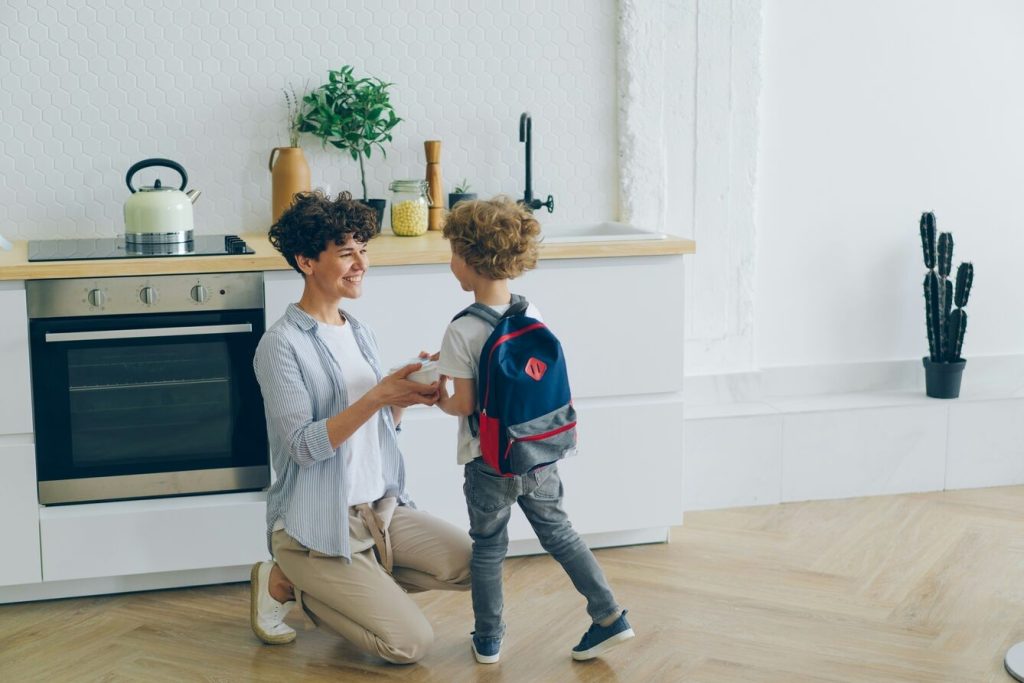
Most camps provide a packing list, but kids have their own idea of what’s essential. Along with sunscreen, a labelled water bottle, bug spray, and extra clothes, think about what will help your child feel comfortable throughout the day. It could be a favourite stuffed animal, some family photos, or a rainbow of fruity lip balms.
If possible, pack together and let your child have some input. Giving children some ownership over the packing process can help them feel more prepared and in control.
Create a connection point
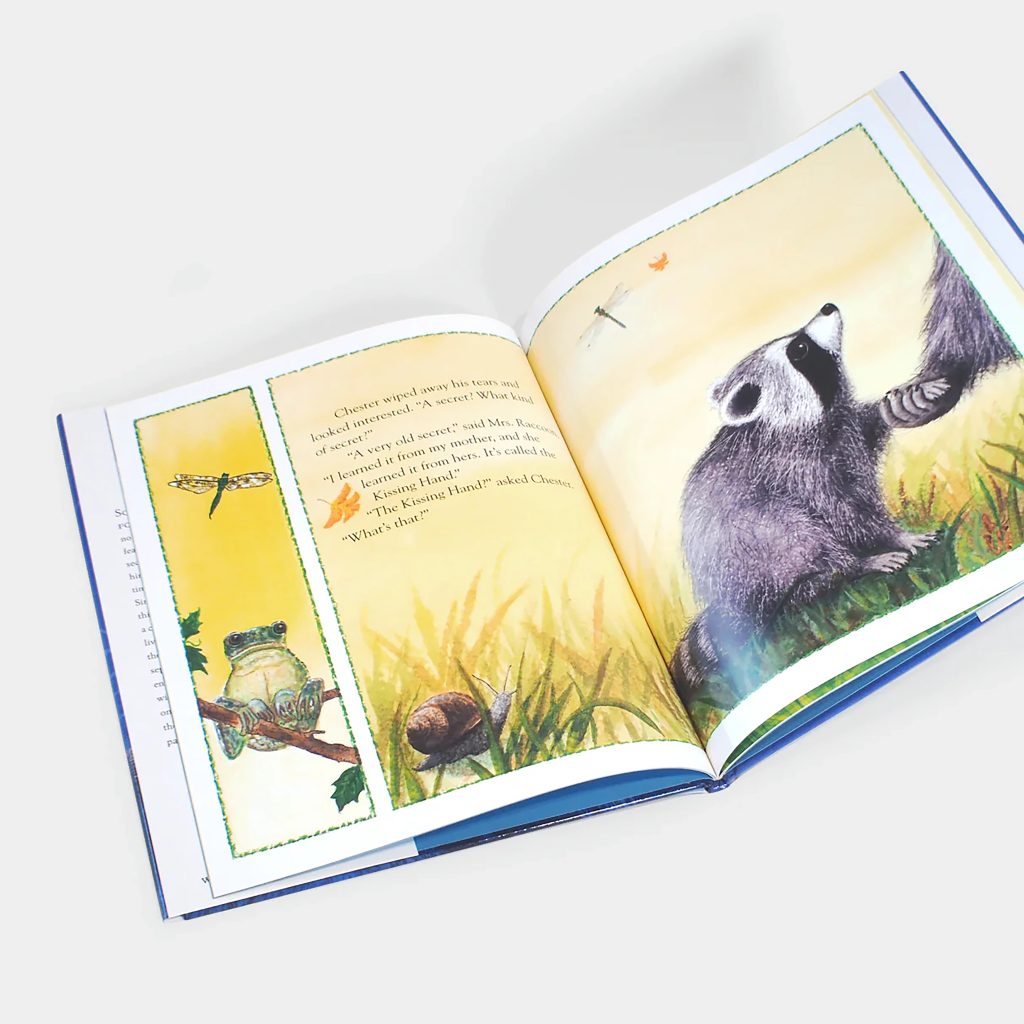
A great book to help children navigate time away from home is The Kissing Hand. The story centres around a simple idea: even when we’re apart, we’re still connected.
For our family, that looks like a small heart drawn on the hand before a big day. I’ll give it a kiss and remind my kids that if they’re feeling nervous, they can look down and know I’m thinking about them.
Other families tuck notes into lunch bags, pack a family photo, or create a special goodbye ritual before drop-off. The gesture itself doesn’t matter nearly as much as the message behind it: you’re connected, even when you’re apart.
Expect some nerves
Many children feel a mix of excitement and uncertainty before spending time away from home. Rather than saying they shouldn’t feel nervous, acknowledge what they’re feeling and keep the conversation open.
Ask questions like: “What part are you most excited about?” “What part are you most worried about?”
Giving children space to talk through their concerns can help them feel heard and supported.
It’s also worth remembering that confidence often comes after an experience, not before it. Camp gives children opportunities to make decisions independently, solve small problems, meet new people, and try things without a parent stepping in immediately.
A little preparation can go a long way toward helping children feel ready for the adventure ahead.
By Anneliese Lawton
Comments are closed.