

My grandmother never did anything history would call “big.” Her name won’t appear in a textbook or on the side of a building. But every time I drive past what remains of the old General Electric plant along the QEW, I see her.
Her name was Anneliese, like mine.
She passed away from breast cancer at 58, only ten days before I turned two. I don’t remember her voice or the way she laughed, but it wouldn’t be true to say I never knew her.
I know her through stories.
She came to Canada from Germany in the early 1950s and worked as an au pair for a wealthy Oakville family. When they asked her to relocate with them to the United States, she chose to stay. Instead, she went to work making light bulbs at the Canadian General Electric lamp plant.
She worked on the factory floor alongside other women while Oakville grew around them, changing from a small lakeside town into an industrial community. Through my family’s stories, I know she was brave enough to leave everything familiar and cross an ocean. I know she worked hard, built a home and raised her family here.
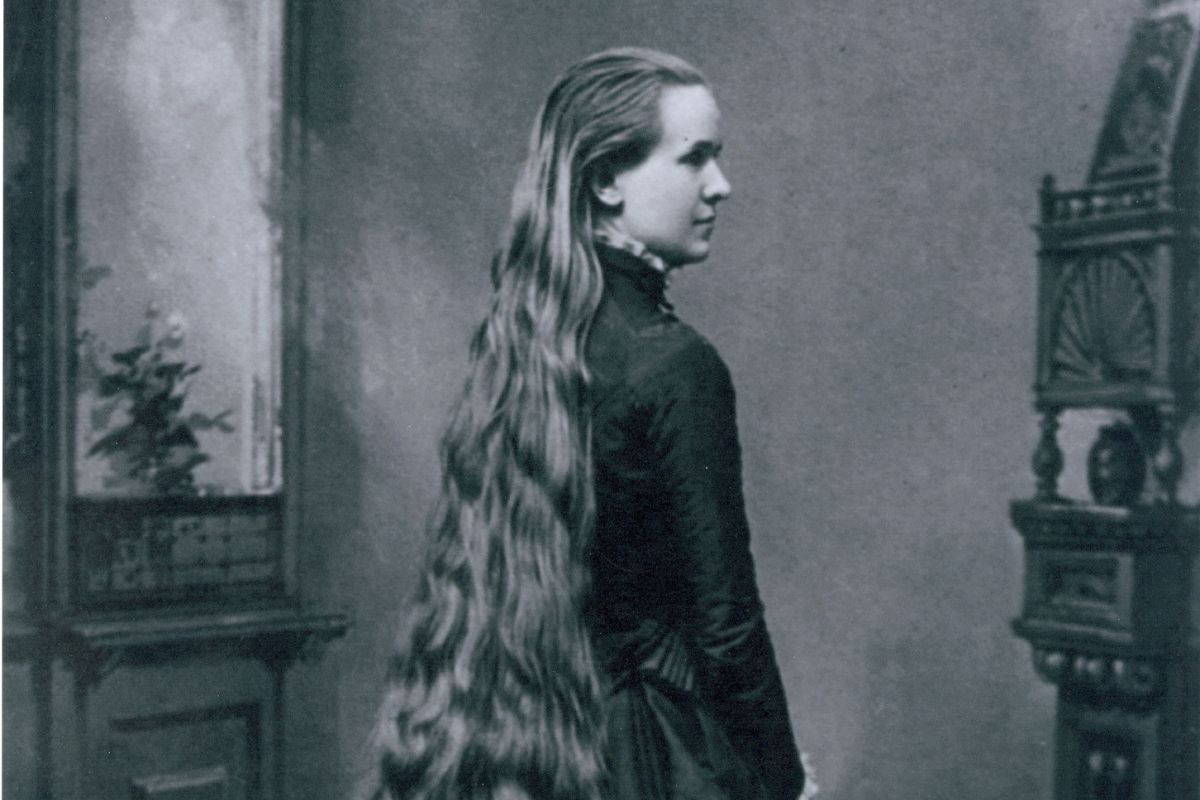
When I began learning about Hazel Chisholm Mathews and Martha Matilda Harper, I found pieces of my grandmother’s story in theirs. Like her, Martha began her working life in someone else’s home. And Hazel did for Oakville what my family’s stories did for me: preserved the details that turn a name from the past into someone we can still know.
Hazel Chisholm Mathews: The Woman Who Made Sure Oakville Remembered
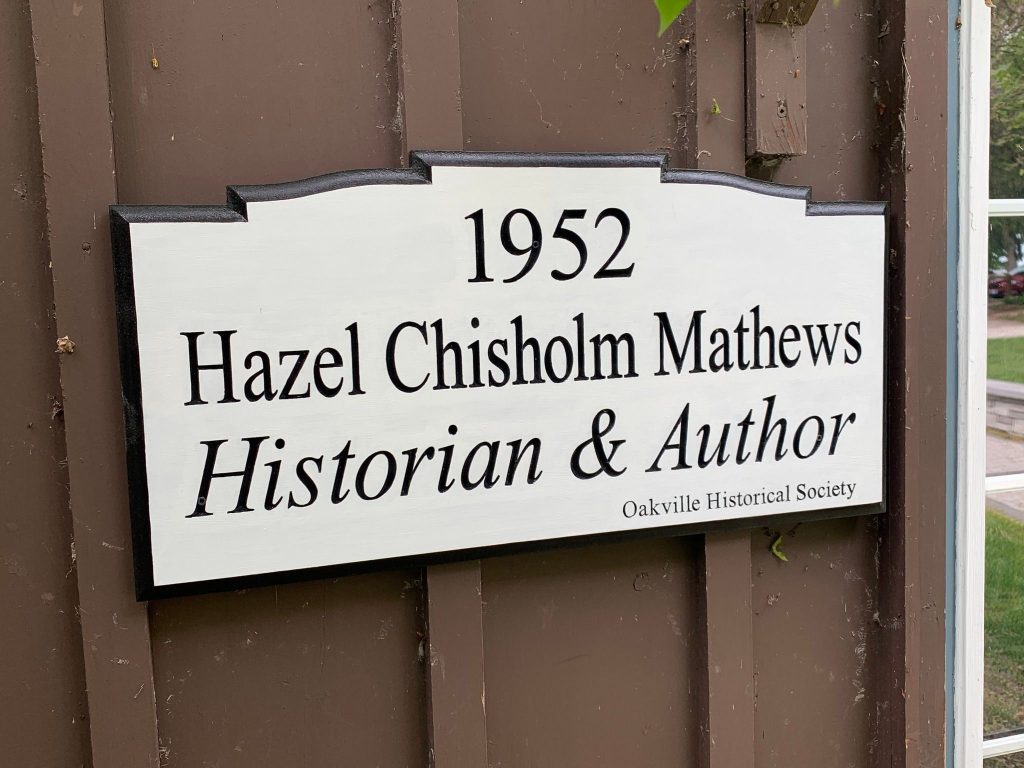
It is difficult to tell the story of Oakville’s past without encountering Hazel Chisholm Mathews. A great-granddaughter of Oakville founder William Chisholm, Hazel inherited a deep connection to the town, but rather than simply looking back on her family’s place in its history, she devoted herself to preserving the stories, places and records that belonged to the wider community.
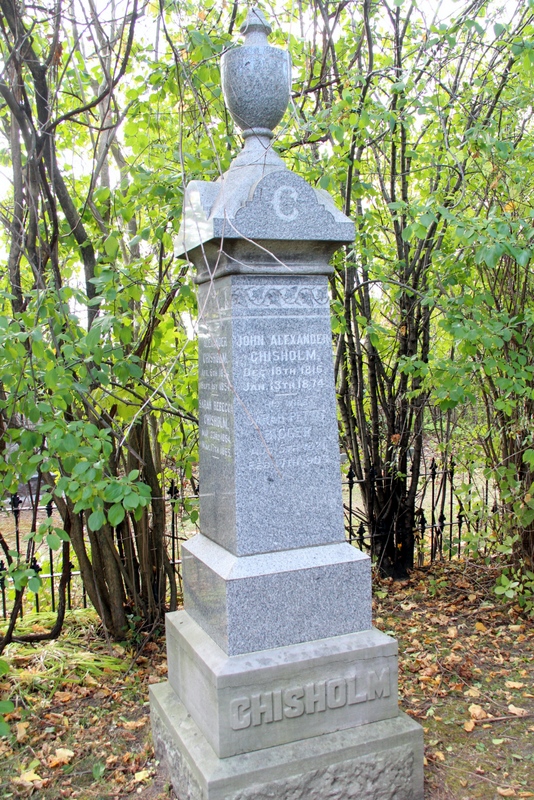
Hazel studied original documents, photographs, account books and family papers, interviewed local residents, and connected the stories she uncovered. Her research became her 1953 book “Oakville and the Sixteen”, preserving a detailed record of the community she cared for so deeply.
Hazel understood that local history could easily disappear if no one took the time to collect it, document it and share it. She helped establish the Oakville Historical Society, and her work laid the foundation for what would become the Oakville Museum.
Fittingly, Oakville’s first museum opened in the Old Post Office and is still operated by the Museum today, along with Erchless Estate, where six generations of the Chisholm family lived.
Martha Matilda Harper: The Woman Who Opened Doors
Martha Matilda Harper’s remarkable story began in Munn’s Corners, a small rural community that is now part of north Oakville. Born there in 1857, Harper came from modest beginnings and was sent away from home as a young girl to work as a domestic servant. Her path would eventually take her to Rochester, New York, and to an idea that was well ahead of its time.
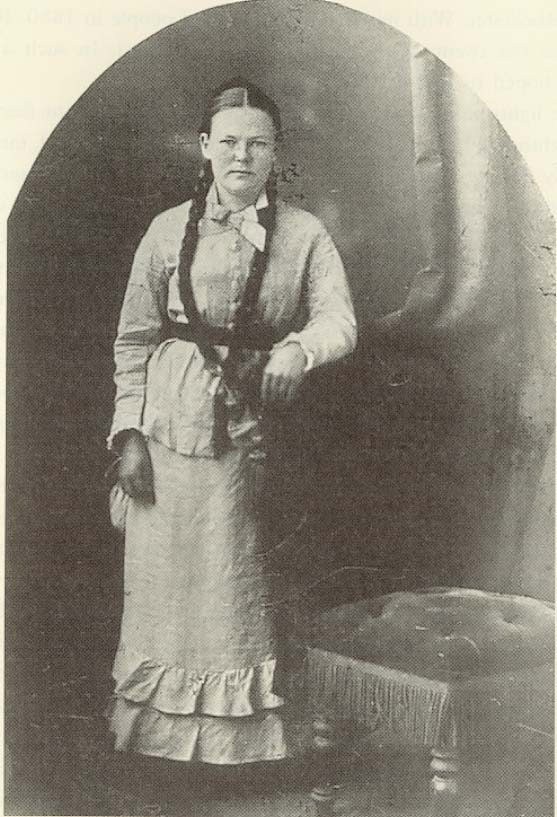
In 1888, Martha transformed her knowledge of hair and scalp care into the Harper Method and opened her own salon, The Harper Method Hair Parlour. She built a successful business around her own hair-care products and approach to beauty and helped pioneer the modern salon experience. But her greatest innovation may have been how she chose to grow the business. Harper developed one of North America’s earliest franchise systems, giving other women the opportunity to operate Harper Method salons and become business owners themselves.
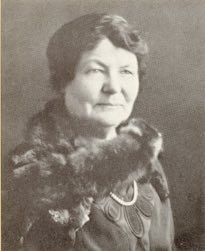
At a time when women had few avenues to financial independence, Harper created one. At its height, her network included more than 500 salons worldwide and created opportunities for generations of women, helping to redefine what was possible for women in business.
Together, Hazel, Martha and my grandmother take us through three different versions of Oakville: the rural community where Martha was born, the harbour town Hazel preserved and the industrial town my grandmother helped build.
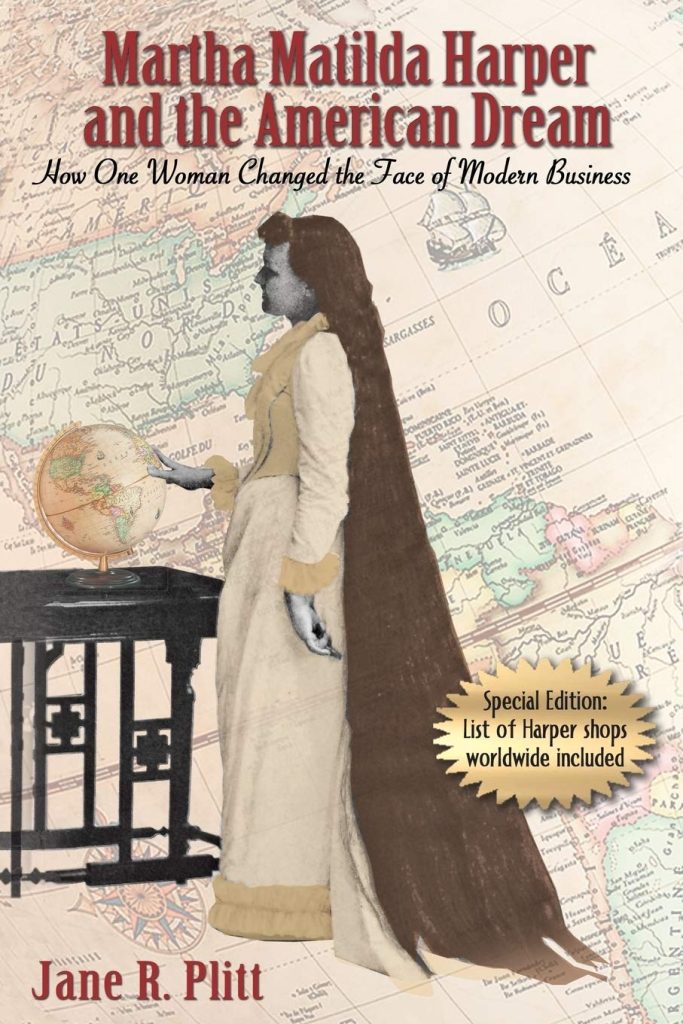
Their lives looked very different, but each left something behind that reached far beyond her own.
By Anneliese Lawton
Comments are closed.