

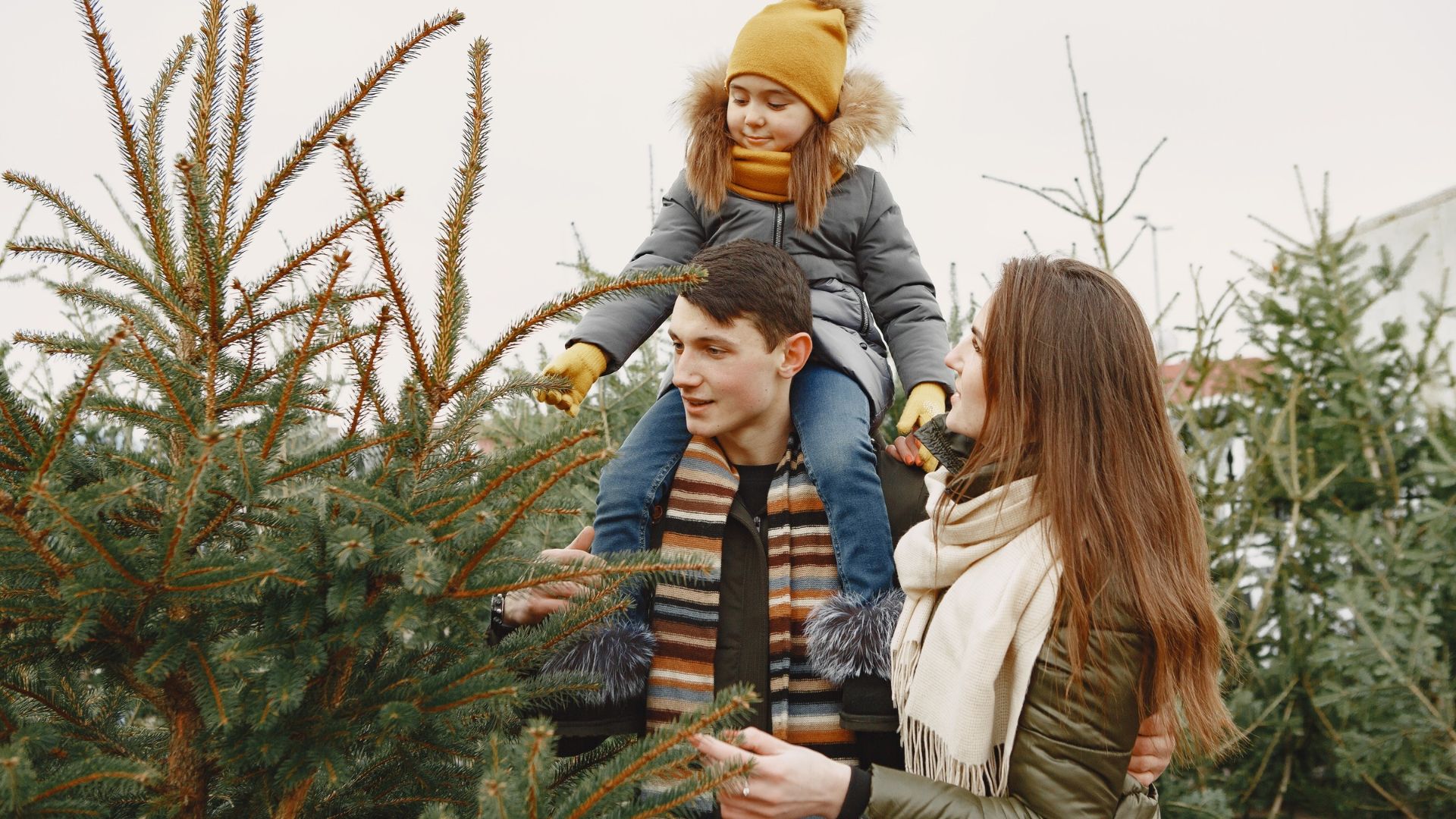
Every Christmas tree has a story. It begins in a field, where a tiny seedling spends years growing into a holiday showpiece. Once home, it becomes part of the magic — dressed in twinkling lights, holding cherished ornaments and maybe even surviving a curious cat. And when its time in the living room is over? That may just be the beginning of its biggest job yet.
From Nature’s Womb
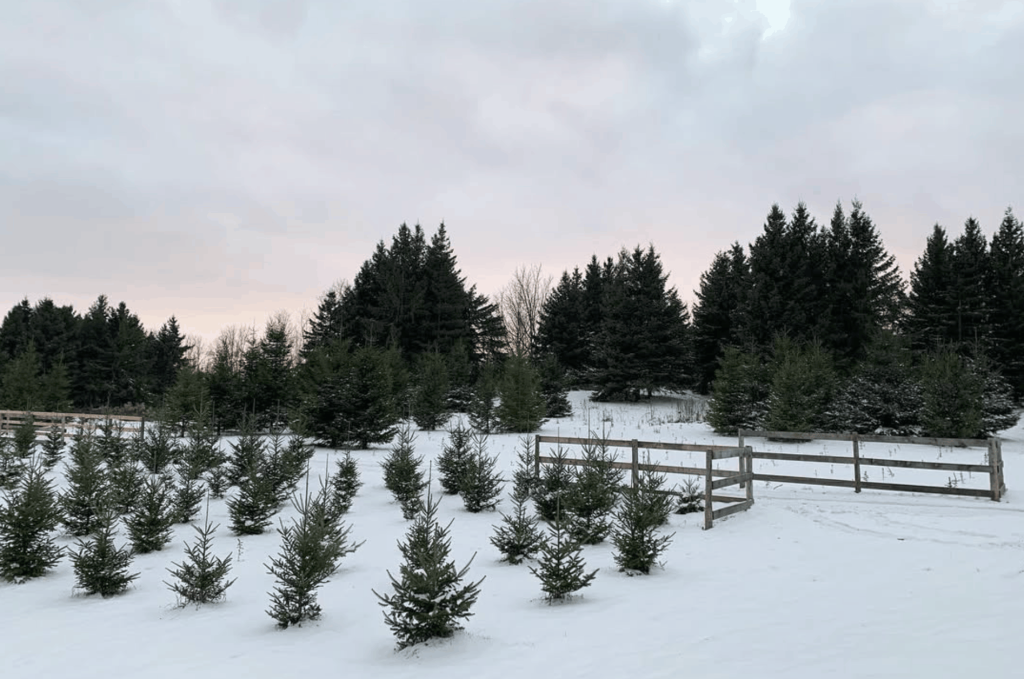
Before a tree can make its grand entrance into your living room, it has some growing up to do. Christmas trees typically take seven to 10 years to reach eight feet tall from the time they are planted as seedlings.
“We usually order in two-year seedlings and plant, every spring, approximately 500-1000 trees yearly,” says Hepburn’s Christmas Trees in Waterdown, who grow Norway Spruce, White Spruce and bring in pre-cut Balsam Fir trees from New Brunswick.
Choosing a Tree: Fir, Pine or Spruce?
From needle shape and branch strength to growth rate and needle retention, each tree variety has its own characteristics. Which is right for you? It comes down to personal preference.
Balsam Fir – A popular Christmas classic, fir trees have rigid needles that aren’t pointy, making them comfortable to handle. “They’re not prickly,” says Tom Morelli of Andrew’s Tree Farm in Ancaster, who also grows Balsam Fir, Scotch Pine, White Pine, and Norway Spruce.
Fir trees also tend to hold onto their needles better than some other varieties, an important consideration when your tree is expected to survive a few weeks of holiday festivities. “Typically fir trees have better needle retention. They tend to last longer inside the house,” says Morelli.
Scotch Pine – These fast-growing trees are a strong contender for households with plenty of decorations. “They have a longer needle and fairly rigid branch so ornaments hang well on them,” says Morelli.
White Pine – This tree has a more relaxed, droopy appearance with long, soft needles and flimsy branches. “It’s not great for holding ornaments,” says Morelli.
Norway Spruce – A traditional spruce option, this tree has sharper, pricklier needles and a classic evergreen look that gives it a distinctly old-fashioned Christmas feel. On the downside, these trees also dry out and drop their needles faster than other varieties.
When to Get Your Tree
Most Christmas tree farms open in mid to late November. How long a tree can last indoors depends on a number of factors, including room temperature and hydration. A well-hydrated tree in a cooler room generally has a better chance of making it through the holidays. Buying a tree too early increases the risk of drying, brittle branches and premature needle drop before Christmas Day.
The Lopsided Tree
Not every Christmas tree grows up to be a magazine showstopper. Some develop gaps, uneven branches or lean to one side. Morelli says those less-than-perfect trees can often be reshaped, with a year or two of growth helping them bounce back into a more desirable form.
At Hepburn’s Christmas Trees, those that don’t grow to meet Christmas tree standards are put to work as greens that can be used for seasonal decorating, wreaths and other festive arrangements.
The Christmas Tree’s Second Act
For many households, taking the Christmas tree to the curb marks the end of the holiday season. At the Royal Botanical Gardens (RBG), it can mark the start of restoration work, giving your holiday tree a chance to be an environmental star.
Jennifer Bowman, RBG’s Senior Ecologist, Aquatic Conservation Programs, says discarded Christmas trees help stabilize creek banks, control erosion, block invasive non-native carp and protect newly planted vegetation from waterfowl and waves. At Cootes Paradise, Christmas trees have also helped track a developing creek channel in the Spencer Creek Delta project.
The RBG typically seeks donation pledges in December. Register your tree on the RBG website, where you can select a drop-off location and check dates and times.
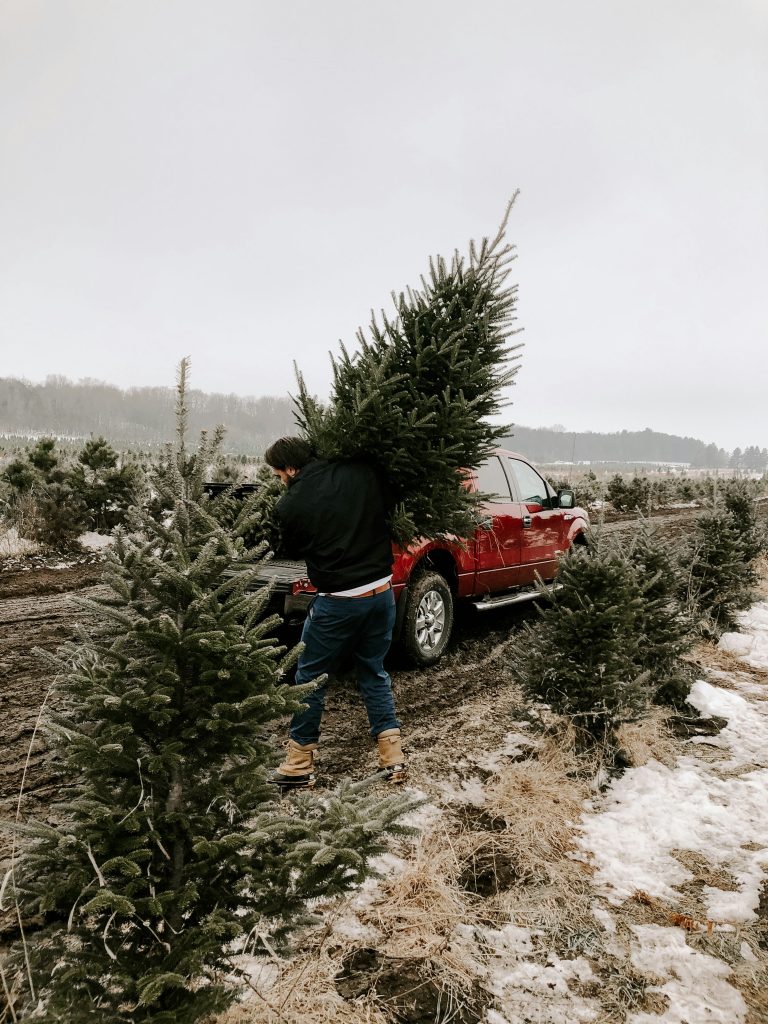
Where to Buy a Christmas Tree:
Andrew’s Tree Farm – 1865 Wilson Street West, Jerseyville
Hepburn’s Christmas Trees – 432 Concession 5 West, Waterdown
Mark’s Christmas Trees – 1233 Safari Road, Millgrove
Merry Farms – 1974 Concession 2 Road West, Lynden
Jingle Bills Christmas Tree Farm – 7373 Concession 1, Puslinch
By Lisa Evans
Comments are closed.