
Author

trinity

Browsing

Singing feels great, whether you’re in the shower, at a karaoke bar, or in the car. Imagine that feeling magnified tenfold or even a hundredfold. That’s how it feels to sing in a choir. You open your mouth and hear the kind of music – big music – that’s only possible with a room full of voices.

As winter approaches, people all over the region are meeting in halls, basements and churches to learn and practise choral arrangements. Many do this year after year because they’re hooked on the result: performing at a concert, where their beautifully blended voices will fill the air and thrill an audience.

Choirs are not just for music prodigies. While some audition their members to ensure a certain level of competency, others are open to anyone who loves to sing. Tempus Choral Society is a non-auditioned community SATB (soprano, alto, tenor, bass) choir whose repertoire consists of “songs from different genres including Broadway classics, folk tunes, jazz hits, and classic pieces,” says member Catherine Ross. “We aim for a light, lively style that is fun to sing and engaging for all audience members.”

Although the ability to read music will make practice easier, Ross explains, many choristers just listen to the recorded parts for their voice and learn by listening and singing along. After a few rehearsals, all singers get to know the songs regardless of whether or not they can read the notes.

At Circle of Harmony, potential new members commit to a nine-week program that involves getting to know the chorus, understanding which part best suits their voice, and learning a song along with existing members. After the nine weeks, there’s an audition for which they are well prepared. 

Circle of Harmony is an award-winning choir that sings a capella (unaccompanied by instruments). “We are part of the Sweet Adelines International organization and sing in a barbershop style,” says Susan Vaz, proud member and PR Chair. ‘This means that the four parts create ringing chords and amazing harmonies. The works we perform span the decades from standards, to musical theatre, and even Queen!”

The members of Circle of Harmony, ranging in age from 20s to 80s, form friendships that last a lifetime. Their performances engage audiences with their “passionate singing” and “energetic choreography,” Vaz says. 

Good for the soul

Oakville, Burlington and surrounding areas boast an impressive number and variety of choirs that perform everything from pop to jazz to classical. These choirs welcome members from all walks of life. 

Masterworks of Oakville is an auditioned choir that performs the great works of the Western choral tradition. Members pride themselves on performing challenging works that are rarely performed outside of metropolitan centres.

Virginia Barsenbach, a member of Masterworks of Oakville, sings the praises of her choir: “I love the music that we sing, and I’ve formed a lot of friendships,” she says. “It’s so wonderful to finally sing the concerts for our community after all the hard work that we do to learn the pieces.”

Aside from camaraderie and the unbridled joy of making music, singing in a choir is scientifically proven to be good for you. “Learning new songs stimulates memory and cognition while the deeper, controlled breathing is good for the lungs and heart,” says Ross from Tempus Choral Society. “Did I mention the high one gets when performing? It is really hard to be unhappy when you sing harmony with others!”

LOCAL LINKS

Circle of Harmony
circleofharmony.ca

Masterworks of Oakville Chorus & Orchestra
masterworksofoakville.ca

Tempus Choral Society
tempuschoralsociety.com

BY MICHELLE MORRA

Every November 11th at 11:00 a.m., Canadians pause to remember those who have served our country in times of war, conflict, and peace.

2025 is a particularly important milestone, marking the 80th anniversary of the end of the Second World War. As generations pass, fewer veterans from the two World Wars are still living — Burlington’s last living WWII veteran is 101 years old — making Remembrance Day even more important to ensure their stories and sacrifices aren’t lost.

For Barry Moore, Remembrance Day is a time to honour not only those who served in the Great Wars, but recent veterans as well. Moore reminds us that Canada has over 465,000 veterans alive today who have served in global conflicts including Rwanda, Desert Storm and Afghanistan.

Moore has been a member of the Royal Canadian Legion Branch 60 in Burlington for 40 years and now runs the branch’s poppy campaign. To him, wearing the poppy is a display of gratitude. “It’s our way of saying thank you for something we could never really repay.”

Veteran Robert Thomas, who served in Cyprus, the Sinai Desert, Gaza and Beirut, says Remembrance Day is particularly important for youth to understand that the freedoms we enjoy today came at a cost. “We owe a lot to the men and women who have served our country, and those who are presently serving our country,” says Thomas, a member of the Royal Canadian Legion Branch 551 in Waterdown.

Remembrance Day offers an opportunity to parents and educators to teach children about Canada’s military history in global conflict. A visit to the Waterdown Museum of Hope provides an opportunity to learn about the Holocaust, the two World Wars, Afghanistan and Korea. The museum is free to enter and is open during Waterdown Legion hours.

Wear a poppy. “It’s our way of saying thank you for something we could never really repay.”
BARRY MOORE, ROYAL CANADIAN LEGION BRANCH 60, BURLINGTON


Remembrance Day also offers an opportunity to display Canadian pride. “As Canadians, we’ve got a lot of respect around the world,” says Thomas. “We don’t take a lot of baggage with us, and we’re not there to take people’s country. We’re there to be honest brokers to try to prevent war,” he says.

Moore says he has seen a surge in Remembrance Day participation from newcomers. “New Canadians from countries who have seen war and know what it’s about, and really appreciate the freedom that we have here, understand the sacrifice it took for us to have that,” he says.

How to Participate in Remembrance Day

While Remembrance Day isn’t a full statutory holiday in Ontario, there are many ways you can participate and honour those who made the ultimate sacrifice.

Wear a Poppy

The poppy has been a symbol of remembrance in Canada since 1921. Poppy sales help to support veterans and their families.

Observe Two Minutes of Silence

The end of the First World War was announced at 11:00 am on November 11, 1918. It’s in remembrance of this important moment in history that Canadians pause at exactly 11:00 am on November 11th for two minutes of silence to recognize the sacrifices of all who served.

Attend a Local Ceremony

Several Remembrance Day ceremonies take place in our community. A notable one is the Burlington Remembrance Day Parade. Starting at Central High School, the parade of armoured jeeps, marching veterans and the Burlington Teen Tour Band concludes with a ceremony beside City Hall. Planes fly overhead, making this a spectacular show of Remembrance.

Lest we forget.

LOCAL LINKS

Visit a branch of the Royal Canadian Legion to meet and support your local veterans.

Branch 36
280 King Street West, Dundas
br36dundas.org

Branch 60
828 Legion Road, Burlington
burlingtonlegion.com

Branch 114
36 Upper Middle Road East,
Oakville
oakvillelegion114.ca

Branch 486
79 Jones Street, Oakville
(Bronte)
brontelegion.com

Branch 551
79 Hamilton Street North, Waterdown
waterdownlegion.ca

If you live in Southern Ontario, fall is basically showing off just for you. The air turns crisp (but not yet freeze-your-nose-off cold), the trees are bursting with colour, and every latte is spiced within an inch of its life. Want to get away for a weekend to soak it all in? Whether you’re travelling with kids, your partner, a group of friends, or hitting the road solo, there’s a destination with your name on it!

Here are five fall getaway options, each with its own vibe.

  1. Family Fun

If you’ve got kids, you know vacation really means “same chaos, different location.” However, family-friendly resorts like Fern Resort on Lake Couchiching and Elmhirst’s Resort on Rice Lake make relaxation doable for everyone. Both spots offer activities for all ages: campfires, archery, spa services, and plenty of space for little legs to run wild while you sneak in a hot tub soak. Elmhirst’s even has a working farm on-site, while Fern Resort is known for its all-inclusive family programming.

  1. Glamping

Not into huddling in a flimsy nylon tent and fighting raccoons for your trail mix? Enter glamping. At Camp Adelaide in Muskoka, you’ll get wilderness views from your “dome sweet home”. Birchwood Luxury Camping in Haliburton offers sturdy yet stylish canvas tents with firepits and fairy lights straight out of a Pinterest pic. And if you want to go full “eco-chic influencer,” book Glen Oro Farm near Orillia where you can stargaze, enjoy a cedar barrel sauna, or take a scenic trail ride. Glamping has the perks of camping, but without the sore back and soggy sleeping bag. 

  1. Luxury Resorts

Langdon Hall

For those who think “roughing it” means forgetting your charger, Southern Ontario has no shortage of swoon-worthy stays. Ste. Anne’s Spa “is giving Downton Abbey vibes,” as the kids say, with its sprawling gardens and spa treatments galore. Langdon Hall near Cambridge offers pickle ball, yoga, wine tastings, and decadent dining in a countryside estate. And for breathtaking lake views, check out Stone Cove, Tobermory’s luxury adults only Bed & Breakfast.

  1. Kitsch & Romance

Looking for something a little more… unique? Consider Casino Rama Resort where you can gamble, catch a concert, and enjoy a buffet all under one roof. If your idea of romance is more offbeat, The Arlington Hotel has the character and charm you’d expect from a hotel that’s older than Canada. Every room is themed, from Edgar Allan Poe to Monty Python. Or, for a retro feel and an Aperol spritz, head to The June Motel in Sauble Beach, Prince Edward County, or Beaver Valley. Be sure to watch the June Motel makeover show on Netflix before your visit.

  1. The Big Smoke 

Sometimes the best getaway is right under our noses. Toronto in fall dazzles with a sparkling skyline and endless things to do. Stay at the Broadview Hotel with its rooftop patio overlooking the Don Valley, or go big at the Ritz-Carlton (yes, the sheets are as smooth as you’d imagine). Spend your days browsing Queen West boutiques, grabbing dumplings in Chinatown, or wandering Kensington Market. Hop the ferry to the Toronto Islands for a quiet fall stroll, then catch a Mirvish show or a concert at Massey Hall. Whether you’re kid-free or bringing the family, the T-dot always delivers.

Grab a sweater, toss some snacks in the car, and hit the road. Autumn in Southern Ontario doesn’t last long, but it sure knows how to impress while it’s here.
St Annes Spa

Local links:

Fern Resort
Fernresort.com

Elmhirst’s Resort
Elmhirst.ca

Camp Adelaide
Campadelaide.com

Birchwood Luxury Camping
Birchwoodluxurycamping.com

Glen Oro Farm
Glenoro.com

Ste Anne’s Inn & Spa
Steannes.com 

BY LISA THORNBURY

There’s just something about a crisp fall morning, with a cool breeze and colourful leaves that make you want to cozy up indoors. Fall is the season of layered textures, lush colours, and scents that wrap you in a warm hug. With a few smart swaps, you can turn your home’s interior into a snug retreat that embraces the season. Hot cider is optional but highly encouraged.

“Your accents are what’s going to make you transition (a space),” says Rose Luxton, owner of Lakeside Livin’. But you don’t need to overhaul your home with reds and oranges. Luxton notes that while burnt orange will always be in season, moody purples and earthy mushroom shades have grown in popularity, evoking a feeling of being grounded.

Fabulous FALL FADS
Contributed by FOR Living, Oakville

While autumn can be a homey and nostalgic season, decor can go far beyond the traditional. Traditional elements still have value, especially for their familiarity and comfort (think pumpkins, leaves, rich autumn tones), but designers are definitely experimenting — updating, refreshing, and reinterpreting the ‘look’ of fall each season. These may include…

Earthy, nature-inspired hues: Warm clay, terracotta, olive, honeyed ochre, moss — even smoky plums — are being used more intentionally, often in muted or mid-tone versions rather than oversaturated brights.

Mixed textures and layered materials: Combining velvet, boucle, raw wood, rattan, and stone, to bring visual interest and tactile warmth.

Patina, vintage accents, and finds with history: Instead of brand-new decorations that feel seasonal-only, mixing in thrifted or aged pieces gives character. Think antique rug pillows, found objects or historic art paintings.

Marnie Warman, Owner, and lead designer at InteriorDesign House, recommends decorating in “tones that reflect your current home colours.” Interior Designer Sarah Gunn of Gunn & Co. is also a fan of “layering in patterns that introduce richer shades of your home’s existing colours.”

Layering textiles for cozy comfort

From chunky knit throws to heavy quilts, throw pillows and textured area rugs, textiles can bring depth and coziness to a room, transforming your home into a warm autumn oasis. Don’t stop at the living room. Textiles can play a role in the bedroom, too. “Swap bed linens for flannel sheets (and) layer a quilt or blanket across the foot of the bed,” Gunn says.

Nature is your centrepiece

Welcome fall at the front door and beyond. Create a welcoming autumn entry by swapping summer container pots for colourful mums or hanging a seasonal wreath.

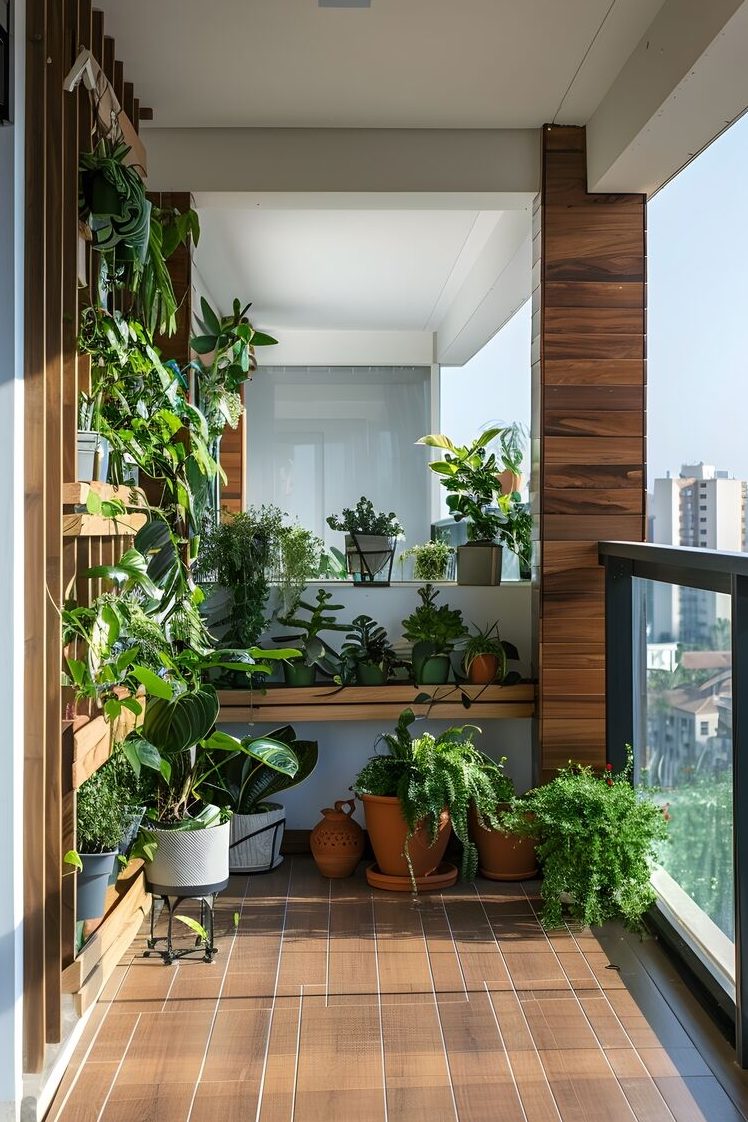
And don’t forget to give your house plants a seasonal update. Luxton likes to add a fall vibe by re-potting her existing house plants in fall containers.

Lighting is an important detail in creating your autumn ambiance. Softer light instantly activates snuggle mode. Luxton’s simple tip for making a room feel cozier is to swap lamp shades for darker, textured fabric shades.

Finally, aromas such as apple pie and cinnamon are so happy-making, scientific studies have confirmed their link to feelings of warmth, comfort, and nostalgia in the brain’s emotion and memory centres. Choose scented candles, fragrant mists, diffusers, or a simmer pot of cloves, orange peel and cinnamon on the stove, for a true experience of home-sweet-home.

Go big. Luxton reminds us that fall is not the season to be minimalist with decor. “People just love to add extra layers in their home (in fall),” she says. So, bring in the soft throws, pile on the plump pillows and let every corner of your home wrap you in fall’s embrace.

Inside the home, Warman uses her dining room table as a year-round stage for seasonal change. Using a container that suits the size and scale of the table, she begins with good quality artificial greens as the base and adds something new each season to reflect the time of year. Acorns, pinecones, gourds and branches are great natural elements for fall.

Faux florals are also a great way to add seasonality to your decor. “I have an oversized vintage basket filled with faux leaves that I set out each season,” Gunn says.

Local Links:

Anderson’s Interiors
686 Guelph Line, Burlington
andersonsinteriors.ca

FOR Living
75 Navy Street, Oakville
for-living.ca

Gunn & Co.
gunnandco.ca

House Warmings
550 Speers Road
Unit #3, Oakville
housewarmings.ca

Interior Design House
4047 Fairview Street, Burlington
interiordesignhouse.com

Lakeside Livin’
100 Bronte Road, Oakville
lakesidelivin.com

BY: Lisa Evans

The Hamilton Potters’ Guild Hosts 21st Annual Empty Bowls Sale in Support of Hamilton Food Share

A creative community tradition helping fill empty bowls across Hamilton.

HAMILTON, October 8, 2025 – From November 7–9, local potters from the Hamilton Potters’ Guild will once again come together for the 21st Annual Empty Bowls Fundraiser. Beautiful, handmade bowls will be available for $30 each, with every dollar raised supporting Hamilton Food Share and its network of hunger-relief programs across the city.

This long-standing partnership between the Guild and Hamilton Food Share highlights how art and community care can come together to make a tangible difference. Each empty bowl represents both creativity and compassion—and offers a reminder of the many families in Hamilton facing food insecurity.

“This event has always been a powerful reflection of what community means,” said Radhika Subramanyan, Chief Executive Officer of Hamilton Food Share. “The need for food assistance continues to rise across Hamilton, and we rely on initiatives like Empty Bowls more than ever to help meet that need. Every bowl sold helps ensure that no one in our city goes hungry. We’re deeply grateful to the Hamilton Potters’ Guild for their generosity and long-standing commitment to supporting their neighbours.”

Over the past 21 years, Empty Bowls has raised more than $394,000 for Hamilton Food Share. The funds help move over 4.7 million pounds of nutritious food each year to 22 hunger-relief programs, including food banks and hot meal initiatives throughout Hamilton.

The Hamilton Potters’ Guild Fall Sale draws thousands of visitors annually, featuring high-quality, locally crafted pottery of all types and price ranges. This year’s featured artist is Richard Mund, an accomplished ceramicist from Neustadt, Ontario, known for his functional and decorative stoneware that combines timeless design with everyday utility.

Event Details (Hamilton Potters’ Guild Fall Sale Hours):

Friday, Nov 7: 1:00pm -10:00pm 

Saturday, Nov 8: 10:00am – 8:00pm 

Sunday, Nov 9: 10:00am – 4:00pm

Location: Dundas Lions Memorial Community Centre, 10 Market St S, Dundas, Ontario

About This Year’s Featured Artist: Richard Mund

Richard Mund is an accomplished ceramic artist based in Neustadt, Ontario. He creates functional and decorative stoneware pottery with a focus on clean form, thoughtful design, and beautiful glazes. His work is influenced by traditional craftsmanship and the relationship between handmade pottery and everyday use. Each piece is designed to bring beauty and utility into daily life, reflecting Richard’s passion for accessible, functional art. Three photos of pottery by Featured Artist Richard Mund below.

For a full list of participating artists, visit: https://www.hamiltonpotters.ca/

About Empty Bowls

Now in its 21st season, the Empty Bowls initiative has raised over $394,000 for Hamilton Food Share. Empty Bowls is held during the Hamilton Potters’ Guild’s Annual Fall Sale. The bowls are donated by Guild members and sold for $30. All the proceeds go to Hamilton Food Share.

About the Hamilton Potters’ Guild

Established in 1971 in Hamilton, Ontario by thirty-two enthusiastic potters, the Guild’s membership has grown to close to four hundred. The Potters’ Guild of Hamilton and Region is a non-profit organization. We are a friendly, diverse, and very active group with a common interest, namely “CLAY”. Our members range from students to full-time professional potters. Many members have their own studios making utilitarian and decorative vessels with smoke, raku, electric, gas reduction and wood firings.

About Hamilton Food Share

Hunger is a reality for one in four Hamilton residents. For 35 years, Hamilton Food Share has been the central hub of a city-wide network of hunger-relief programs, making sure nutritious food reaches those who need it most. By distributing fresh and non-perishable food to 22 member agencies—including food banks and hot meal programs—Hamilton Food Share delivers support across every corner of the community, reaching thousands of families each month. Last year, more than 4.7 million pounds of food were distributed to people across Hamilton. For more information, visit hamiltonfoodshare.org.

Media Contacts:


Kashmir Lesnick-Petrovicz, Marketing and Community Relations Coordinator, Hamilton Food Share

Telephone: 905-664-9065 x 222

Email: kashmir@hamiltonfoodshare.org

Jill Graham, Hamilton Potters’ Guild

Email: Jill.Graham747@outlook.com

Every kid wants to be the one whose costume makes the neighbours say, “Now that’s clever!” Whether the goal is scary, goofy, or glitter and glam, this year’s trends lean toward sustainability and putting a creative spin on classics. Read on for show-stopping looks that won’t break the bank or harm the planet.

What’s trending this year?

Mash-ups and reimagined classics are where it’s at. zombie-princesses, Think vampire-mermaids, superhero-lizards. or Pop culture inspired looks (Wednesday Addams or Mario Bros.) are still hot, but kids are also leaning into eco-creativity by using what they already have and making it creepy or adding an unexpected element. The ultimate goal is to stand out and turn heads. Bonus points if those heads turn all the way around.

Here are a few clever, eco-friendly, and fun ways to whip up a one-of-a-kind look:


1. Hit your local thrift shop for unexpected treasures. A velvet blazer can transform a kid into a mini magician. A 90s prom dress will look hauntingly perfect on a ghost bride. And some old flannel, a toy ax, some beaver teeth and a tail, will turn you into the most authentic lumberjack ever.

2. Why buy new when you can borrow? Host a costume swap with friends or neighbours. It’s like a fashion show, but with pumpkins and plastic fangs. Even if you don’t trade full costumes, swapping single pieces (a cape, a hat, or a wig) can spark totally new ideas.

3. Encourage kids to mashcup costume components for maximum originality. Last year’s pirate hat plus a unicorn horn? You’ve got a “piratecorn.” My daughter paired her cousin’s bee costume with some ghoulish make-up and trick-or-treated as a Zom-bee. It had the neighbours buzzing. The more random the combo,
the better.

4. Accessories can make a costume. Cardboard wings, tin-foil swords, or even glow-stick wands add flair without costing much. Making them is half the fun.

Don’t Try This At Home (Author’s Confession)

When I was in fourth grade, my school had a costume contest. The grand prize was a giant sack of candy that I was hell bent on winning. So, I set out to create the most epic homemade costume ever: a disco space monster.

Apparently Saturday Night Fever and Alien (which both came out around then) had made an impression on me. My plan involved a silver bodysuit from a past dance recital, papier-maché, and green paint from my parents’ garage. I was a 10-year-old on a mission, wielding a box cutter and spray paint. I had never felt more alive… though after wearing the toxic alien head for about twenty minutes, I felt somewhat less alive. Thankfully the winner (me!) wasannounced before I passed out.

The takeaway here (besides “please supervise children with toxic paint and sharp objects”) is that creatively crafted costumes aren’t just fun, they’re legendary

Skip the mass-produced costume in a bag. I mean, do what makes you happy (aka do what your time and budget allow) but if you’re up for the challenge, unleash your inner creative genius! Raid closets, trade with friends, mix and match, and explore thrift shops for inspiration. Not only will your kids’ costumes be unforgettable, you’ll also be teaching them the joy of creativity and the value of repurposing what we already have…

Local Links

Barkin’ Bin Thrift Store
511 Pinegrove Road, Oakville
omhs.ca/donate/thrift-store

IODE Thrift Shop
432 Kerr Street, Oakville
iode-angelabruce.ca

Salvation Army Thrift Store
356 Kerr St, Oakville
3245 Fairview St, Burlington

Stardust Dancewear and Costumes
4155 Fairview Street, Burlington
stardustdancewearandcostumes.com

BY LISA THORNBURY

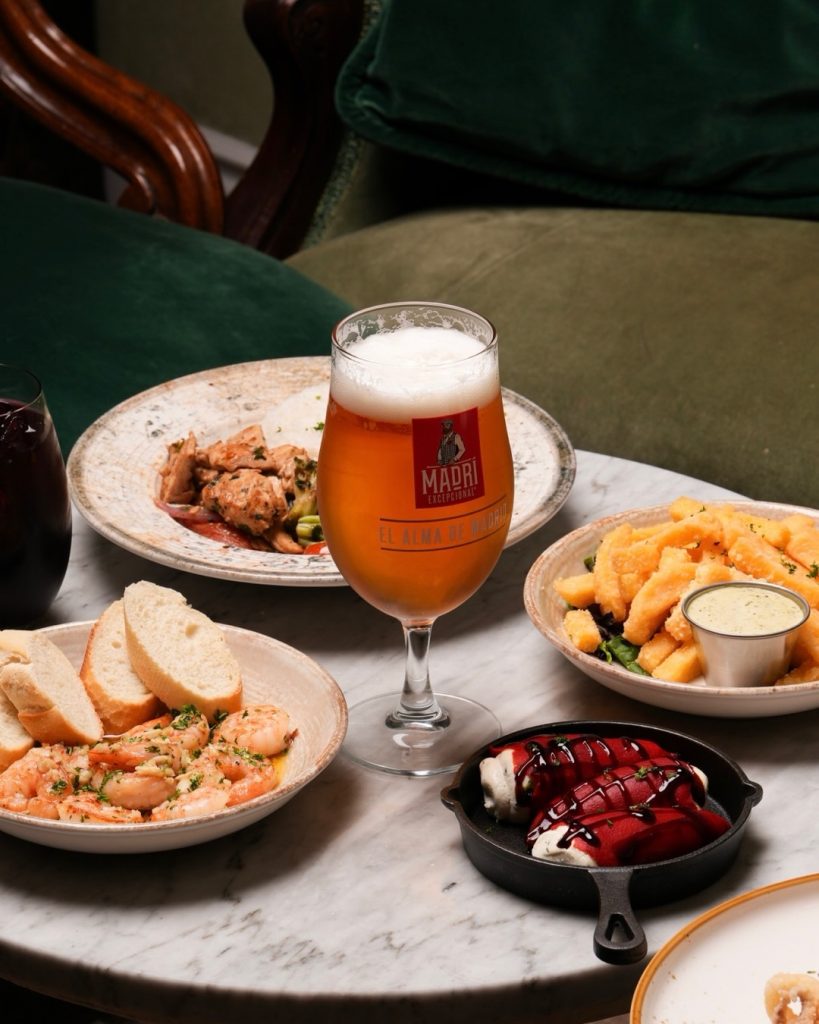
Thanksgiving dinner isn’t just about turkey.It’s the colourful array of vegetables and other sides, and the blend of tantalizing aromas, that lure loved ones to your table. “As easy as it is to lean on the featured protein of a dish, it’s often the sides and accompaniments that tie it all together and create the magic of a Thanksgiving feast,” says Kyle Corbin, Chef de Cuisine at Bardõ Restaurants. We Canadians are fortunate to have a cornucopia of food available — particularly at harvest time — and myriad ways to prepare a delicious side dish

Mouthwatering 101

CHAR IT. Years ago, a friend taught me how to char red peppers on the barbecue until they turned black, peel the peppers, and then slather them with hot anchovy-garlic olive oil. Oh my. Think you don’t like anchovies? Trust me. They dissolve into oil and crispy garlic, creating a salty, heavenly sauce. I made it for my family one summer, and now they request my peppers every Thanksgiving.

A barbecue isn’t always necessary for a good char. Corbin chars Brussels sprouts on the stovetop for a decadent, festive side. “The secret to the Brussels sprouts is halving them and charring them in a cast-iron pan and not shying away from the colour,” he says, then tossing them with crispy bacon and butter-sautéed leeks.

MASH IT.  Mashed vegetables are an easy way to fuse different flavours together. Celery root mashed with potatoes adds a light, herbaceous flavour to an old classic. My mother’s specialty is rutabaga mashed with acorn squash, butter, parsley, sauteed onions, and an optional apple. For a vegan option, try mashed cauliflower with olive oil, roasted garlic, and nutritional yeast for creaminess without dairy.

ROAST IT. The act of slow cooking vegetables directly under a dry heat source creates caramelization and a crispy outer texture. It works wonders on potatoes, sweet potatoes, cauliflower, zucchini, asparagus, broccoli, peppers, and more.

“One of my favourite Thanksgiving sides is classic stuffing. I start with good, crusty bread cubes, then sauté onions, celery, and a little garlic in plenty of butter. To make it extra tasty, I add fresh herbs like sage, thyme, and rosemary, plus a splash of chicken stock so it’s moist but still has some crunchy bits on top. Sometimes I’ll fold in roasted mushrooms or crumbled sausage for more depth—it makes the stuffing hearty and full of flavour”

Jordan Shea
Catch Hospitality, Executive Chef Operations

Roasting is Corbin’s favourite way to prepare yams for Thanksgiving.
He oven roasts them “glazed with maple and toasted walnuts.”


FRITTER IT AWAY. A fritter is a sort of thick pancake made with chopped or shredded vegetables (squeezed first, to remove excess moisture), mixed into a simple batter, and shallow-fried until golden. Almost any combo works. Try zucchini, carrots and scallions, or combine turnip with feta and cornmeal. A potato fritter is essentially a potato latke, a crispy treat in Ashkenazi Jewish cuisine, often served with sour cream or apple sauce.


STUFF IT. Mushroom caps are decadent with a stuffing of minced mushroom stems and onions, sauteed in butter and mixed with parmesan cheese and breadcrumbs, and then baked. Or take these a step further with a crab and asiago stuffing. Anything that can be hollowed out can be stuffed, including bell peppers, squash, zucchini, eggplant, artichokes, and even cherry tomatoes. Stuffed vegetables load extra flavour in each bite and look impressive!

Speaking of stuffing, turkey stuffing is my personal favourite side. For years I refused to deviate from my grandmother’s old bread-and- poultry-seasoning standard until Dave, my partner, made me one with sourdough bread, sausage, and roasted chestnuts. That stuffing alone could be my feast now. Turkey optional!

Other foodies swap bread for cornbread,  rice, or (in Scotland) oatmeal. Stuffing can be spicy, nutty, meaty, or fruity. The varieties are endless, and not for the carb-averse. Fixings make the feast. Happy Thanksgiving and bon appétit!

BY MICHELLE MORRA

Halloween isn’t just tricks and treats for kids. Furry family members can also be part of the festive fun. My black cat, the ultimate symbol of Halloween (second only to pumpkins), gets her moment in the spotlight every year. I plop a tiny orange hat on her and take a photo of her with the kids in their costumes before we hit the streets trick-or-treating.

Many local pet businesses offer ways for pets to get in on the festive fun. From costumes to toys, treats and even parties, pet Halloween is serious business.

At Dogtopia of Burlington, pup members are invited to show off their costumes, join a mini parade, star in a spooky photo shoot, and even take home a treat to keep the night sweet.

While the idea of including pets in Halloween sounds fun, they don’t all enjoy the spooky festivities. “Dogs can be scared of masks,” says Tracy Buchkowsky, Manager at Dogtopia. Even social pups may find certain aspects of the evening frightening, or get anxious with the constant doorbell ringing. To help pets enjoy the evening, Buchkowsky recommends providing them with a calmer space — such as in a separate room or behind a baby gate — or even booking a sleepover at Dogtopia to avoid the Halloween chaos altogether.

If you do want to take your dog trick-or-treating, safety comes first. Keep the pup visible with the right, reflective gear. Allison Sullivan, owner of Burlington North’s Bone & Biscuit, recommends a light-up dog necklace such as Nitehowl. “It’s an LED safety necklace that you can cut to the proper size, and it’s rechargeable,” she says.

Tips to Maximize Halloween Fun with Pets

Get a porch portrait with your pet in costume before trick-or-treating begins. Buy a new toy to add some festive fun while keeping pets happily distracted from trick-or-treat chaos. Host a “paws parade” in your living room, or with some neighbours, so that four-legged-friends can show off their costumes. Don’t forget festive treats like Bosco & Roxy’s seasonal cookies!

Remember to keep pet costumes simple. They shouldn’t be too loose or tight. Avoid things that could impair movement, hearing, or vision and beware of any small accessories that can be swallowed. Try out the costume before Halloween night to ensure your pet is comfortable with it (you can tell if they push it off or wriggle out of it).

Buchkowsky also recommends keeping pets on a short leash in case they get spooked by a lawn ornament or trick-or-treater. And be sure to have their ID tags up to date in case they dart off.

For pets who get startled by noises, doorbell chaos, or unfamiliar faces, check with local pet stores for calming aids. Sullivan recommends Your Go 2 (a spray commonly used for pets who get anxious when getting their teeth cleaned) or Healthybud, calming chews made with duck meat and liver. In the cuteness department, pets are right up there with kids on Halloween night. Just remember to keep your furry ghouls safe, comfortable and happy.

BY LISA EVANS

With housing prices remaining high across the GTA and beyond, more homeowners are turning to garden suites as a smart solution to generate rental income, create space for multi-generational living, or boost long-term resale value. Designed with independence and privacy in mind, a secondary dwelling can adapt to changing needs, adding long-term flexibility to your home. It may sound like a big undertaking, but with a solid plan, the right approvals, and a skilled builder, creating a secondary suite is more achievable than you think.

What is a Garden Suite?

Municipalities officially classify garden suites as Additional Residential Units (ARUs). In plain terms, that means a self-contained living space with its own kitchen, bathroom, and sleeping areas, located on the same property as a primary home. Brian DosRamos, President of Ever After Custom Homes, notes the clear shift toward spaces that emphasize family and sustainability.

Planning Makes Perfect

Getting started on a garden suite, or any secondary dwelling, begins with laying solid groundwork. First, hire an architect or designer to draft a plan that aligns with both your vision and municipal zoning rules. Professionals will help ensure your suite is functional and compliant with relevant codes.“We are seeing an increase in families wanting multi-generational homes and investment options included in their new homes,” he says. “It’s important to find ways to create more housing options within our established neighbourhoods.”

“Care must be taken to provide space and patterns of access that establish boundaries for each inhabitant’s respectful use of the exterior.” JOHN WILLMOTT

John Willmott, Principal Architect at Willmott & Strickland, explains that every project starts with context. “I first consider the scale, massing, compatibility, and relationship it has with the existing house,” he says. “Zoning by-laws determine the size, setbacks, height, and other regulations. And while municipalities are encouraging garden suites, having someone living in your backyard will potentially impact the homeowner’s enjoyment, so care must be taken to provide space and patterns of access that establish boundaries for each inhabitant’s respectful use of the exterior.”

Architects are also invaluable when adapting existing structures. Beyond design, they can help source contractors and oversee construction to make sure the vision is carried out as conceived.

Next, you’ll need to secure the necessary permits, a step that varies depending on local regulations but is critical for avoiding delays or penalties. Several municipalities now offer financial support to encourage this type of project.

Small Space, Big Design

WILLMOTT & STRICKLAND Designing a garden suite is all about balancing comfort, privacy, and long-term value. Working closely with a builder allows you to make the most of a compact footprint — maximizing usable space, building in smart storage solutions, and incorporating multifunctional designs that adapt to different needs.

“The space needs to be curated for the intended user from phase one of design,” DosRamos says. “That may mean barrier-free access for an aging family member, a larger kitchen for someone who loves to cook, or even a dedicated office space if the suite is meant to be a rental for a remote worker.” He also stresses maximizing natural light and airflow, noting that “sunlight and cross breezes are critical to creating healthy, happy spaces.”

BEFORE YOU BUILD

Garden Suites

Talk to a local real estate agent to learn current market trends. They can help you:

  • Determine the demand for rental units in your area
  • Assess property value to optimize your investment
  • Connect you to knowledgeable professionals

Future value should also guide decision-making. “Thoughtful design will ensure that the suite fits with the home, property, and community,” says DosRamos. He points to energy-efficient choices like triple-glazed windows, in-floor radiant heating, and upgraded insulation, as well as smart home features. Building to high standards now, he explains, creates long-term value and minimizes costly upgrades later.

With the right combination of intention, efficiency, and details, a secondary dwelling becomes more than an extra unit. It’s a flexible, valuable extension of your home.

Local Links

Ever After Custom Homes
everafterhomes.ca

Wilmott & Strickland
willmottstrickland.ca

BY NICOLE HILTON

Waterdown Village boasts a section of the Bruce Trail that hikers and birders adore. A hilly path, surrounded by stately trees, eventually levels off along Grindstone Creek in a deep gully known as Smokey Hollow. The view of the creek grows increasingly spectacular — from stones to rocks to boulders — culminating in the 33-foot, ribbon-like cascade known as Great Falls.

Smokey Hollow is almost impossible to imagine as being enveloped in steam, sawdust and chimney smoke, but that’s how it got its name. Thanks to the powerful resource of water tumbling down the Niagara escarpment, the aptly named Waterdown Village was born of industry.

WATER AND WEALTH

Pioneer communities relied on lumber and grist mills, so entrepreneurs were drawn to Grindstone Creek in the 1800s. Alexander Brown, an early settler, harnessed the power of the Great Falls by building the area’s first sawmill. A hamlet grew around the area after brothers Ebenezer and Absalom Griffin built flour and grist mills, a general store, and a hotel.

The long, narrow gully soon bustled with industry. Mills ground flour, sawed timber, and even produced woollen goods. Soon to follow were tanning pits, basket makers, and a brass foundry. One particularly impressive structure was the Torrid Zone Flour Mill, built in the 1860s by Sir William Pierce Howland, a future Father of Confederation. His mill delivered raw grain from the top of the escarpment and, ingeniously, used gravity to transport finished flour to the bottom. Over 170 barrels of flour a day travelled from Waterdown to markets in Montreal and Europe.

A VICTORY FOR NATURE

Hamilton Waterfalls

Smokey Hollow was the site of ruin for seventy years. Locals used it as a dump. Weeds and brambles took over former mill sites until the 1990s, when a quiet revival began. Seeing the potential for public parkland — and a green space worth protecting — local volunteers started clearing trails, installing signs, and building a viewing platform over the Great Falls. This labour of love would become a remarkable portion of the Bruce Trail.

In a forest once clamorous with grinding millstones, whirring gears and screeching saw blades, visitors will have an entirely different experience today. Smokey Hollow is a majestic, pine-scented oasis where the only sounds are of birds, chipmunks, and the babbling creek and majestic waterfall that have reclaimed their home.

Special thanks to Waterdown Mill Street Heritage and the Flamborough Historical Society.

UP IN SMOKE

Great Falls

The deforestation that was happening all over Ontario, together with the draining of marshes, caused a decrease in Grindstone Creek’s power. Many industrial establishments shifted to steam technology powered by scrap wood. These changes brought a host of occupational hazards. Flash fires frequently destroyed the wooden mills. The Torrid Zone Mill burned in 1885, was rebuilt, and burned again in 1910, never to recover. Steam engines were prone to often fatal boiler  explosions. Meanwhile, air quality at the southern end of the village was poor, due to the cloud of smog hanging over the gully.

All mills at Grindstone Creek had ceased production by 1912, the year when the Canadian Pacific Railway arrived. While railways caused some Canadian towns to thrive, in this case the changes overwhelmed Waterdown’s industrial hub. Dams were dismantled, the creek was rerouted for agricultural purposes, and the last physical reminders of Smokey Hollow’s industrial heyday began to vanish. The short-lived railway station, closed by the 1960s, burned down in 1966.

BY MICHELLE MORRA