Author

trinity

Browsing

[cooked-sharing]

Borscht is one of Russia’s better-known culinary exports, and is equally good served hot in the winter or chilled as a summer soup. This recipe combines fresh locally grown beets with a hearty beef stock, and the colours and intensity of flavours are sure to impress.

Borscht or Classic Beet Soup

Recipe featured in Look Local Issue 4.7

Ingredients

  • 2 oz butter
  • 1 ½ cups peeled and roughly chopped beets
  • 1 onion, chopped
  • 1 carrot, chopped
  • 3 garlic cloves, chopped
  • 1 tbsp sugar
  • 6 cups beef stock
  • Juice of half a lemon
  • Salt and pepper to taste
  • Sour cream to serve
  • Chopped chives to garnish

Instructions 

  • Melt the butter in a large saucepan over a gentle heat and slowly cook the beets, onion, carrot and garlic, turning regularly.
  • Add the sugar and beef stock, season with salt and pepper, and simmer for about 40 minutes until the vegetables are tender.
  • Use a blender to puree the soup until it is entirely smooth, then add the lemon juice and salt and pepper to taste. Serve with a swirl of sour cream and a scattering of chopped chives.

[cooked-sharing]

Lynn Ogryzlo is a food, wine and travel writer, international award winning author and regular contributor to Look Local Magazine. She can be reached for questions or comments at www.lynnogryzlo.ca

Lynn's Niagara Holiday Biscotti

by Lynn Ogryzlo

Ingredients

  • ½ cup butter, softened
  • 1 cup sugar
  • 2 eggs
  • 1 teaspoon pure vanilla extract
  • 2 cups all purpose flour
  • 1 ½ teaspoons baking powder
  • Dash of salt
  • 1 cup Niagara walnuts
  • ½ cup dried cherries

Instructions 

  • Preheat oven to 325F (160C). Line a baking sheet with parchment paper. Beat the butter, sugar and eggs in a large bowl of an electric mixer until light and fluffy. Meanwhile, whisk flour, baking powder and salt together. Add dry ingredients to the whipped butter mixture and stir only to incorporate. Add the walnuts and dried cherries and mix well.
  • Shape the dough into 2 logs on a baking sheet. Flatten the logs with your fingers into ¾” thickness. Bake for 30 minutes. Remove from the oven and reduce the temperature to 300F (150C). Slice the log into 1-inch slices and place each slice on its side. Bake for 10 minutes, remove from oven, turn the cookies over and bake another 10 minutes. Remove from oven and cool..
  • Makes 4 dozen cookies.

Sometimes we think that feeling tired, unfocused, irritable or just generally unwell is because we’re stressed or not getting enough sleep, but these symptoms can be a sign of toxic overload. Under ideal circumstances, our bodies naturally rid themselves of harmful pollutants and protect against their effects through the built-in detoxification system of our liver, digestive tract, skin, kidneys and lungs. But the sheer volume of exposure to pollutants and chemicals we get on a daily basis sometimes overwhelms the natural processes. Pair that with an unhealthy diet, and chronic health issues may be the result.

health04

1 Eat lots of fruits and vegetables

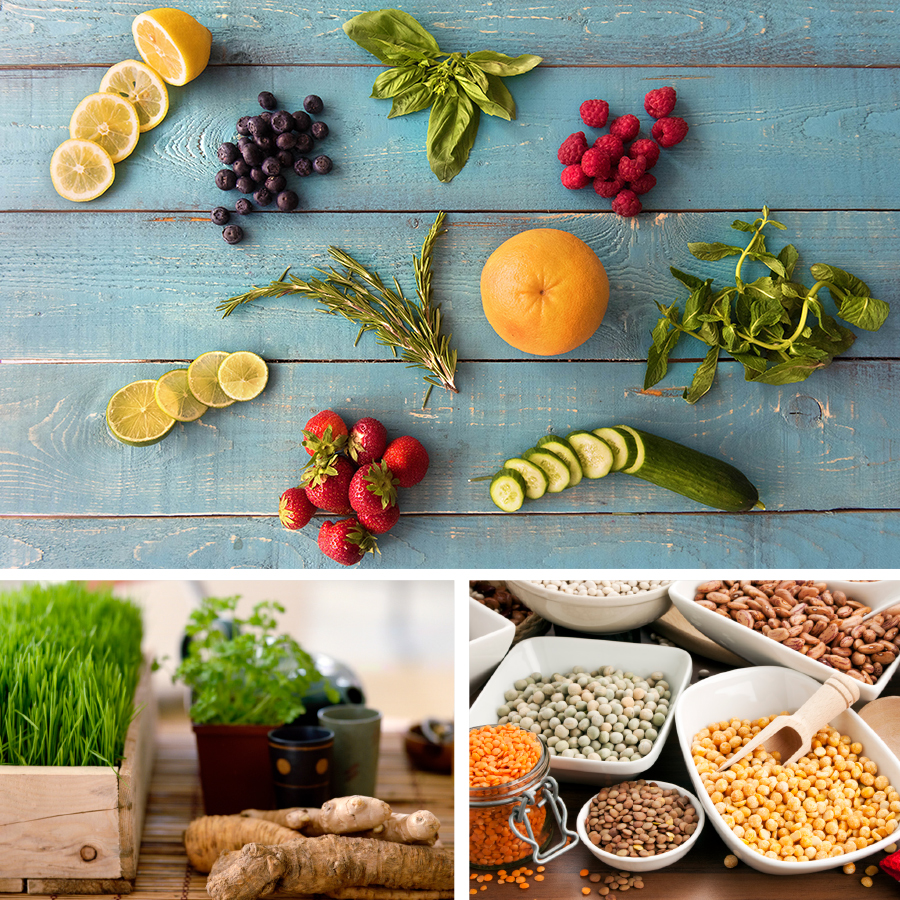
Choose a rainbow of colours — green, red, orange, purple, and yellow fruits and (mostly) vegetables. Aim for a minimum of five (half cup) servings daily. Green veggies, especially those of the Brassica family (including broccoli, cabbage, Brussel sprouts, cauliflower and kale) have high chlorophyll content in addition to other compounds that aid in liver function. Other excellent choices include avocado, collard greens and asparagus.

2 Choose organic produce wherever possible.

Unfortunately, not all the pesticides used to kill bugs, grubs and/or fungus on our conventionally farmed fruits and veggies wash off under the tap. Opt for organic fruits and vegetables, particularly in certain varieties known to contain higher levels of pesticide residues, such as bell peppers, kale, potatoes, spinach, apples, blueberries, cherries, grapes, nectarines, peaches and strawberries. Non-organic produce should be cleaned with a natural fruit and veggie wash to remove any pesticides, waxes, and chemicals. Rinse thoroughly and peel the skin where possible.

  health09
3 Add herbs and spices

Many herbs and spices, including turmeric, ginger and cilantro (coriander), have anti-inflammatory, liver cleansing and many other healing properties.

4 Include lean proteins

Lean protein is beneficial in clearing chemical toxins more rapidly from the bloodstream. Choose lean cuts of meat and poultry, ideally organically raised, or game meats. Include more vegetable protein sources like legumes, beans, peas, lentils, nuts and seeds.

5 Eat fish…in moderation

Include fish in your diet as long as it’s not loaded with mercury and other heavy metals. Eat wild or farmed fish once or twice weekly. Avoid fish high in mercury such as: shark, swordfish, king mackerel, grouper, all varieties of tuna, orange roughy, marlin, Chilean sea bass, halibut, snapper, sablefish, and striped bass (wild).

6 Try some non-processed grains.

Select grains that have low allergenic potential and a high nutrient profile. This includes gluten free grains like buckwheat or kasha, millet, quinoa, brown rice, arrowroot, amaranth and some oats.

7 Drink water

Water enhances detoxification. Drink a minimum of six to eight glasses of purified or mineral water each day to flush your system. Liven it up by adding lime, berries or fresh mint leaves to infuse flavour. Squeeze the juice of half an organic lemon into a glass of water first thing in the morning to boost your immune system, aid digestion and stimulate liver enzymes.

8 Support your detox

In addition to this nutritional approach to detoxification, be sure to avoid chemical-laden skin, hair and body products. Salt and soda baths, vinegar baths, dry skin brushing and infrared saunas also help remove toxins from your skin. Maintain a healthy workplace and home environment, by minimizing environmental pollutants and toxins.

The keys to vitality are a clean body and active mind. Physical activity, sleep and adequate stress reduction are important to the success of any detoxification program. Take some time to listen to music, dance or sing, breathe deeply, write in a journal, and have a good laugh.

Article by Jerry Balice

Jerry Balice is the Clinic Director at Nex Wellness in Burlington and Binbrook. You can read more health and wellness articles on his website at nexwellness.com

Local Links

Nex Wellness, Burlington
nexwellness.com

Pure Love, Burlington
lettucelovecafe.com

The Institute for Hormonal Health, Oakville
hormonalhealth.ca

Imbuir Naturopathic Medicine, Burlington
imbuir.ca

[cooked-sharing]

Who knew whisky and honey went so well together? This glaze can be prepared at a moment’s notice and can be tailored to your own taste. We recommend using local whisky and honey, like Chef Derek does. You can try this dish on the Rib Eye Jack’s menu this fall!

Pan Seared Shoreline Salmon

Recipe courtesy of Rib Eye Jack's Ale House, Burlington. Visit them at ribeyejacksalehouse.com or call 905.633.9929

Ingredients

  • 5-7 oz Fillet of Fresh Salmon, (skin on with scales removed)
  • ½ oz Olive Oil
  • 2 oz Local Ontario Honey
  • ½ oz Forty Creek Copper Pot Whisky

Instructions 

  • Heat the olive oil in a skillet, season the salmon with salt and pepper, and then place the salmon skin side down in the pan.
  • Cook for approx. 4 minutes until the skin is crispy, and then turn it over.
  • While the salmon finishes cooking, add the honey and whisky and deglaze the pan for about 2 minutes.
  • Remove the salmon from the skillet and pour the glaze over it when serving.
  • Serve with your choice of rice, mashed potatoes, and fresh seasonal vegetables.

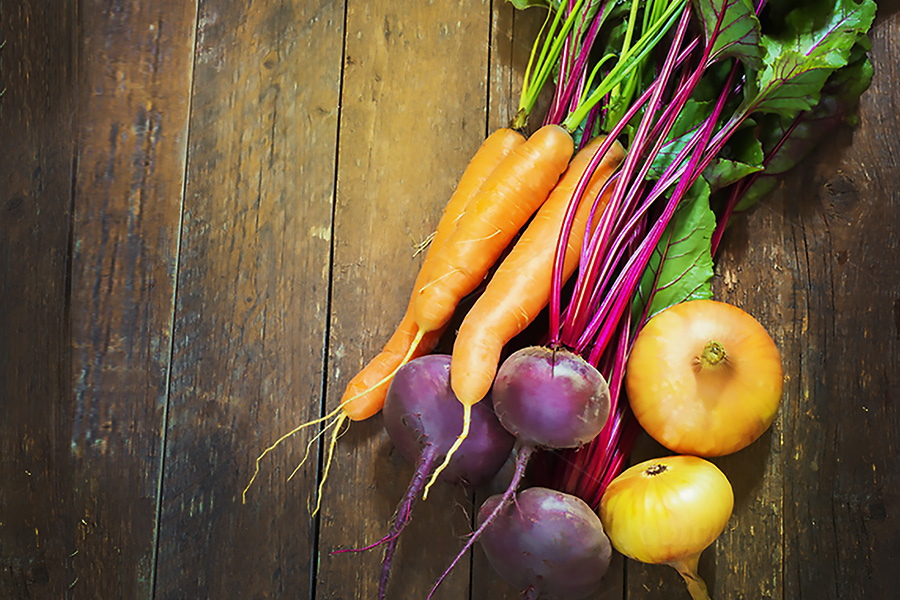
Have you ever noticed that most of the vegetables we see at the farmers’ market grow above ground?  It may not be something you think about when you look at the abundance of greens, squashes, melons and eggplant.  But fall is the season for roots and tubers that grow below the ground and offer what other vegetables cannot: savoury textures and natural sweetness.

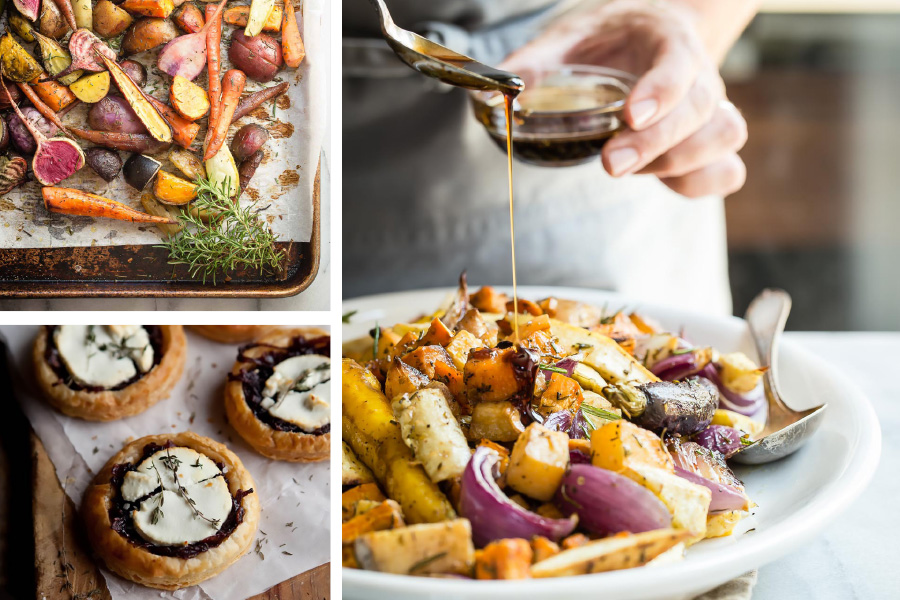
As I walk through my farmers’ market at this time of year, I look at the parsnips and carrots and my mouth waters at the thought of them caramelizing along with a joint of meat.  I can visualize parsley root to be made into breakfast fritters served with maple syrup, and onions roasted with figs and drizzled with balsamic vinegar.  I can imagine my sweet potatoes being puréed for pies and velvety custards, and beets diced into a warm beet and corn salad.

The best part of fall roots is that they keep for longer periods of time in cold cellars or “root cellars” as they were once called.  These little basement closets moderate temperatures for the sole purpose of extending the growing season, giving us the ability to eat local long after the first snowfall.  Because so many roots will keep, we think of them as winter foods but they’re harvested in the fall making them an essential part of a great Thanksgiving meal.

ll_food_02_900x600

Thanksgiving is a true food holiday that isn’t cluttered with the frenzy of buying presents, stringing lights or group singing.  Thanksgiving dinner is a celebration that marks the end of a season filled with bountiful harvests; it’s about delicious food from the garden and good cooks.

Years ago my Thanksgiving dinner evolved into an affair of friends.  Our Thanksgiving dinners have also evolved from the traditional menu of my childhood to the wondrous offerings of the cooks who come together, each brining a different dish to form a collective feast. There are usually four cooks in the kitchen that have spent an entire week scheming and foraging neighbourhood farms purchasing the necessary roots.  Locally grown roots like turnips and beets, sweet potatoes and onions are in good supply and economical in this season.

Root Vegetable Season

When the day arrives, the kitchen is humming as we take turns swapping recipes and commenting on each other’s dishes.  Rutabaga is peeled, Jerusalem artichokes are shaved, carrots are sliced, onions are diced and beets are roasted.  On one workstation, thin layers of pasta are being stuffed with purée of yellow turnip and herbs; on the other side of the kitchen small, caramelized onion tarts are being topped with soft goat’s cheese; meanwhile on the stove, pine nuts are being browned for the soup.

The table is set in the beautiful colours of fall and the aromas in the kitchen are full of roasted turkey and sweet roots.  The first course is served to the sounds of corks being pulled from bottles of wine.  A large steaming terrine of truffled cream of celery root soup dotted with toasted pine nuts sits in the middle of the table; on either side are smaller bowls of glistening baby beets and baskets of Parmesan crusted Jerusalem artichoke chips.

We all sit down and raise a glass to the farmers who labour long to bring us so much fresh and delicious food.  The conversation revolves around food, wine and more food. I hope your kitchen is deliciously bountiful this Thanksgiving.

Lynn Ogryzlo is a food, wine and travel writer, international award winning author and regular contributor to Look Local Magazine. She can be reached for questions or comments at www.lynnogryzlo.ca


Local Links

Halton Fresh Food Box, Burlington
haltonfreshfoodbox.com

Busy Liz’s Farm Shop, Campbellville
busylizs.com

Halton Region Farms, Halton
halton.ca

Farmer Jacks, Burlington
farmerjacksmarket.com


Choosing which school your kids should go to comes with a list of questions longer than a spelling bee. There are so many options and schooling methods to consider: Catholic, French Immersion, Christian, Montessori and more.  We are very fortunate in Halton as our publicly funded schools have great reputations, undoubtedly fueling the immigration to our region. For example, both Oakville Trafalgar and Abbey Park in Oakville consistently rank in the top 10 schools in the province in the annual Fraser Institute rankings.

Oakville and Burlington’s public and separate schools offer many programs and options, including special education resources. For example, you can elect to take the International Baccalaureate curriculum, or sign up for a variety of extra-curricular, athletic and after school programs. The Thomas Merton Centre for Continuing Education in Oakville offers youth, academic upgrade and language programs that are very economically feasible.  Kids from Junior Kindergarten to Grade 8 can take international language classes in one of more than 15 languages during the school year and in the summer. It is widely accepted that learning multiple languages can enhance cognitive development, promote cultural literacy, and increase employability.

Public Private Schools Oakville Burlington

In addition to our strong public schools, the Town of Oakville also boasts one of the highest concentrations of independent schools in North America. Jane Hamilton, Executive Director of Oakville Independent Schools (OIS), explains that these schools provide parents with a choice that they may be looking for based on their child’s talents, passions, needs and their family’s situation. “Just as we have great public schools in the area, we also have exceptional independent schools. It’s up to each individual family and parent as to what they decide is best for their child.” Parents opting to send their kids to an independent school may be attracted by the benefits of special needs classes, smaller class sizes, a focus on the arts, or perhaps the philosophy of Montessori-based education. There are also increased opportunities for children to get involved in charitable work. “Every single one of the OIS member schools is involved in some way with giving back to the community,” Hamilton says.

Two schools, Wildwood Academy and Chisholm Academy, focus on the special needs of children with ADHD, autism or dyslexia. Appleby College offers the option of boarding school for international students and requires all students to board in their final year. “Each school has its own mission and philosophy and is uniquely positioned to address each student’s educational goals and needs. It really comes down to what each family is looking for. Their reasons are often very personal and individual,” says Hamilton.

Public Private School Oakville Burlington

Private school is not just for the wealthy. Many forms of financial assistance are offered through bursaries, scholarships, and payment plans. “It is a cost and it is an investment. Financing an independent education takes planning and most families look at various options to keep costs within reach. Some families choose to manage with one car or forgo family vacations in order to provide for an investment in private education,” notes Hamilton. If you are thinking that a private school might be an option for your child, this is the time of year for school expos and open houses. You should consider attending the 11th annual Halton-Peel Private School Expo on October 16 at St. Joseph’s Banquet & Conference Centre in Oakville, and the members of OIS participate in a joint open house day on October 22nd where you can visit one or all of the eleven schools in one day.

With so many options available, the decision-making process can feel overwhelming. Of course, this is a good problem to have. Choice is important, and at the end of the day parents simply want to make the best decision for their child and their family. Take the time to explore your options, ask meaningful questions, and compare schools objectively.  The best part is: the choice is yours.

Local Links

Halton District School Board
hdsb.ca

Halton Catholic District School Board
hcdsb.org

Oakville Independent Schools
educationoakville.com

Thomas Merton Centre for Continuing Education
mertoncentre.com

Ontario Alliance of Christian Schools
oacs.org

Our Kids Media
ourkids.net

[cooked-sharing]

Sweet Potato and Quinoa Burger

Recipe courtesy of Lettuce Love Café. Visit them at lettucelovecafe.com or call 905.637.2700

Ingredients

  • 2 sweet potatoes (peeled and cubed)
  • 1 cup quinoa (rinsed and drained)
  • ½ cup oat flour
  • ½ cup fresh cilantro
  • 2 green onions (finely chopped)
  • 1 tbsp ground flax seed
  • 1 clove garlic, minced
  • 1 tsp fresh grated ginger
  • 1 tsp ground cumin
  • 1 tsp sweet smoked paprika
  • ½ tsp dried basil
  • 1 tbsp olive oil
  • Salt and pepper to taste
  • Gluten free burger buns

Instructions 

  • Preheat the oven to 375 F and roast the sweet potatoes on a baking sheet for about 25 minutes or until soft. In a large bowl, puree them either by hand or with a hand mixer.
  • Cook the quinoa according to the package directions, then mix it into the sweet potato puree and stir well.
  • Add the remaining ingredients to the bowl and stir everything together thoroughly, then form the hamburgers.
  • In a large heavy skillet, heat the olive oil on medium heat and then fry the burgers for about 6 minutes on either side or until they are golden brown.
  • Serve on the gluten free buns with optional toppings such as avocado slices, guacamole, lettuce leaves, tomato slices, red onions, chipotle mayo or cilantro aioli. (Makes about 8 burgers)

[cooked-sharing]

The Classic Farmhouse: Grilled Cheese Sandwich

Recipe courtesy of Farmhouse Artisan Cheese. Visit them at farmhouseartisancheese.ca or call 905.582.9600

Ingredients

  • 30g of Emmental
  • 30g of 3 Year Aged Cheddar
  • 30g of Brie
  • 1 to 2 tbsp of butter chopped
  • Two slices of bread

Instructions 

  • Heat up a frying pan on medium heat, or preheat panini/sandwich press to 400 degrees
  • Butter the outsides of 2 slices of bread
  • Place the Emmental on the bottom
  • Brie in the middle (Rind on if its not too thick)
  • Cheddar on the top
  • It's Important to have the Brie in the middle to prevent it from melting into the bread
  • Cook for 5-10 mins depending on chosen cooking method, flip halfway through
  • Cook until the cheese is fully melted on the inside

These 13 foods and ingredients promote a healthy brain

As we continue to learn more about the gut-brain health connection, and the link between inflammation and brain health, it turns out that many of the same nutrient dense foods we enjoy to fuel our bodies and protect against chronic disease are also working their antioxidant and anti-inflammatory impact or benefit on our brains — improving our cognitive performance, enhancing memory and reducing risk of neurodegenerative disorders including dementia and Parkinson’s.

So when we feed ourselves whole, nutritious foods, we are truly empowering our bodies from head to toe! 

Here’s a list of top foods for brain (and overall) health. 

Salmon 

Salmon, particularly wild-caught and organic salmon (farmed salmon can have significant levels of mercury and other toxins), also contains a rich supply of omega-3 fatty acids to reduce brain fog and improve memory. 

Bone Broth 

Touted as a superhero for healing gut and brain, bone broth is an ancient food with many health benefits, from enhancing the immune system and reducing intestinal inflammation, to improving joint health and boosting memory.

Green, leafy vegetables 

We already know that eating our veggies is good for us. And now a growing body of research suggests that green, leafy vegetables such as kale, Swiss Chard and spinach can help prevent or onset of dementia too. Also reach for bok choy, Romaine lettuce, turnip greens and parsley, the more the better. Choose a green leafy food at least once every day. 

Broccoli 

Another green vegetable that packs a nutrient punch for brain health is broccoli. It has a high level of choline to keep memory sharp. As well it’s high in Vitamin K and Vitamin C. 

Beets 

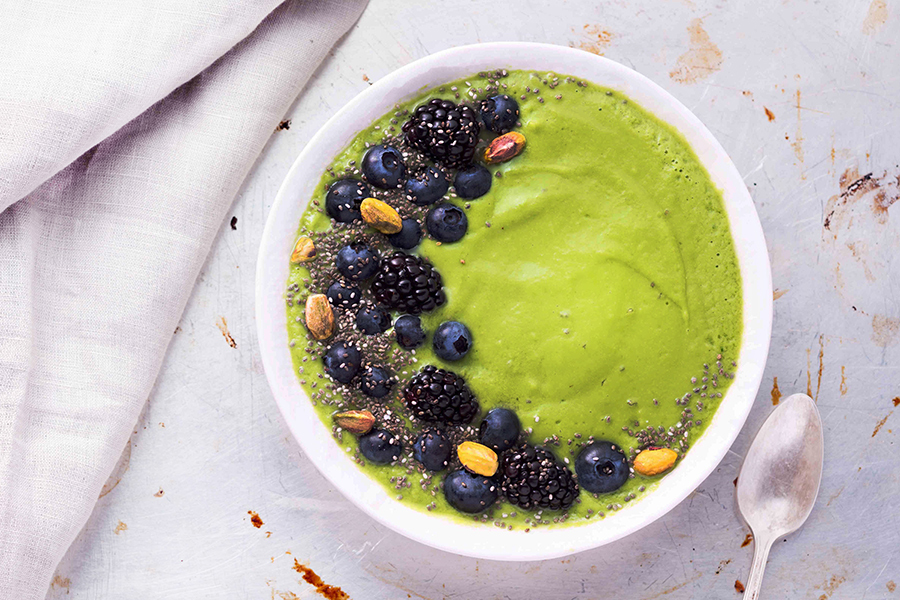
These colourful root vegetables have many antioxidant properties. Since beets lose some of their nutrients during cooking, beet juice has been suggested as a healthier way to reap their considerable health benefits, which include boosting blood flow to the brain to include and aid in mental performance overall. Try it blended with other juices or include in dairy-free smoothies. 

Olive Oil 

Extra virgin olive oil (EVOO) has significant anti-inflammatory and brain health benefits. Studies have suggested it may improve learning and memory, as well as protecting against proteins that can lead to the onset of Alzheimer’s. To protect the integrity of the oil, eat it at room temperature — great drizzled on vegetables and pasta, as well as a staple in salad dressings. 

Coconut Oil 

Touted for its versatility and many health benefits, coconut oil is a potent anti-inflammatory.  It also helps to eliminate unhealthy gut bacteria. Add it to smoothies, cook safely with it at higher temperatures (there are versions with and without the coconut-y taste, depending on your preference), and even eat a tablespoon a day on its own.  

Blueberries 

One of the most antioxidant-rich foods on the planet, blueberries are loaded with phytonutrients that support brain health. In particular, their high levels of gallic acid help protect the brain against stress and degeneration. 

Avocados 

Rich in nutrients, the avocado (actually a berry) contains high amounts of monounsaturated fatty aids (MFAs), healthy fats that help protect nerve cells in the brain that provide support to information-carrying nerves. Low in sugar and high in protein, and rich in vitamins B, C and K, as well as folate, avocados are a powerhouse food for improving memory and concentration, as well as helping to prevent blood clots and protect against stroke.   

Turmeric 

Containing curcumin, this amazing spice is considered by some to be one of the most powerful anti-inflammatory foods available. Used in curry, added to teas and even eggs, turmeric can help keep you alert, and may even help combat dementia and Alzheimer’s.  

Walnuts 

The high levels of antioxidants, vitamins and minerals in the mighty walnut make this one of our top food picks for brain health. In addition to improving mental alertness, the vitamin E content in walnuts can also help keep Alzheimer’s at bay. 

Dark Chocolate 

After you’ve feasted on a wide selection of these brain-healthy vegetables, fruits and other foods, enjoy an ounce of the purest dark chocolate you can find. Dark chocolate (of at least 70% cocoa solids) contains high levels of cocoa flavonoids, a type of antioxidant, as well as tryptophan, an amino acid used by the brain to produce the “happy” compound serotonin. 

Eggs 

After several decades of being on the “naughty list,” the egg — and egg yolk in particular — has been redeemed as a healthy food choice. Once perceived as a risk factor for heart disease due its high cholesterol content, researchers have since discovered that eating eggs does not raise the levels of “bad” cholesterol in healthy adults. And in fact, the yolk’s high amount of choline helps the brain form memories and concentrate, aids fetal brain development, and helps produce “happy” hormones for improved mood. Opt for organic or free-range eggs for their optimal content of omega-3 fatty acids, which can also boost cognitive function. 

Submitted by: NEX Wellness Burlington, Naturopaths and Binbrook Naturopaths offer various services with a focuses in hormone women’s and men’s hormone health, natural remedies for hormone imbalance in perimenopause, menopause, and post menopause, low thyroid, and bio-identical hormones. 905-634-5000 / info@nexwellness.com.


Singer Christopher Cross wasn’t wrong when he sang his classic tune, “Sailing”. In his words “if the wind is right you can sail away and find tranquility.” You just need to know how to skipper a sailboat and find a place to set sail from. If you’ve always wanted to take lessons, you need look no further than the Oakville or Bronte Harbour or LaSalle Marina in Burlington.

A Broadened Horizon
Sailing has many physical health benefits, but there’s more to the sport than just sore forearms and tired feet from moving from bow to stern, manning all of the equipment, and ducking under the boom.

Once you take up sailing, you’re always learning. Even experienced sailors find there is always something new to figure out, or a new set of weather conditions to master. There’s personal reflection involved, and especially when racing, technique and strategy make all the difference. Learning how to manoeuvre the ship through the water and how to navigate through the elements brings new skills to the table. Unless you’re a passenger just relaxing on deck, sailing trains your brain; it requires focus and hard work.

Sail Stress Away
The sport may involve some hard work, but by the time you’re ready to man your own boat it can be very relaxing. Imagine gliding through the water with nothing but sea and sky on the horizon. It is also a very social sport, and both young and old sailors can make lifelong friendships with fellow crew or other members of the sailing club. And once you have learned the basics, you can sail anywhere and enjoy different surroundings.

Ahoy, Accomplishment
Learning to sail takes dedication and passion. You will learn how to face certain challenges, either due to the weather or a malfunction of the boat, and on land you can transition those same skills when other unpredictable issues in life occur. All sailors have a healthy respect for nature, and understand the inherent dangers of wind and water. Acquiring the skills to captain your own boat is definitely a unique and invaluable experience, and will result in a real feeling of personal accomplishment.

Young children and teenagers can get involved and develop an appreciation and skill level for sailing too. The Burlington Sailing & Boating Club (BSBC), The Oakville Yacht Squadron (OYS), and Bronte Harbour Yacht Club (BHYC) offer classes and the CANSail summer camp program to would-be sailors. From the first day, campers are taught to be safe, have fun, learn to be a better sailor, work together and make friends. The Wet Feet camp (ages 5 – 8) is at an introductory level to get them comfortable with sailing. Kids learn basic rigging, boat parts and knots. Beginner Sailing (ages 9 and up) and Intermediate Sailing takes older kids through CANSail levels one through four, covering balance, basic concepts, propulsion, further boat rigging, control, knots and boat parts all the way to directional changes and advanced sailing skills such as trapeze and spinnaker. These clubs also offer race teams and big boat sailing lessons for kids.

Each club offers day camps in July and August for children. Adult classes are available in the evenings and/or weekends through each club, with women’s-only classes available at BSBC.

Did you know that “in the doldrums’ is a sailing term? The doldrums is an area in the ocean on either side of the equator where sailing can be difficult because of unstable and light wind conditions, calms and squalls. Of course it has also come to mean a feeling of listlessness, stagnation or despondency in everyday life. But once you get a feel for sailing, you’ll find a new freedom and need never feel depressed or marooned on dry land again. Just climb aboard and set a course for adventure.

Local Links:
Burlington Sailing & Boating Club
sailbsbc.ca

Bronte Harbour Yacht Club
bhyc.on.ca

The Oakville Yacht Squadron
oysqn.com

By Becky Dumais