

Category

Home & Garden

Category

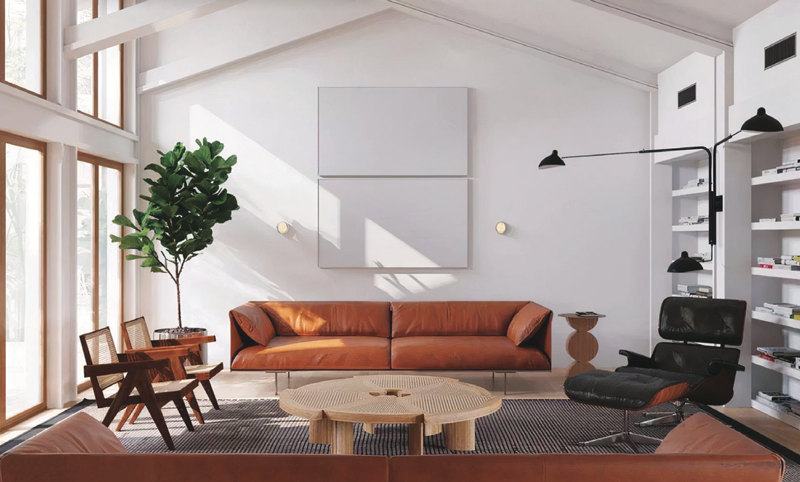
Originating in the post-World War II era, spanning from around the 1940s to the 1960s, the mid-century modern design movement embraced simplicity, clean lines and functional elegance. This timeless aesthetic continues to influence modern interior design today.

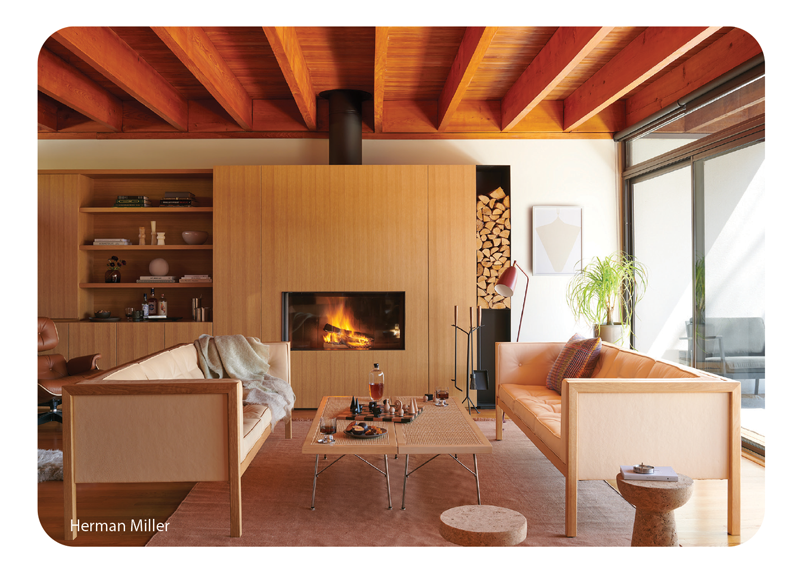
Mid-century modern design is defined by clear straight lines and gentle curves. This style embraces minimalism, avoiding excessive ornamentation or clutter and blends a variety of materials including wood, metal, glass and plastic to create visual interest and add texture. 

“One of my favourite things that defines mid-century design is its integration with nature,” says Shawnna Truelove, Principal Designer/Owner of Truelove Designs. “Large windows and open floor plans are common in mid-century architecture, allowing for a seamless connection between indoor and outdoor spaces.”

Mid-century modern is a design that can complement many other styles, making it an aesthetic that continues to be popular today. “The simple details and organic shapes appeal to a lot of people,” says Ashley Bonello, who co-owns Rume Design Inc. with Michelène Segodnia. She says many modern furniture companies have incorporated mid-century modern in their designs.   

“It’s one of those that can complement so many other styles,” says Truelove. “If you like modern, Art Deco, even traditional, you can  seamlessly mix some mid-century in there, resulting in a space that will appeal to a wide range of tastes and preferences,” she says.

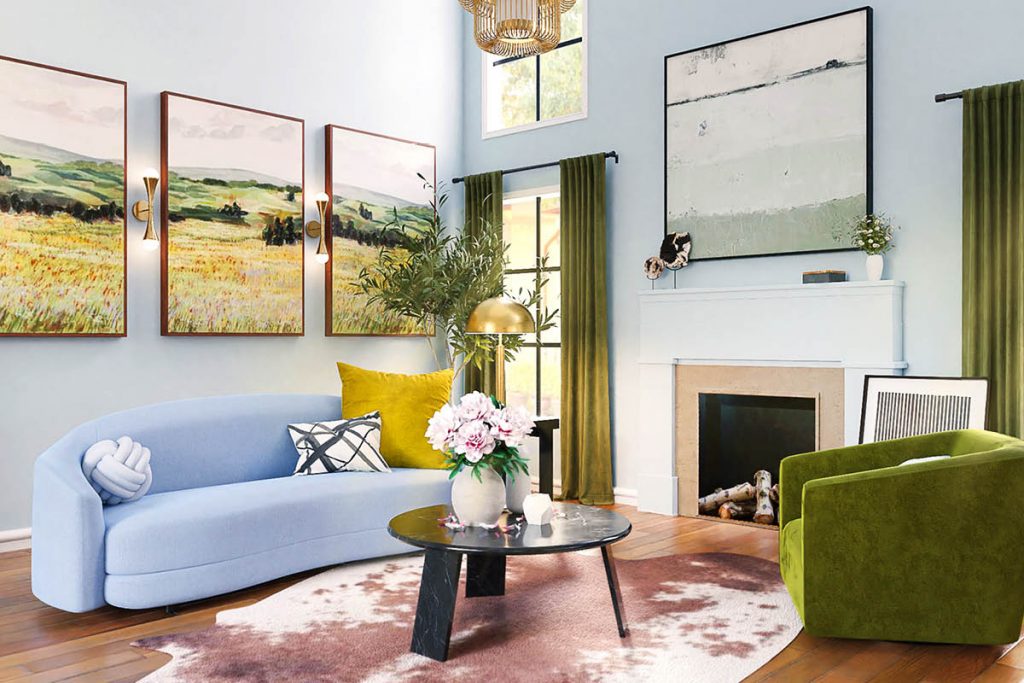
While mid-century modern maintains its core principles, it has evolved to reflect changing tastes, lifestyles and advancements in design and technology, such as using reclaimed wood, recycled metals and eco-friendly upholstery fabrics in response to the trend in sustainability. While traditional mid-century furniture was known for incorporating bold, vibrant hues such as mustard yellow, burnt orange and avocado green, Truelove says the style has adapted to incorporate more muted hues, pastels and neutral tones, to match the latest trends in home design.

Incorporate Mid-century Modern into Your Home

To bring the timeless elegance of mid-century modern design into your home, consider these tips:

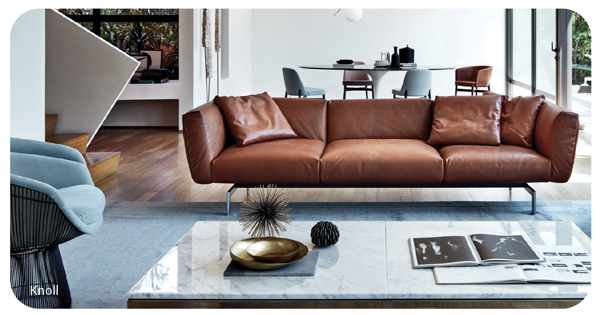
Furniture Selection: Look for pieces with clean lines, such as a statement lounge chair or minimalist dining table. The one staple mid-century piece of furniture Truelove and Segodnia agree can make or break a space is an accent chair. Iconic mid-century modern chairs such as the Eames Lounge Chair or Arne Jacobsen’s Egg Chair are great options. “Look for chairs with organic shapes, tapered legs, and upholstery in bold colours or textured fabrics like tweed or leather,” says Truelove. “No matter what style you’re trying to accomplish in your home, a good mid-century chair can bring lots of character and might just be the wow piece your design is looking for,” she says.

Layer Textures: Layering materials and textures can add contrast, depth and visual interest. “Layering of fabrics, jutes, linens and faux leathers all sustainably sourced are great ways to incorporate (mid-century modern design),” says Segodnia. 

Natural Elements: Incorporate natural materials such as wood, leather and stone to add warmth and texture to your space. Plants are another great way to bring nature indoors. “Add indoor plants in sleek, minimalist planters made of materials like ceramic, fibreglass or metal,” suggests Truelove.  

Minimalist Decor: Keep decor minimal and purposeful, showcasing a few statement art pieces, geometric rugs and iconic lighting fixtures. “Don’t be afraid of colour, especially in art,” says Bonello. “Bold, dramatic art is classic when we design mid-century style.” When adding decor pieces, Truelove advises being selective to stick with the minimalist appeal of the design style, choosing decor pieces with clean lines. “Sculptural figurines featuring abstract or geometric forms are reminiscent of mid-century design aesthetics,” she says. 

Lighting: “I call it the jewelry of the home,” says Truelove, when talking about lighting. Look for pendant lights or floor lamps with clean lines and geometric shapes, such as globe or cone shapes. “Sputnik chandeliers are also a classic mid-century modern lighting option, featuring a burst of metal rods reminiscent of a satellite,” says Truelove.

By infusing your home with mid-century modern design elements, you can create a space that celebrates the timeless elegance and functionality of this iconic design era. 

WHERE TO SHOP

Filter
271 Ottawa St North, Hamilton
filter.design

Joshua Creek Furniture
1029 Speers Road, Oakville
joshuacreekfurniture.com

Anderson’s Interiors
686 Guelph Line, Burlington
andersonsinteriors.ca

Elizabeth Interiors
3225 Fairview Street, Burlington
elizabethinteriors.com

Bungalo Beach
297 Dundas St East, Waterdown
bungalobeach.ca

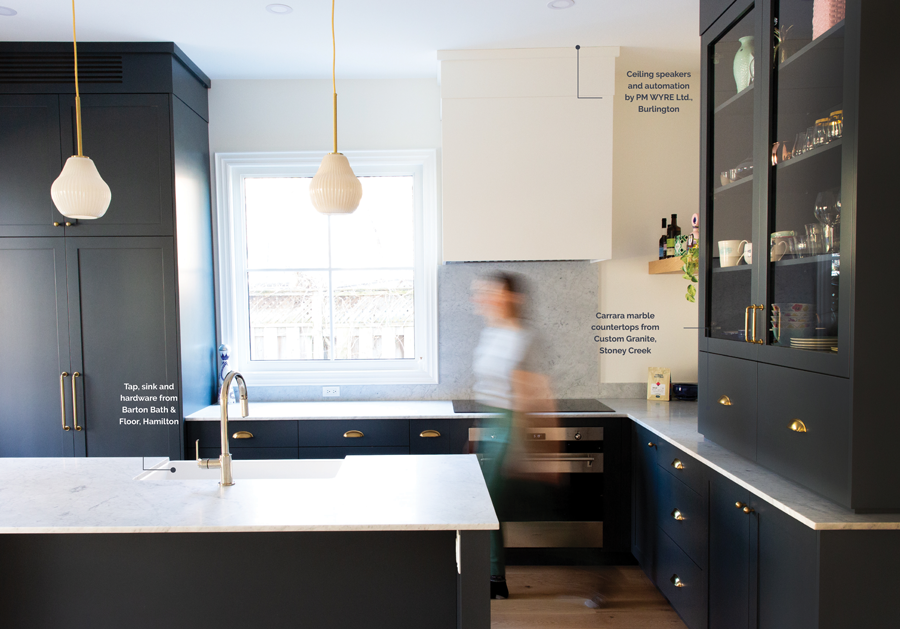
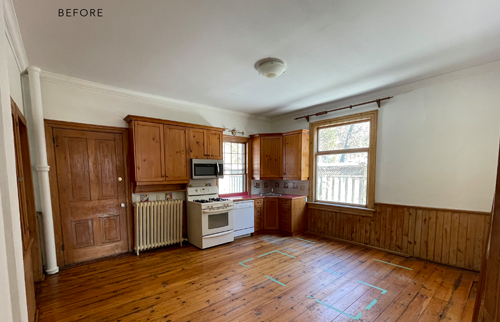
When Oscar Arboleda, founder & CEO of Forest Kitchen & Cabinetry walked into the 1870s Dundas farmhouse, he knew this might be the biggest kitchen transformation he’d ever done. The vintage kitchen had minimal cabinetry and a tiny corner sink. “It was original to the house and not at all functional,” he says. But the homeowners and Arboleda could see the potential of the space. “We started playing with the space and started from scratch,” says Arboleda.

The homeowners wanted a modern kitchen, but didn’t want to lose the character of the vintage barn home. “As much as we wanted to build something modern, we didn’t want to put in something that didn’t go with the house,” says Arboleda.  

The designers faced another challenge. The kitchen area had a lot of space but there were two huge windows and a sliding glass door, leaving minimal wall space to work with to build cabinetry. The homeowners didn’t want to lose the natural light that the windows brought into the kitchen, so closing off the windows was not an option. 

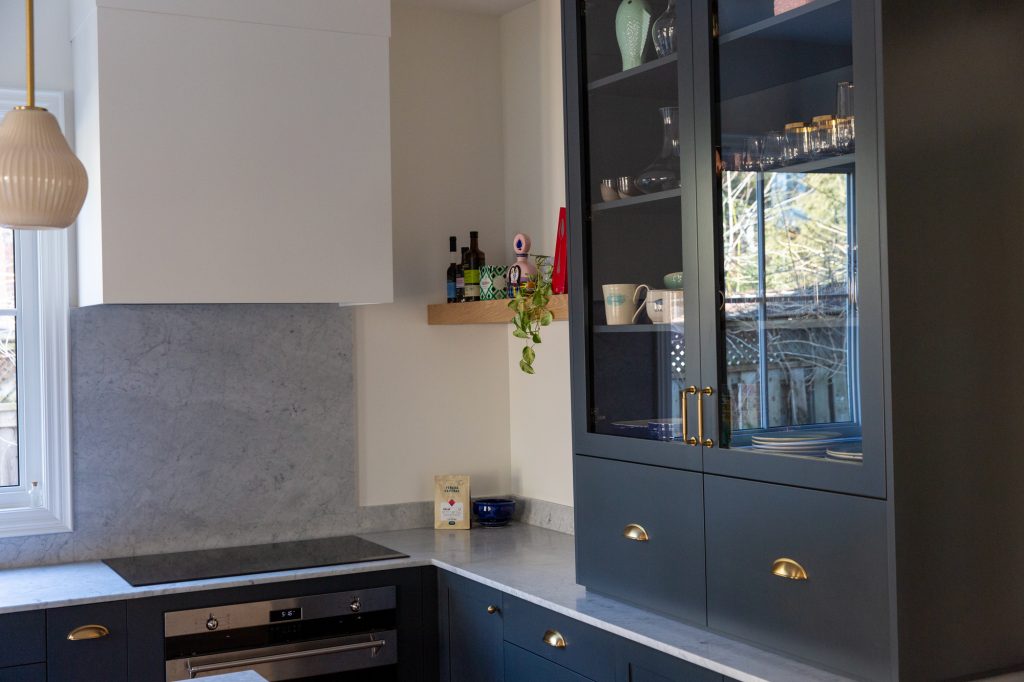
Using the three corners of the kitchen, Arboleda built two cabinet towers in opposite corners, and used the third for the range hood. “When you’re building a kitchen and you don’t have the walls to fill it out, you have to be strategic with lower cabinets with pull out drawers so you utilize every single inch of the cabinet,” says Arboleda. A large island provided additional prep space and storage, adding functionality to the kitchen without taking away from the natural light the windows brought in. 

Finding just the right combination of function and style took some work. “We went through easily 10 to 12 designs until we got the right one,” says Arboleda. 

MIXING STYLES 

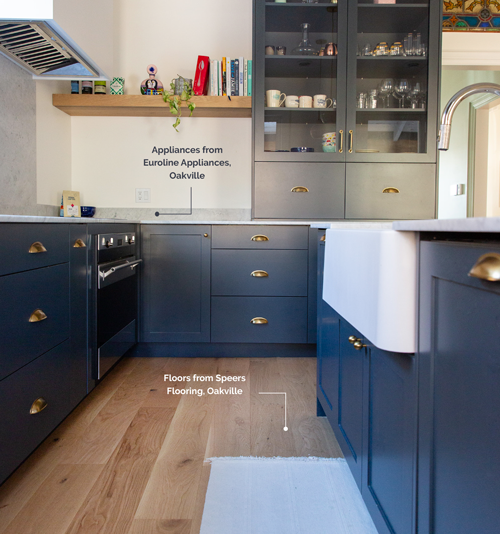
Initially when selecting cabinet doors, the homeowners wanted a conservative shaker style that was modern but not too much of a contrast to the older style home. During the renovation, they decided to put a more modern spin on the kitchen and changed the drawers to flat doors, keeping the cabinet doors as shakers. This was a first for Arboleda who had never designed a kitchen with two door styles in the same space. “It turned out amazing!” 

ISLAND

A large island was key to adding workspace and functionality to the kitchen. “We wanted to make the countertop on the island as big as possible,” says Arboleda. The homeowners chose Carrara marble from Custom Granite in Stoney Creek to complete the look. 

MAINTAIN ORIGINAL CHARM 

The homeowners were concerned with maintaining the original charm of the 1870s home. A farmhouse sink kept some of the home’s rustic charm, and an original piece of stained glass was incorporated into the kitchen design, maintaining the home’s character and charm.

The homeowners were thrilled with their new kitchen.  It’s bright and airy, with tons of storage space, and it achieves exactly what they were looking for combining the original charm with modern functionality. 

From buying second hand to avoiding takeout, choosing organic to driving electric, there are countless ways to tackle climate change and help make the Earth a better place. But the reality is, changing habits can be hard for everyone, even with the best of intentions (remember those New Year’s resolutions?)

One easy and rewarding way to make a difference is to cut our household waste – especially the amount of plastics we toss. Got a full recycling bin every week? Unfortunately, only a small percentage of those plastics actually get recycled (around nine per cent based on Canada’s latest research). In fact, across the globe, less than one-third of plastics labelled ‘1’ or ‘2’ on the bottom of containers are recycled. And, numbers ‘3’ through ‘7’ are much more difficult to repurpose. This means cutting waste means more than eliminating garbage and single use plastics, we need to cut all those plastic containers we toss into the blue bin, too. Not so easy, right?  

Inspired by this year’s Earth Day theme, Planet vs. Plastics, we asked three local eco-friendly stores to help. They recommend top products to help families curb plastic waste and adopt a more sustainable household. 

Christine Kempf is the co-founder of Mrs. Greenway which specializes in products for a low-waste lifestyle with locations in Dundas, Grimsby and Elora. “We always tell people that even one eco-friendly change makes a difference. Many of these choices end up with cost savings as well.” 

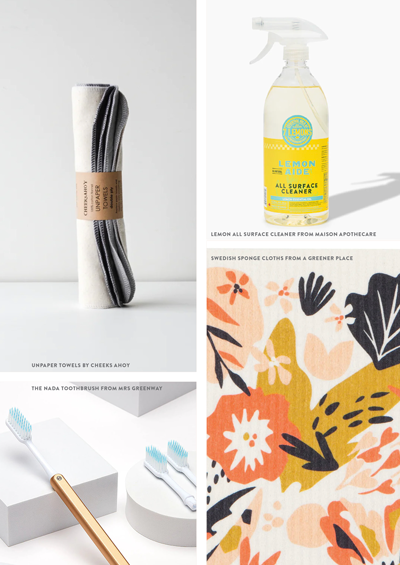
Kempf recommends “unpaper towels” by Cheeks Ahoy to replace paper towels and napkins. Made from 100 per cent recycled cotton flannel, they can be washed and reused hundreds of times before being replaced. Bonus: you can use them to shield splatter in the microwave. “Reusable paper towels means you no longer have to purchase rolls and rolls of disposable ones, saving you money in the long run,” she says. 

The bathroom is another major source of plastic waste. Did you know billions of toothbrushes end up in landfills and oceans each year? The Nada is an aluminum toothbrush with a removable brush head that’s recyclable. Its metal handle will last a lifetime, making this an ideal alternative to the conventional toothbrush that’s not recyclable in municipal programs. 

Oakville-based Maison Apothecare develops its own line of eco-friendly refillable products for the home, from cleaning formulas to skincare. Founder Natacha Rey is passionate about holistic sustainability which she says is “the practice of being intentional with all we do. Our work at Maison expresses this through our ingredients, community and impact on the planet.” 

She recommends adopting refillable formulas for the typical household duties. The store’s lineup includes an all-surface cleaner, floor cleaner, kitchen hand wash, dish liquid, laundry detergent and toilet bowl cleaner – all made with ingredients that are not tested on animals, are biodegradable, septic tank safe and do not contain hormone disruptors.  

“By purchasing refills, you actively participate in reducing waste and minimizing your carbon footprint,” says Rey. You can refill bottles on-site or purchase a five-litre refill box. “For the month of March bring back your empty bottles and get a free refill!” 

A Greener Place is a zero waste online store and refillery based in Waterdown offering an array of products to level up your sustainable lifestyle. Founder Victoria Garofalo recommends two of the store’s bestsellers to help transition to low waste living. 

Ditching the shampoo bottles that collect in the bathrooms is a great start, making shampoo bars a perfect replacement. “They’re great for traveling and they last 50 to 75 washes per bar, plus they work so well,” says Garofalo. 

Cut back on kitchen waste with Swedish sponge cloths that can be composted when done. These popular products can be thrown in the dishwasher or laundry and usually last more than six months. They come in some pretty funky designs, to boot.  

Collectively, we can make a huge difference as more individuals intentionally choose to help heal the Earth through thoughtful shopping and incremental changes in our daily routines. 

“We have seen a huge increase of people interested in making more planet-friendly choices over the last five years,” says Kempf. “When we first opened we had 10 products and a handful of people refilling. Today we have almost 100 refillable products and we see hundreds of people in each week between our three stores!” 

Local Links

A Greener Place
Online only, Waterdown-based
agreenerplace.ca

Mrs. Greenway
2 King Street West, Dundas
mrsgreenway.ca

Maison Apothecare
1173 North Service Road West,
Oakville
maisonapothecare.ca

Simply Green Baby
67 Bronte Road, Oakville
simplygreenbaby.com


Refillery Market
Online only, Burlington-based
refillerymarket.ca

If you’re renovating your kitchen or bathroom, one of the first decisions you’ll make is around tile. Whether for walls or floors, the tiles you choose will help define the overall look of your space, and its prominence can make the decision-making process overwhelming, if not harrowing. It doesn’t help that today’s tile selection is more robust than ever, posing both a benefit and a challenge. 

White or bright? Stone or wood? Regardless of your preference, today’s tiles come in an array of designs ranging from wood to stone, neutrals to bright hues.

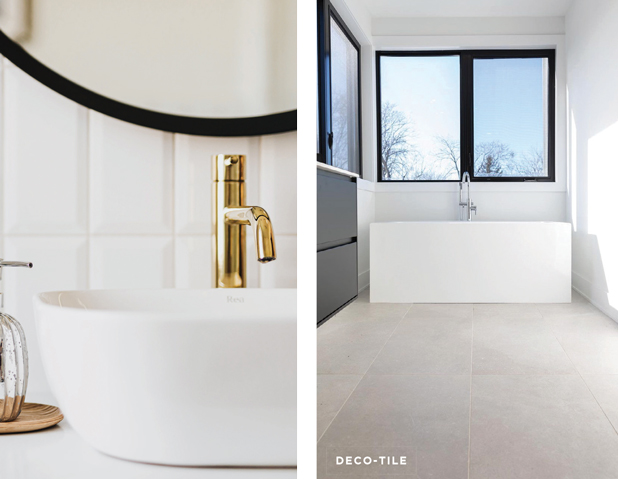
The latest trends indicate a preference for large format tiles (24-inch x 24-inch and larger), according to Victoria Di Fonzo, operations manager for Deco-Tile in Oakville. “We’re excited to see the warmer tones coming back into style,” says Di Fonzo. “Warm whites and warm greys are making a comeback.” 

The Japandi trend, which marries Japanese and Scandinavian, is popular and continues to mature, says Aaron Lamers, operations manager for Barton Bath + Floor in Hamilton. “Think soft tones and subtle textures paired with natural maple and beech wood and linear accenting.”

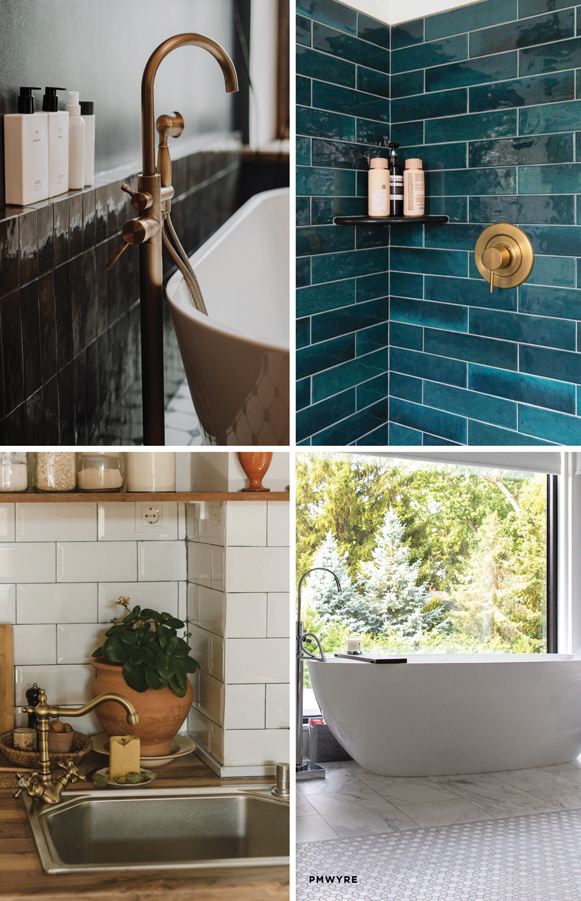
Homeowners looking to brighten up their space, and rebuff the safety of beige, can find inspiration among tile lines offering bold gemstone shades, along with pastel green, peach and light blue. “They can be applied as cheery accents for bathrooms and kitchen backsplashes,” recommends Lamers. 

An up-and-coming trend for kitchen backsplashes is square ceramic tiles, says Di Fonzo, that offer a glossy Zellige (or handmade) look. However, retro patterns with smaller rectangle tiles are still trending, according to Lamers, along with longer subway tiles that have that same irregular handmade look and colour shading. 

For bathroom renovations, clients are using tile to cover more surfaces than ever before, which can help greatly with maintenance over time. Customers are also leaning toward large format tiles for bathrooms which limits the prevalence of grout joints. “It gives the space a larger look and is easier to clean,” says Di Fonzo. 

Tiles play an important role in the design of your dream kitchen or bathroom. Store samples are often available for loan to assist you in your choice, and online tools that help visualize how your room will look can greatly ease the design process. 

Local Links

Deco-Tile, Oakville
decotile.com

Barton Bath & Floor, Hamilton
bartonbathandfloor.com

Eden Tile-It, Burlington
tileit.ca

Opal Baths & Design, Burlington
opalbaths.com

Long Canadian winters can be tough for even the most serious cold weather warriors as we spend increasing time huddled indoors. Creating a sanctuary in the home can be a valuable way to brighten our days, regardless of the weather outside. For me, it includes sinking into the plush velvet of my favourite chair, positioned to catch the morning sun, as my three puppies play at my feet. You know what else brings me joy to this space? My plants. While not everyone may want to add puppies to create their happy space, house plants fit any budget and home. More than just aesthetically pleasing, tropical plants breathe life into your home and uplift your spirits. 

Benefits of indoor plants

Research has shown that indoor plants can increase feelings of peace and happiness in as little as 20 minutes. Certain plants are also known to purify the air, acting as natural air filters to make your living space a healthier environment – no small feat during the season of sniffles and flu bugs. Moreover, nurturing these green companions can be immensely therapeutic and calming. 

Caring for houseplants

For those who have witnessed lush tropicals wither despite their best efforts, re-investing in plants may be a hard sell. But with the right planning, you can be a successful plant parent yet.

Michelle Varlese-Fox, the owner of The Floral Collective Inc. in Kerr Village, highlights the importance of proper placement for plants to thrive in their environment. “You want to keep plants away from direct heat sources, such as vents, and cold drafts like an entryway,” Varlese-Fox says. She also points out that cooler temperatures, less humidity and fewer daylight hours will inevitably slow a plant’s growth rate. 

When it comes to watering, Jennifer Klassen, the store manager and curator at Centro Garden in Burlington, says it depends on the plant’s specific needs. “Some plants need water once a week to every 10 days (such as a Fiddle Leaf Fig, Pothos, Dracaena), and some can handle a lot less water (Snake plant, ZZ plant, Jade),” says Klassen. 

A good houseplant fertilizer is also important, yet often overlooked for newbie plant owners. “There are various types,” says Klassen. “But for an easy-to-use option, try the option that involves mixing fertilizer with water and applying it every three months.” 

Creative Display Ideas

With a little creativity, plants can elevate the style of your interior space. Trendy planters with legs or a stand can add elegance and height to your indoor garden. 

“Just like shoes finish an outfit, so does a container for a plant,” says Varlese-Fox. “There are many creative options to choose from. I also love finding non-traditional vessels.” A rummage through your stash of vintage or unused containers, baskets and dishes may uncover creative display ideas. 

Easy-to-care-for indoor plants

If you still need convincing that you have what it takes to be a plant parent, check out these plants that ‘thrive on neglect’, recommended by both Jennifer and Michelle.  

Snake Plant: A tall, upright beauty that needs watering once a month – perfect for beginners.

ZZ Plant: This tall wonder is practically indestructible; it thrives in low light and needs water once a month.  

Jade Plant: With its sturdy nature, it can handle direct or low light and needs watering once a month.

Green Peperomia: Sporting shiny leaves, this versatile plant only needs water once every 10 days.

Pothos: A trailing, adaptable beauty, it can survive in low light, needing water every 10 days.

Succulents: Requiring minimal watering, curate a collection of these small plants for maximum visual impact. 

Local Links 

THE FLORAL COLLECTIVE, Oakville 
Thefloralcollectiveinc.com 

CENTRO GARDEN, Burlington 
Centrogarden.com 

SHERIDAN NURSERIES, Mississauga 
Sheridannurseries.com 

Along with the crisp autumn breeze and change in fall routines comes a flood of belongings into your home – backpacks, coats, muddy boots, outerwear galore! All of which ends up cluttering your entryway and can make your home feel chaotic from the moment you step over the threshold. 

Keeping your entryway clean and organized takes some planning, but a well-organized foyer can help you get out the door on time, and create a feeling of calm when you get home. 

Keep only what you need

Remove any items that don’t belong in the entryway. “If you are working with tight parameters, ensure only the seasonal essentials are living in this space,” says Megan Arthurs, Oakville-based professional home organizer and CEO of H:OM Organizing. Removing out of season items means you are only looking at what you might need. You don’t need to see your sandals and sun hats when you’re looking for your scarves and boots.  

Make use of vertical surfaces

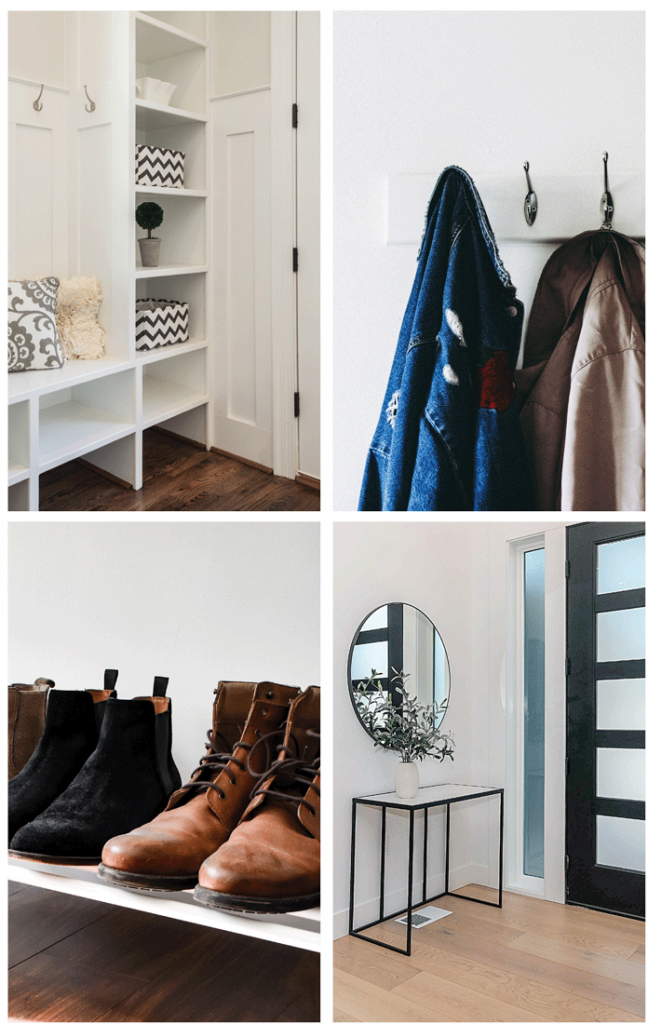
Vertical is your friend in the foyer. Install hooks or wall-mounted racks for frequently used items such as jackets and hats. “You want to try to get as many items off the floor and on the wall,” says Arthurs. 

Add a console table

If you have space, add a console table that can serve as a mail drop zone and add a basket for miscellaneous things like dog leashes, school permission forms and flyers. If you don’t have room for a console table, floating shelves can work well for essentials such as phones, keys and wallets. 

Invest in dual-purpose furniture

The entryway isn’t a space you want to clutter with furniture, especially if you are working with a small space. Arthurs recommends items that are dual-purpose, such as a storage bench that provides seating and is also a place to store shoes. 

Shoe solutions

Shoes scattered around the entryway is not only a tripping hazard, it leads to dirt tracked around the home during the soggy months. If a traditional shoe rack isn’t providing enough storage, consider a wall mounted shoe storage unit that saves on floor space while providing plenty of storage.

Add a rug to catch debris

A rug that can trap debris from wet, muddy fall shoes will help keep the rest of your home clean. Carol Lacher, owner of Nicetys in Oakville, recommends Chilewich rugs. Made in the USA from recycled plastic, Chilewich rugs are low pile, catching debris that can be vacuumed or hosed down. “They last for years and the quality is amazing,” says Lacher. A boot tray is also great for catching excess snow, mud and water, preventing those unwelcome puddles inside your home. 

Seasonal decor 

Adding some touches of the season can help set the mood for fall; however, if your foyer has space restrictions, fall decor can just add to the clutter. Work from the outside in, adding a seasonal door wreath and a doormat. If you have an entryway table, add a few fall foliage items (branches, twigs, pinecones) without overwhelming the space.

Establish a morning routine 

An organized entryway can help simplify your routine by providing designated spaces for keys, backpacks and outerwear so you’re not frantically searching for things when trying to get out the door. Create an assembly line of necessary items so kids can simply grab their backpack, lunch bag and shoes with speed, and make sure everything you need (keys and other essentials) are also within reach. 

Be sure to tidy the hallway on a regular basis to maintain organization for the months ahead.  “The entryway becomes a household dumping zone, so this space needs extra attention on a weekly basis,” says Arthurs. 

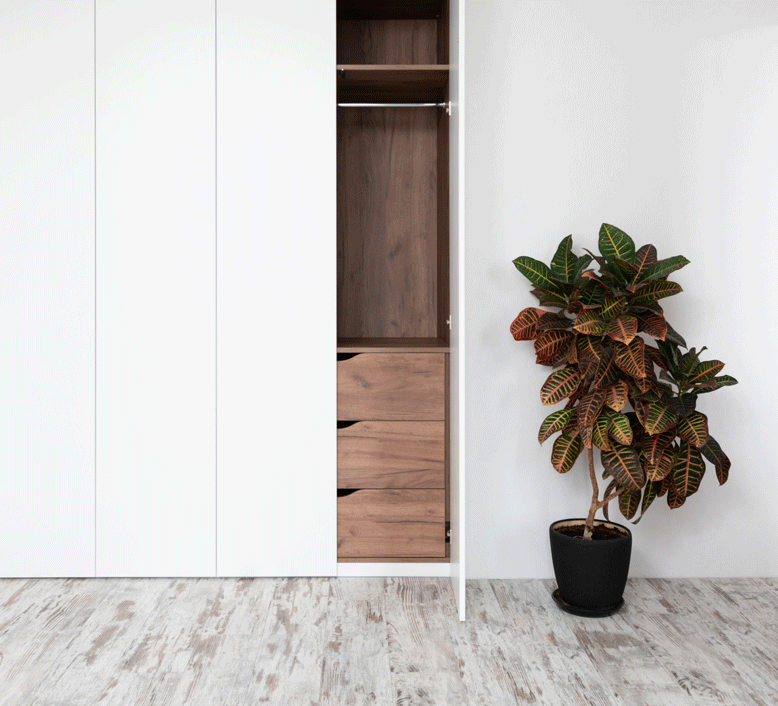
Optimize your closet 

A functional closet adds additional square footage to your foyer. For closet solutions, check out these local businesses: 

Closet Envy
closetenvy.ca

Closets by Design
closetsbydesign.ca

California Closets
californiaclosets.ca

BY LISA EVANS

Need to breathe life into your home while sticking to a budget? Painting is an inexpensive way to freshen up any room. With a bit of time and effort, you can re-energize any space with a fresh coat of colour.

Hot Colour Trends

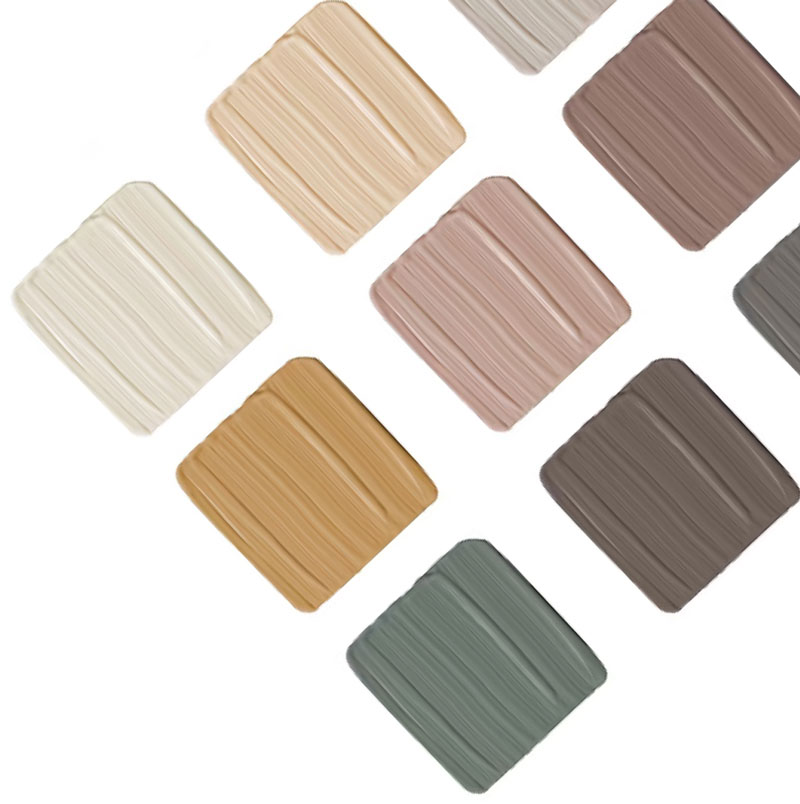
Each year, a new colour palette sets the stage for the coming season, and this year is no exception. “We are seeing dark and moody blues and greens,” says Iva from Dove+Arrow in Oakville. She adds that jewel tones are generally popular for a dramatic look and that a surprise pop of pink has emerged, inspired by the Barbie movie. Regardless of the trends, choosing a wall colour is uniquely personal and has more to do with your taste than the latest style. Are you looking for a calm ambience? Stick to neutrals. Do you want to bring an energetic mood to the room? Choose a bold new colour. If you’re on the fence, keep walls neutral and add punches of colour with a bright cushion, lamp or wall art.

What Paint Should I Buy?

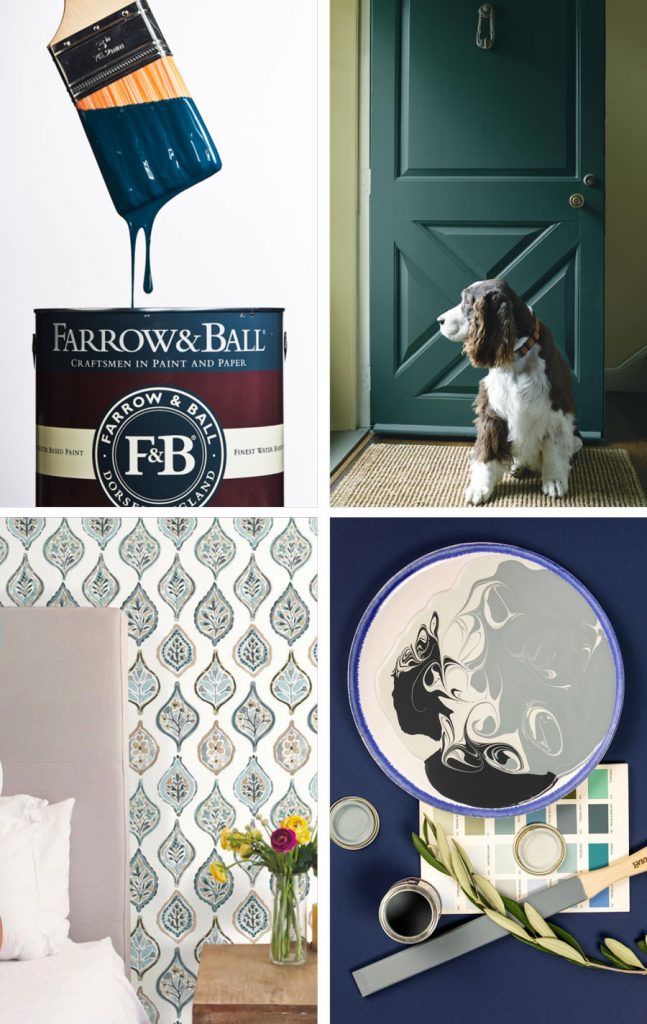
When choosing a paint brand, look for one that’s washable, especially if you have children. Paint finishes with a higher sheen are easier to clean. A satin finish has a higher gloss and is excellent for a child’s room, baseboards and trim. An eggshell finish gives a slight shine to walls, while a matte finish has less sheen, and both are very wipeable. Flat finishes are harder to clean and show more wall imperfections. Bathrooms and kitchens require a paint formulated for humid environments that are mildew resistant. Whatever your preference is for brand, sheen or colour, be sure to buy the correct type of paint for the room.

Tips for a Flawless Room

Before you paint, patch any holes with a patching compound. Patch in skim coats, scraping the excess with a spreader. Once dry, use a fine-grit sanding block to gently sand the patched area. It should feel smooth with no apparent lumps or bumps.

Most latex paints today are created with primer built in, which means better overall coverage on the walls. It also means you can skip priming the entire walls first, unless you cover a very dark colour with a very light one. However, you do need to seal the patched areas. To save time, use the paint colour you have purchased and brush a thin coat over the patching with your brush. This acts as your primer coat and seals the patch before you roll the walls.

Be sure to buy a good quality angled paint brush (1.5 to two inches) and cut in the perimeter of the room to create a nice, clean edge. Once the walls are rolled, allow sufficient drying time between coats. The higher the humidity, the longer a room will take to dry, so be sure to have the air conditioning on during warm days or run fans to circulate the air.

Whether you’re painting a bedroom, basement or bathroom, choosing the right paint and prepping the walls will ensure a successful project every time.

by Julie Achtermeier

You may not be able to perform cannonballs or run around the deck screaming Marco Polo, but the swim spa may be the next best thing to the backyard swimming pool. It combines a swimming pool’s fitness benefits with a hot tub’s hydrotherapy. And while the swim spa may be perceived as a backyard luxury item, it is considerably less expensive than putting in an inground pool and can accommodate any size yard. 

Swim spas contain a jet system allowing you to swim in place, eliminating the need to do laps in a full-size pool. The movement of the water creates a counter-current to mimic the sensation of swimming in the river or ocean so you can exercise within a much smaller area. The jet system also provides the relaxation and therapy of a hot tub with the ability to adjust the temperature within a few hours. Hydrotherapy delivers deep relaxation to muscles, promotes stress reduction, and helps reduce the symptoms of chronic pain conditions like arthritis and fibromyalgia. With a swim spa, you can improve your physical and mental well-being all in one system. 

Not All Swim Spas are Created Equal

If you search “swim spa” on the internet, you will see a long list of options and styles, including their ability to be used year-round. “All-weather pools are designed and built for the Canadian climate. Not all swim spas are,” says Aaron Pilon, VP of sales and marketing at Arctic Spas. “Pools must be tested for long durations and consider fluctuating temperatures, not just extreme cold. Not all manufacturers understand the Canadian winter.” 

It’s not unusual in Ontario to see -20 C one week and above zero the next. A pool system not designed and insulated properly will not protect against fluctuating temperatures, causing materials to expand and contract. Over time, this can damage the pool causing costly repairs. 

The design and fit of the cover also play a critical role in maintaining the pool temperature in winter and help keep energy costs
down.  

Choosing Your Perfect Spa

Swim spas come in various sizes and styles, but choosing one can be complicated without some helpful guidelines. If you’re researching a swim spa for your family, consider these tips:

Clarify what exercises you can do in the swim spa. Some models can install rowing bars or require a tether to keep you in place while swimming. Also, understand what can be adjusted, such as the resistance of the water current, the jets’ water pressure, and the pool’s jet arrangement. 

“Be sure to inquire about the pool’s construction and how it is designed for the Canadian climate,” says Pilon. “A good salesperson will walk you through the design of the pool, not just its features.” Also, ask about the heating system and how long you can expect the pool to take when heating to hot tub temperatures.

Consider pool maintenance and whether there’s a self-regulating saltwater option. Traditional chemicals can cost both time and money. Do filters need to be changed, and how often? Ask where the swim spa is made and the manufacturer’s warranty, and check Google reviews. 

A swim spa may be the perfect addition to your backyard offering unending outdoor family fun, a full-body workout and a therapeutic soak any time of year. 

By Julie Achtermeier

Local Links

Arctic Spas, Burlington
arctichottubs.ca

Pioneer Pools, Oakville and Burlington
pioneerfamilypools.ca

Factory Hot Tubs, Oakville
factoryhottubs.ca

International Pool & Spa, Oakville
interpools.com

Leisure Industries, Oakville
leisureindustries.ca

Think you’re powerless to help the environment? Think again. A patch of soil is all you need to support pollinating insects and birds. You can easily transform a garden bed, or even planters on a balcony, into a colourful habitat that’s brimming with life.  

What’s all the buzz?

Over time, garden centres have introduced increasingly “showy” plants that are easy to grow. Unfortunately, these human-bred cultivars support only a fraction of the wildlife that native plants do. The good news is that any home gardener can help rebuild lost habitat and renew the ecosystem.  

Pollinator gardens clean our air and filter our water. They require little, if any, watering once established and don’t need fertilizer. Their extensive root systems control erosion, heal soil and absorb storm water. Most importantly, they support life and give endangered pollinators a fighting chance. 

How the magic happens

When pollinators search for food, they’re often directed by light patterns and scents that flowers give off. According to Charlie Briggs, director-at-large for Hamilton Naturalists’ Club, many insect pollinators only travel a few hundred feet from their nest to locate the native flowering plants they have co-evolved with. 

“Many pollinator species have very specific relationships with certain families of plants, or even exact species that they require to continue their existence,” Briggs says.

When a pollinator recognizes its plant, it will feed on nectar, pick up pollen, drop pollen to the next plant… and essentially sustain life on this planet.

Getting started

Your pollinator garden should include various bloom colours, sizes, shapes and plant heights to attract a diversity of pollinators. More than just flowers, the best pollinator garden should also include host plants – where a pollinator lays eggs, eats and lives. Flowers are great for inviting pollinators to visit, but host plants are how you get them to stay! So include native forbs (wildflowers), grasses, shrubs and trees in your garden. 

Keystone species in Ontario include asters, goldenrods, sunflowers and strawberry. Some beautiful native sedges and grasses are ebony sedge, fox sedge, switchgrass, Indian grass, and ‘big’ or ‘little’ bluestem.

“Pollinator-friendly gardens will support pollinators in every stage of their lives from larvae to adults,” says Apryl Lark, a volunteer with Butterflyway Hamilton. “This requires not only flowers that produce pollen and nectar but host plants that provide food for their larvae.” 

What about balconies?

You can plant in containers if they’re large enough to support root systems and hold enough water. Containers require frequent watering. If your containers get full sun, consider planting black-eyed Susan, and a host plant such as wild strawberry or butterfly milkweed. For shade, you can plant Christmas ferns, Solomon’s seal, and wild columbine, wood asters or Pennsylvania sedge as host plants.

Where to find native pollinator plants

Mainstream garden centres don’t sell many of the true native plants that pollinators recognize. Try these sources instead:

Nurseries that grow native species (see sidebar). Also, many gardeners order native plants from sources such as onplants.ca.

Networking and events. Look for “Seedy Saturday” events in your area where people buy or trade seeds and plants and exchange gardening tips. Or join your local naturalists’ group, where members often sell or give away native plants.

Harvest seeds. Many of the hardest working native flowering plants are overlooked by us on our forest and road side borders. This fall, take a paper bag and pick a few. “Common milkweed and New England aster can be easily found in southern Ontario,” Briggs says. “Ripe seeds, when sewn in your garden in the fall, will reward you with your own plants come spring time.”

Have fun creating your own little patch of paradise. Millions of life-sustaining microorganisms, insects and birds will thank you.  

By Michelle Morra

Kids love to play in the dirt. Caring for a garden can turn playtime into a fun learning experience and, psst, it may even help you sneak veggies into their diet. 

Check out the many benefits of making gardening your family’s new hobby.

Appreciation of where food comes from

Growing a garden not only helps kids connect with nature, but introduces them to sustainable living. “Seeing that growing fruits and vegetables can have challenges, such as weather, animals and insects, makes us more aware of the effort that farmers put into producing the products that fill the produce aisles in the grocery store,” says Valerie Kristjanson at Connon in Waterdown. Kids may be less inclined to let food go to waste, as a result.

An outdoor science classroom

While kids are digging in the dirt, they learn about weather, soil, plant classification and how food grows. It’s a safe way to experiment (without worries about kitchen explosions) and see the “fruits” of their labour.

If they grow it, they will eat it

Looking for a way to encourage your kids to eat their greens? A garden might be your gateway. Cutting herbs or plucking string beans are both easy ways to get kids to help in the kitchen. “Harvesting your salad for dinner is rewarding and a good way to involve kids in the meal prep and, hopefully, encourage them to want to eat what they’ve grown,” says Kristjanson.

Watch your patience grow

Patience is a virtue, but not an easy skill to develop in this age of video streaming and instant messaging. Gardening provides an opportunity for kids to exercise their patience muscle as they wait for seedlings to mature and bear fruit. Crops take time to harvest; just make sure you involve them in the garden’s progress or they’ll lose interest.  

Kid-friendly plants to grow

Some plants are more challenging than others. When gardening with kids, you’ll want to choose plants that are relatively low maintenance and yield a crop quickly. To save time, consider buying seedlings at your local garden centre.

Beans and peas

These kid-friendly vegetables are delicious and quick-growing. Beans and peas emerge from the soil after about a week of planting from seed and are ready to harvest in about six weeks.

Lettuce

Lettuce grows quickly and allows for planting more than one crop per season. You may even get your kids to enjoy eating a salad! Just be sure to wash thoroughly, bugs love to nestle in the leaves.

Carrots

This simple crop is one that most kids love to eat. They take around 60 days to germinate but are easy to grow from seed.

Cherry tomatoes

A kid-favourite for their size and sweetness, cherry tomatoes are easy to grow as long as they are given lots of sun and water. Consider buying seedlings to cut kids’ waiting time.

Sunflowers

These larger-than-life flowers are easy to grow and have great appeal for kids.“It’s fun for kids to stand beside them and watch them get taller,” says Samantha Harvey, manager at Terra Burlington.

Gardening tips for kids

Keep it simple.  A small raised bed or a few potted plants in a sunny spot is all you need to get started. You may even want to give your child one pot to take care of to foster responsibility.

Skip the plastic tools. Give kids real metal tools and kid-sized gloves so they can work effectively. Having real tools acknowledges the work they’re doing and helps build independence.

Kids can enjoy the benefits of gardening at any age.  This summer, consider nurturing a lifelong appreciation for nature, fresh veggies, and (if you’re lucky) cooking with a family garden.

By Lisa Evans