

Category

Home & Garden

Category
“By any other name would still smell as sweet”
By Becky Dumias

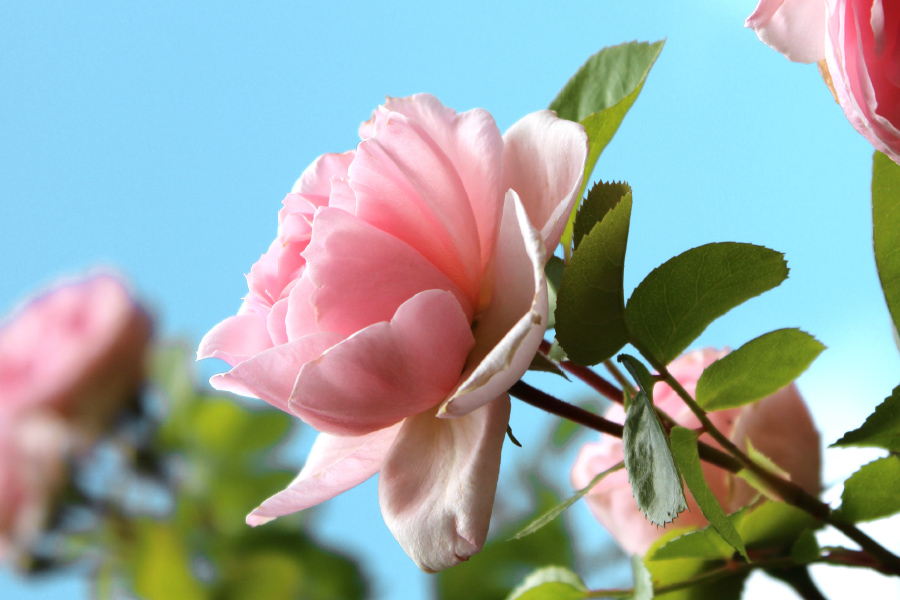
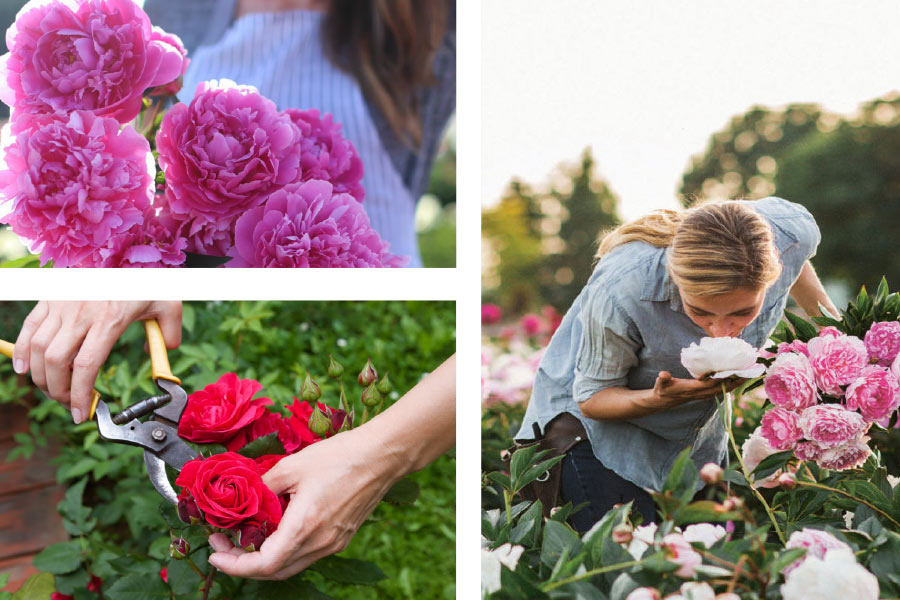
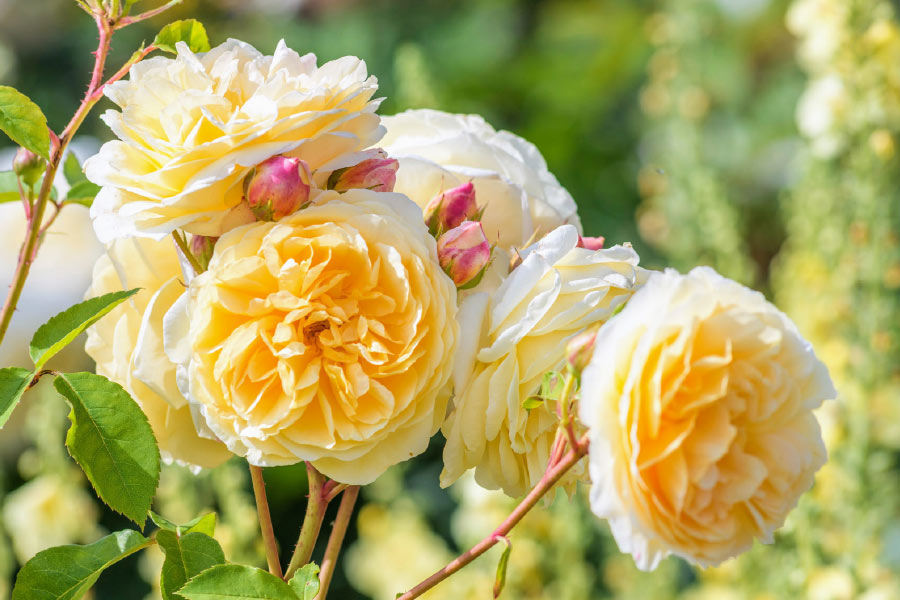
Is there a flower that’s been romanticized and revered as much as the rose? Not likely; this particular bloom has been the subject of many stories and poems, and is a staple of many avid gardeners.

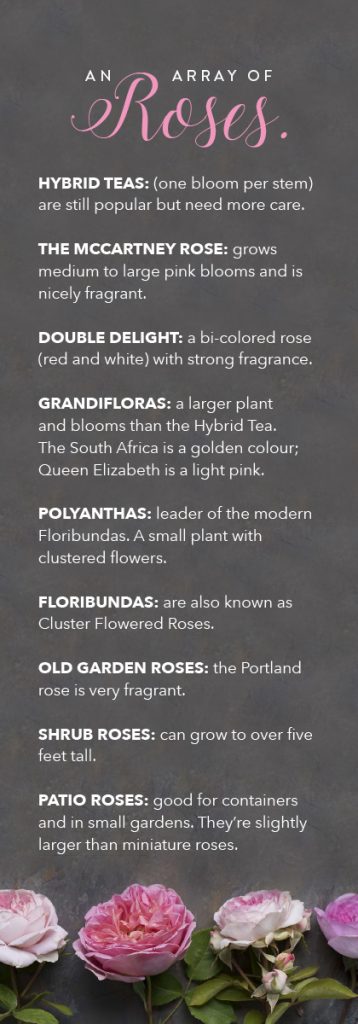
There are thousands of varieties of roses but they can be divided into three main categories: species, old garden, and modern shrub. Marie Decker, President of the Hamilton & Burlington Rose Society and Past President of the Oakville Horticultural Society, directs growers to research by Jessica Bond, Curator of the Rose Garden at Niagara Parks, for the best roses to plant here in our climate. She found that those most resistant to black spot (our most difficult rose problem) are: Hybrid Tea “Traviata”, Floribunda “Brother’s Grimm”, Hybrid Tea “Midas Touch”, Kordes Floribunda “Out of Rosenhelm”, Kordes Floribunda “Poseidon”, Hybrid Tea  “McCartney Rose” and of course, the new “Canadian Shield” shrub rose that marks Canada’s 150th anniversary. This new rose will be available
in July.

Halton Roses

Finding the perfect bloom isn’t as simple as visiting a garden centre. Decker suggests you ask a lot of questions first, such as how big it will grow and where the root stalk came from, whether Canada or the deep south. “Preferably ask for hardy Canadian roses such as the Explorer series, Parkland series, Artist series and 49th Parallel series. The “Canadian Shield” rose comes from the 49th parallel series,” she explains. “Canadian Shield was part of the rose stock transferred from Morden, Manitoba to the Vineland Research Station in 2011.” As its name suggests, Canadian Shield is a hardy rose that’s resistant to black spot and is winter hardy from coast to coast. Plus, it’s a repeat bloomer of reds with glossy green foliage, so it’s meant to stay stunning throughout garden season.

Caring for roses can be tricky, even for the experts, but at minimum Decker notes roses should be cut back and mulched deeply before winter. “Clean up all the debris on the ground and prune them in the spring,” she explains. You can always contact the rose society for detailed pruning instructions.

Halton RosesPLANNING & POTTING

If you’re just in the planning stages, the most important aspect of creating a rose garden, says Decker, is preparation and research. Ask yourself how much time you want to invest in care and maintenance (when she answered the phone for this interview she had to remove her gardening gloves first). “Make a plan on paper first of the garden area and consider what colour and type of roses you want to grow. Have a wish list – then prepare to refine it.” 

CARE & FEEDING

Your roses will need about six hours or more of sunlight and very good drainage. “Amend the soil if needed with triple mix, compost,” she says. Using MYKE (a 100% all natural growth enhancer) can aid in good root formation. Your roses should be spaced well apart for proper air circulation (again proper research comes into play). You should also dig a large enough hole to accommodate the root system. Grafted roses should be at least two inches below the soil level to prevent winterkill.
If you want to make sure that your rose garden doesn’t become a real thorn in your side, you can learn more by visiting local society and horticultural group shows. Experts will be on hand to educate and enlighten you about their passion for roses. The Hamilton-Burlington Rose Society’s show is happening June 24 – 25 at the
Royal Botanical Gardens. 

Joyce Fleming was our most known rose hybridizer. Google her for a list of her roses.

Local Links

Burlington Horticultural Society
burlingtonhs.com

Oakville Horticultural Society
oakvillehort.org

Royal Botanical Gardens
rbg.ca

Hamilton – Burlington Rose  Society
hbrosesociety@sympatico.ca

Halton Roses

Garden kits will help pollinators – bees & butterflies – in your yard.  Looking to get your garden started or refresh it with some perfect blooms? Conservation Halton’s Garden In-A-Box kit of perennial native wildflowers which will bloom year after year.

There are three different kits to encourage residents to plant native plants in their gardens to help protect pollinators like the Monarch butterfly. The shade kits are sold out; however there are still some sun and rain kits available.

Kits are $45 plus tax each. For more information and to purchase your kit, visit the Garden In-A-Box webpage. The kits will be available for pick up this Saturday (just in time for Mother’s Day) at the Conservation Halton Administration Office, 2596 Britannia Road West, near Guelph Line in Lowville.

Each kit is ideal for an area about 4 feet x 8 feet. Each plant is wrapped in coco fiber pots so it’s easy to just plant them directly into the ground. In their second or third year of growth they should fill the area nicely. If you prefer a very full garden, you may want to consider doubling the number of plants for your space.

Free Homeowner Gardening Workshops in Burlington and Oakville in May

Conservation Halton’s free Homeowner Gardening Workshops continue this week in Burlington and Oakville. Our staff experts will lead you through all the steps to creating a gardening plan which is low cost, environmentally friendly and enhances the beauty of your garden and curb appeal. The remaining sessions are:

  • Burlington, held on Tuesday, May 16 from 6:30 – 8 p.m. at the L.G Branch Auditorium at Mainway Community Centre (4015 Mainway, L7M 2L7)
  • Oakville, held on Thursday, May 25 from 6:30 – 8 p.m. at the Queen Elizabeth Park Community Center Rehearsal Hall (2302 Bridge Road, L6L 2G6)

Register in advance for the Burlington Homeowner Gardening Workshops or click here to register for the Oakville Homeowner Gardening Workshops.

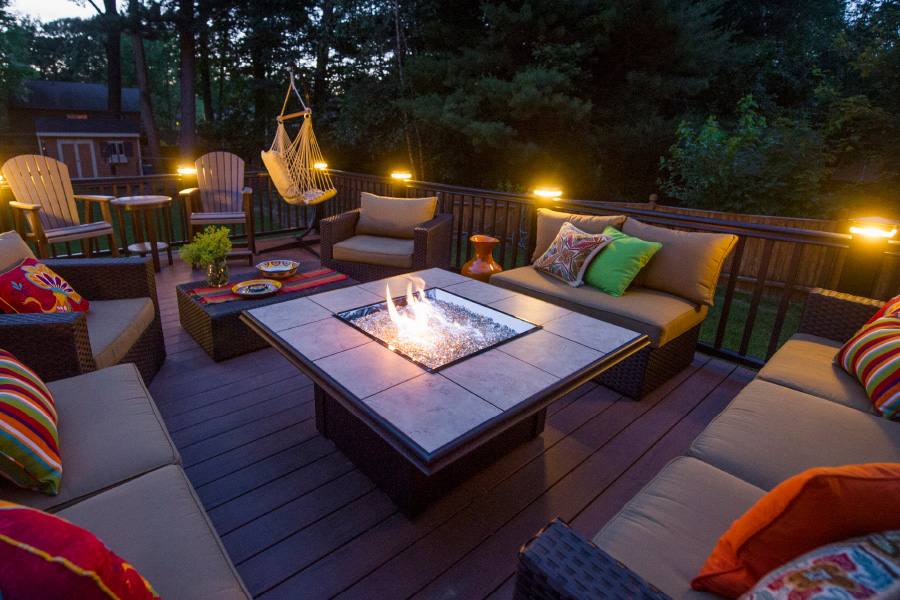
Who says all the best parties end up in the kitchen? Backyard gardens are the perfect place to host a great gathering, especially during the warmer weather. 

Be it a grand event or a low-key get together, from weddings and receptions, to graduation parties, birthdays and baby showers, make the most of our spring and summer seasons by transforming your backyard living space into a place to celebrate, lounge, chat and enjoy a little sunshine (or starlight).

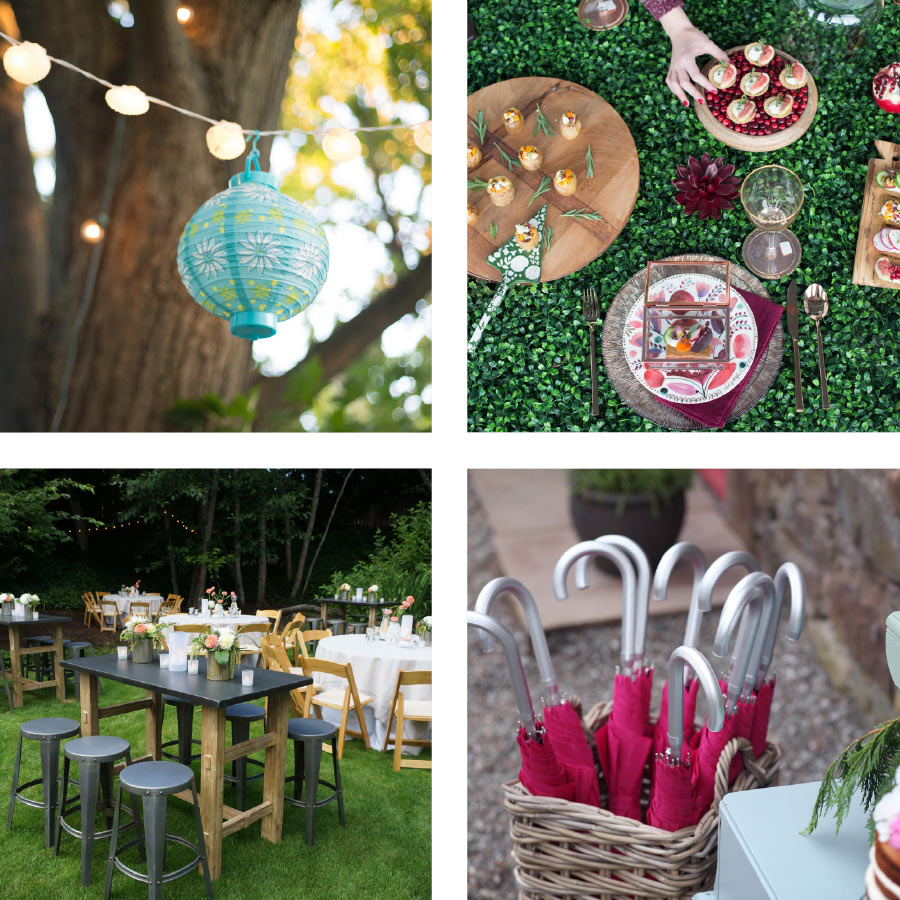
Of course, weather is one of the biggest factors to take into consideration when making any arrangements for an outdoor event. In other words, never assume Mother Nature will co-operate with your plans. “Sun and heat can drain the life out of a party faster than anything, even rain,” says Krista Olynyk, Lead Planner and Creative Designer of Burlington-based KJ and Co. “I always suggest providing shade in the summer months, with umbrellas or tents so people can get out of the sun if they want. Even providing sunscreen is a great idea.”  

The menu is also a big consideration, depending on the type of event you’re hosting. If a fork and knife are needed to eat, you’ll want adequate and comfortable seating for your guests to enjoy their meals. If more casual finger food is planned, it can probably be consumed while standing and mingling. She also suggests making it clear where waste should go, with clearly marked receptacles to reduce post-party cleanup. “Parties can be formal or informal, and I provide recommendations for everything you might need to make it a success, from gourmet barbecue to buffet style.”

Garden Parties

Interior Designer and owner of Bash Panache Rental Collections and Services (a division of Reimer Design Inc.), Wendy Reimer, offers a variety of high end globally curated rentals for all types of events.  Reimer loves to create outdoor seating lounges and dining areas by incorporating antique and reproduction furniture pieces, down-filled cushions, beautiful dish and glassware and accessories in the garden to bring the indoors outside.  All of these details matter and make a big impact when well planned.

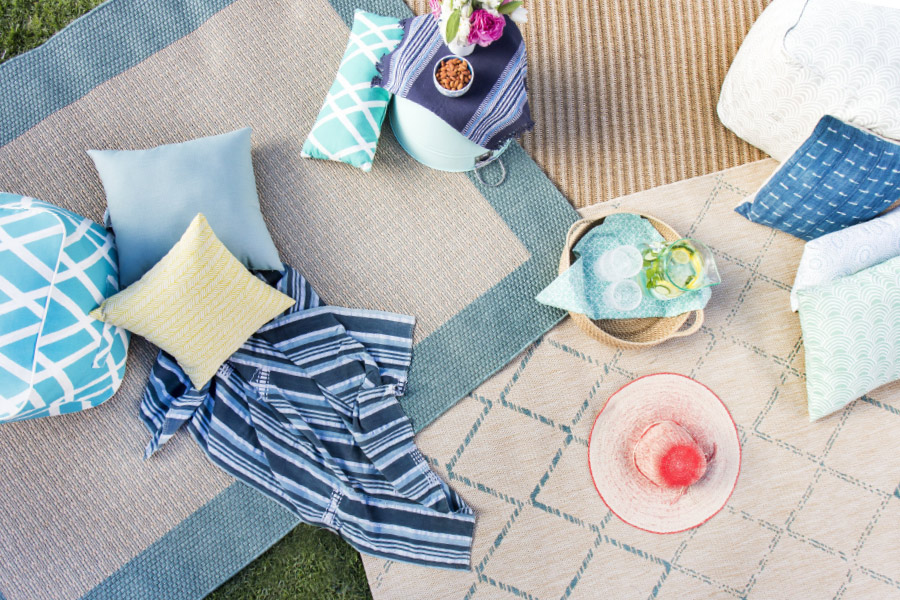
Reimer believes that making your guests feel comfortable is paramount.  Pretty baskets filled with environmentally friendly insect repellent, optional fun hats for the guys and paper parasols with bamboo handles for the ladies are always well received.  They are functional in terms of providing a reprieve from the sun’s rays, and when co-ordinated to work with your party’s colour palate, they bring style to any event!  With busy lives a reality for most, Reimer likes the idea of streamlining the process by providing clients with convenient one stop shopping.

Reimer also suggests letting guests know in advance what type of footwear might be appropriate. “If on the grass, do make your guests aware of this ahead of time. There is nothing worse than a woman arriving in heels only to be struggling with sinking into the lawn.  Wedges can solve that problem or flip flops if a more casual affair.”  

Garden Parties

Some other items you don’t want to forget about include enough ice for the drinks, mood lighting and music, whether it’s a string quartet, a DJ spinning some dance tunes, or simply a playlist of favourites you’ve put together yourself. But parties don’t have to be elaborate to be fun and successful, and keeping it simple doesn’t mean overlooking the overall theme and appearance of your gathering. If your budget is a little tighter, you can still be aesthetically pleasing with bold summer colours, floating tea light candles, white string lights, homemade flower arrangements and a do-it-yourself barbecue.

In the end, parties are always about having fun, so keep your stress levels in check by hiring a professional planner to help you out, or keep it all low-key and simple and go it alone. Either way, don’t forget to enjoy yourself!

by Alison Dempsey

Local Links

Bash Panache Rentals
bashpanache.com

KJ and Co
kjandco.ca

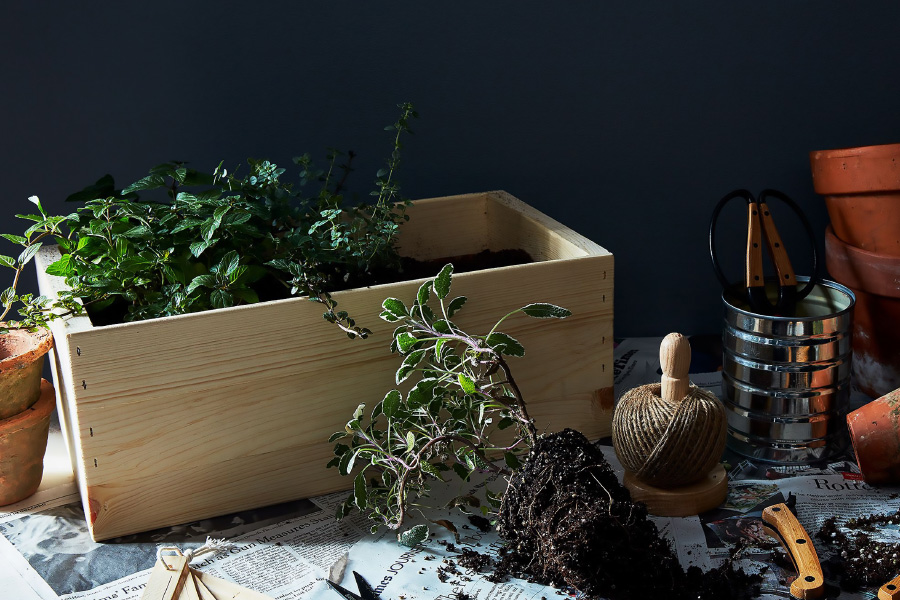
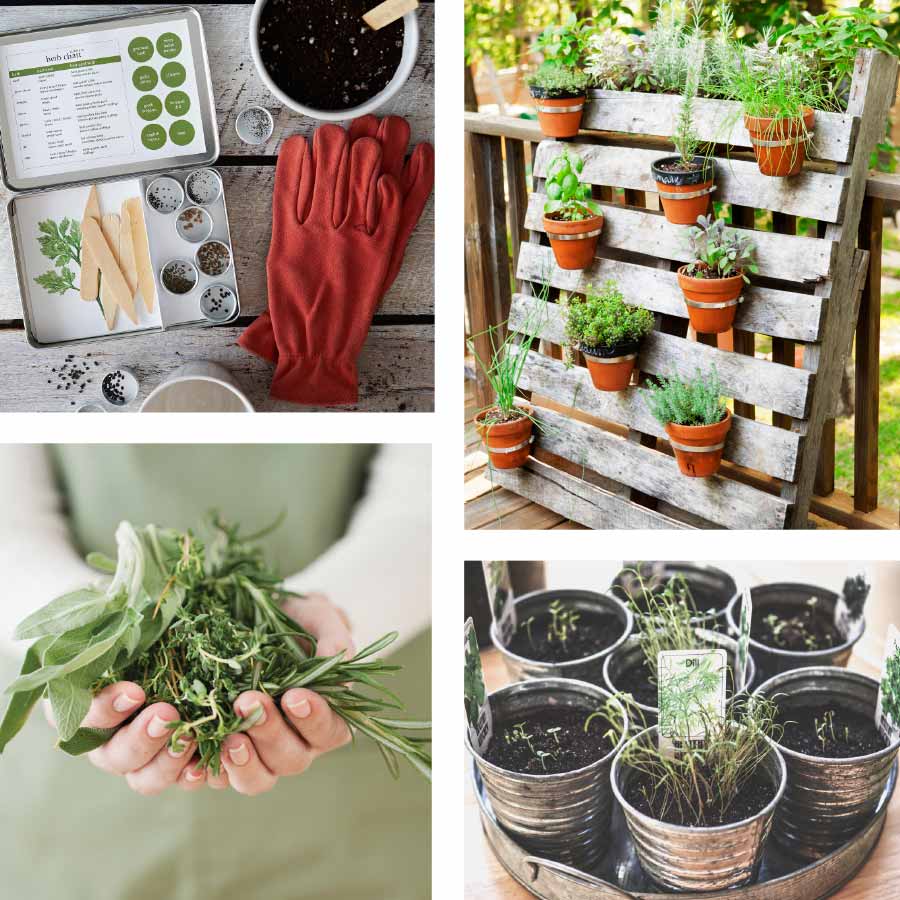
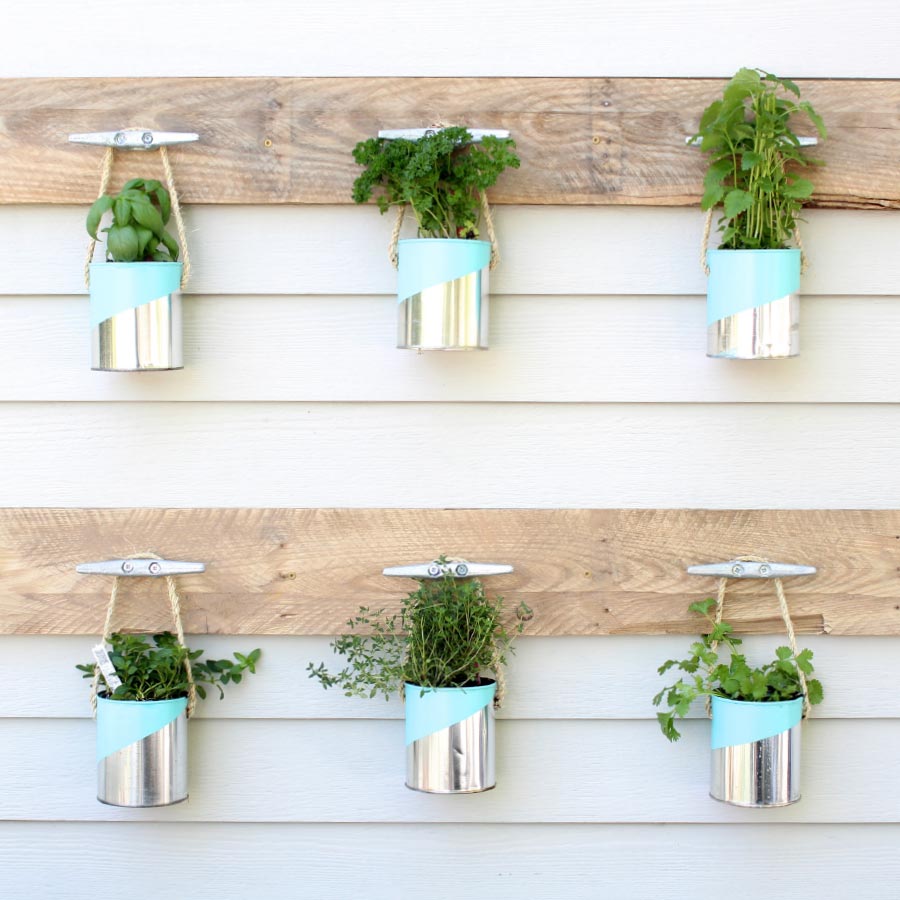
Using fresh ingredients is always best, especially those you’ve proudly cultivated yourself. Creating your own DIY herb gardens is a great way to liven up your cooking, impress friends and family, and keep your recipes unique and healthy.

Herbs are not only perfect for cooking but also as deodorizers, insect repellants, natural antibiotics and even pollinators for bees. Many contain plenty of health properties and vitamins. “Basil is definitely the most popular herb grown and used,” says Jennifer Klassen, manager at Centro Garden in Burlington. “There are lots of different varieties and flavours available, and it can be used in lots of different recipes.” Mint is the easiest to grow, she adds, as it’s hardy and vigorous (and garnishes a great Mojito).

If nothing else, cultivating a personal herb garden will do wonders for your experimentation in the culinary arts. “Always check with your nursery staff when you make your purchase to get the best advice and tips for care, such as planting, transplanting   watering and sun exposure,” she says, as the trained professionals will know best about all the different aspects to help grow your garden. But, what’s her biggest piece of advice? “Herbs are meant to be used! The more often you use them, the healthier the plants will be and the longer they’ll last.”

Other tried-and-true tips include transplanting outdoors at least two weeks after the danger of frost has passed, and ensuring the removal of flower stalks from the mature growth when they appear. But, leaving some flower stalks on herbs like basil blossoms will attract bees and butterflies.

DIY Herb Gardens

Lemon Balm, a member of the mint family, has a lovely aroma. It can reduce inflammation, prevent infection and relieve an upset stomach, while oregano can help with fungal infections and muscle aches and pains. Parsley is antibacterial and can help with bad breath, while it’s also great in dishes such as pesto and salad dressings. Sage eases fever, stomach issues and can treat mouth and throat infections. Mint can clear sinus congestion and headaches, while rosemary, a wonderful ingredient in many meat dishes, also helps repel mosquitoes and other outdoor pests. There are just so many different uses for popular and easy-to-grow herbs. “Don’t forget about your pets,” suggests Nursery Supervisor Adele Bakhous at Sheridan Nurseries in Oakville. “Catnip and cat grass are great herbs that your pets will especially enjoy.”

Bakhous suggests using organic fertilizer with good drainage to avoid root rot, and to let the soil dry a bit before watering.  Also, most herbs thrive in bright, sunny areas. “Remember to pinch them, not cut them, and they’ll last a lot longer.” Herbs can be grouped together in a pleasing arrangement or be planted separately, depending on their individual growth needs.

Many herbs can successfully be grown from seed, but gardeners can also do well with clippings. If you have them growing indoors during the cold months, you can transplant them outside in the warmth and sun. Bakhous suggests planting around the BBQ so you can easily use them while preparing your favourite grilled meat and veggies.

All herbs have varying germination and hardiness levels, require different spacings and different harvest periods. Check with your nursery when you purchase them to get the best advice about care and watering tips. Whether you’re using your herbs to cook, to decorate or to make your home smell beautiful, herbs are a perfect addition to any garden, big or small, indoors or out. 

by Allison Dempsey

DIY Herb Gardens

Local Links

Centro Garden, Burlington
centrogarden.com

Sheridan Nurseries, Oakville
sheridannurseries.com

Holland Park Garden Gallery,  Burlington
hollandpark.com

Cudmore’s, Oakville
cudmores.ca

How many of us toil away at jobs we don’t love, only to spend a few stolen hours during evenings and weekends embracing our true passions? It takes time and definitely some courage to devote ourselves full-time to living the creative life we crave. Local independent furniture makers have taken the leap, and are living lives that make them — and their clients — truly happy.

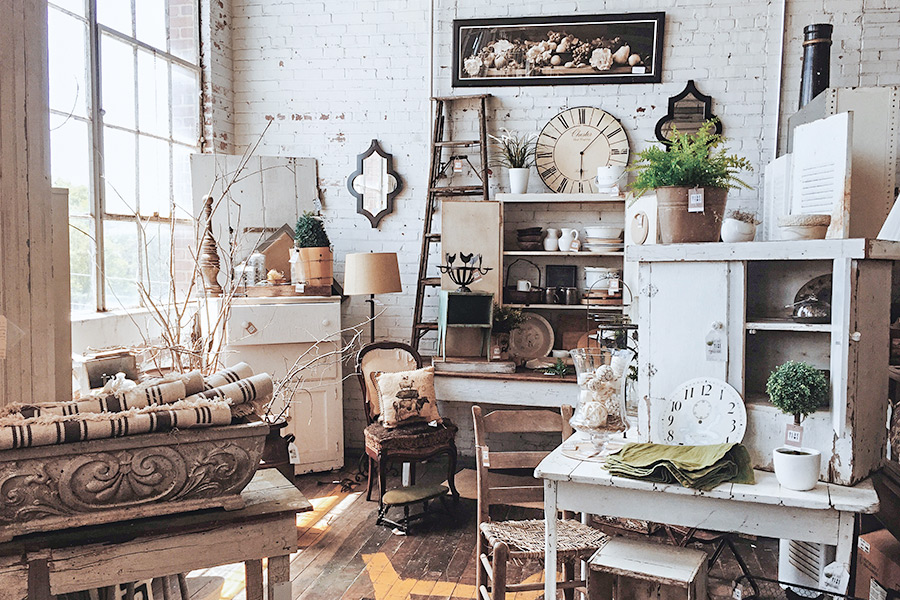
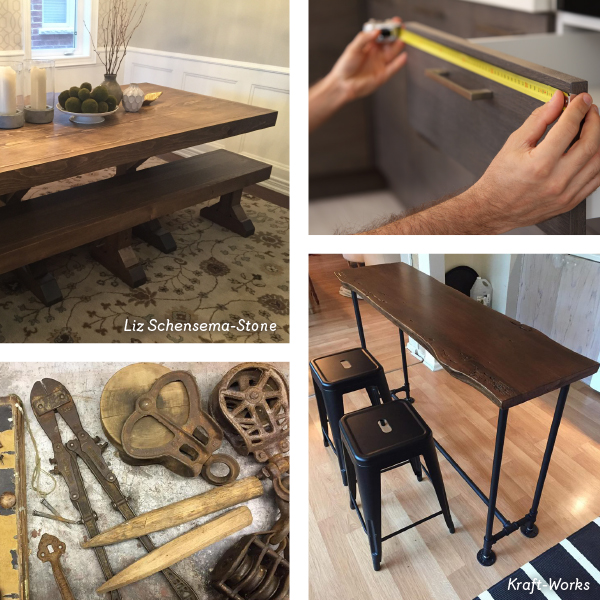
After spending many years working in book and magazine publishing, followed by a period when she stayed home with her two young children, Oakville-based designer Liz Schensema-Stone decided to finally pursue her love of creativity and building. “For many years now I have ‘worked’ for myself making furniture, adding built-ins to my home, and finishing our basement,” says Schensema-Stone. Last year she joined the Facebook group ‘Handmade in Halton – South (Oakville/Burlington)’ and decided to put out a post to see if she could generate interest. She received responses immediately, and got her first project order shortly after. 

She says her overall furniture style is farmhouse inspired, featuring rustic, distressed and “lived-in” pieces that clients are not afraid to use, as additional dents and scratches only add to the character. “I think the most surprising thing to me was that I never had to post again because the jobs came to me one after another,” she says, having completed seven projects this past fall. “I’ve always been a creative person, but really wanted to hone in on what my passion was. My objective is to only work with one client at a time truly giving them the custom treatment.”

Described as a “one-man show,” Devon Stange of Kraft-Works in Waterdown gave up his career as a firefighter and rescue tech in the oil and gas industry to embrace creating one-of-a-kind, custom order coffee tables, side tables, candle holders, consoles, desks, shelving and more for clients yearning for something different. Stange uses materials and hardware all locally sourced from small businesses and local farms. “I love to save and repurpose antiques and hardware, and all the wood is 100 per cent reclaimed,” he says. “I’ve always been handy in general, and I really love building and creating.”

Working from home with all locally sourced wood for a rustic modern look, Stange also uses other interesting accessories such as genuine antiques including old sewing machines, plus he makes his own finishes such as bees wax, for an added unique touch. “I do a lot of custom work, about 90 per cent,” he says, “and my favourite part is still my customers’ reactions.” 

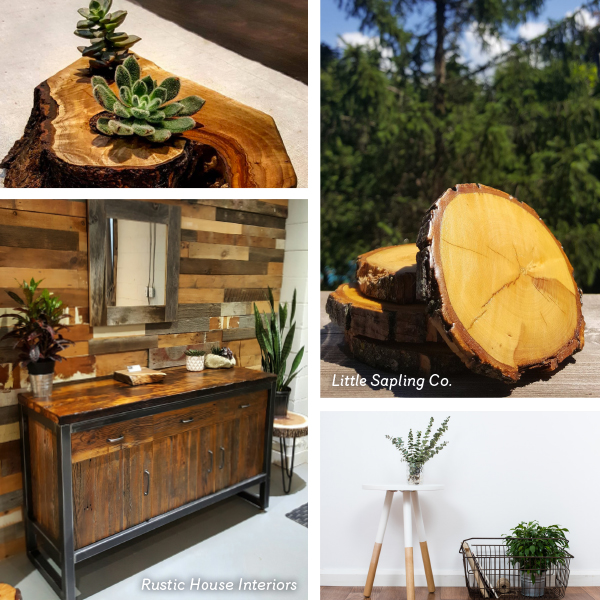
Craig Clements of Rustic House Interiors in Oakville, spent more than 20 years in the IT industry before moving to full-time furniture design and building less than three years ago, and he doesn’t regret it for a second. “I’ve always had an interest and a passion for woodworking, he says, “and I always did it on the side, self-taught. Over the years it just kind of snowballed into a full-time occupation.”

Aside from the creative aspect, Clements most enjoys working for himself while helping others bring their creative visions to life. Working primarily on dining room tables and consoles, he likes to push himself to embrace the larger pieces. “The bigger the better,” he says. “I am a perfectionist and love to pay attention to detail with the custom pieces. My work is sturdy and built to last.”   

He says his years in the service industry have paid off, as his work ethic dictates that he keep his clients happy, no matter what the project. “I’ve never had a table come back from an unsatisfied client,” he says. “Clients have a say in all the pieces I create for them.”

At Little Sapling Co., based in Burlington, Rachel Croll-Reid takes people’s furniture and décor dreams and turns them into a reality, with finishes designed to fit clients’ personal and unique visions and desires. “We have an appreciation for melding the high standards of furniture makers of the past with more modern design,” she says. “Because we design furniture to our customers’ needs and desires, we provide a high quality and unique product that’s literally created in house from start to finish.” The company also sources as many materials as possible from small businesses in Halton.

Little Sapling Co., strives to find ways to design and build pieces to “stand the test of time,” while fulfilling the wishes of clients. “We love to involve our clients,” says Croll-Reid, “from choosing and brainstorming, to material and finish choices.”

For those who have a creative vision but feel thwarted in their daily routines, find inspiration in these individuals who strive to embrace their creative vision and produce their very best work every day. As Croll-Reid says, all these artists strive to create pieces that “we’d be proud to have in our own home.”

by Allion Dempsey

Local Links

Liz Schensema-Stone, Oakville
lschensema@hotmail.com
289-208-4318

Kraft-Works, Waterdown
facebook.com/KraftWorksDesign

Rustic House Interiors, Oakville
(by appointment only)
rustichouseinteriors.com

Little Sapling Co., Burlington
facebook.com/littlesaplingco

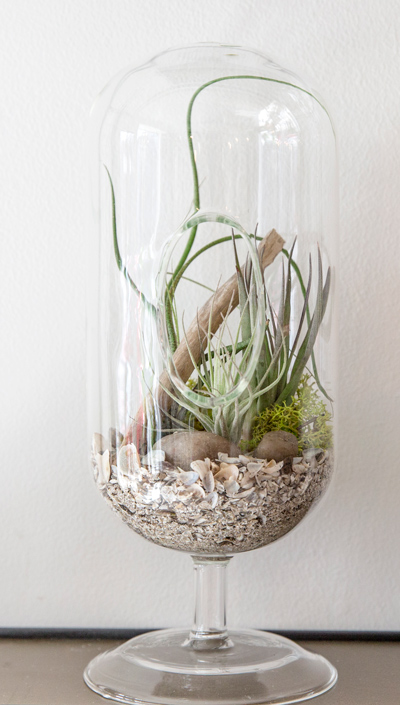
When it’s bleak or blanketed with snow outside, you can still keep your hopes alive for spring by having greenery indoors. Both air plants and terrariums offer a low maintenance way to cultivate your green thumb. Spiky, alien-like air plants can thrive anywhere, even on a fridge magnet, whereas terrariums are like small self-contained eco systems.

Centro_Airplants
Find this at Centro!

Plant Fancy
Air plants (Tillandsias) are part of the orchid family, and can live for up to eight years – no soil required. They’re found naturally in tropical regions, attaching themselves to bark and other natural surfaces. “I find that air plants are almost architectural,” says Jennifer Klassen, manager at Centro Garden in Burlington. “They have a form to them, so people use them as adécor piece. Some of the bigger ones, (called ‘zero graphica’), are made to sit on the table on their own.They’re quite large.” Smaller plants can be grouped in twos or threes and Klassen suggests grouping plants with different textures and varying leaf sizes with other items such as rocks or moss. They can be displayed practically wherever your crafty imagination takes you: on a tabletop or hanging in a glass globe, on a wall, on pieces of wood, as a fridge magnet or even set in seashells. Erica Lowartz-Cozzarin of Sheridan Nurseries also suggests they can be a beautiful alternative for the bride. “These (plants) have gained popularity as bouquets for weddings because they’re so adaptable,” she says.

Know Your Roots
Air plants don’t actually have root systems, but instead they tail_fullxfull.374120977_ez7uke in nutrients through their leaves. “You can water them by putting them in a bowl or dish with water and let it sit for about 15 minutes,” says Klassen. “It soaks up all the water through the leaves. Do that about once a week.” Succulents, which are often used in terrariums, have a thick leaf and need little watering. “They hold a lot of water and have a root system so you’d water them once every two weeks or once a month, depending on where they’re located in your home.

Terrarium Firma
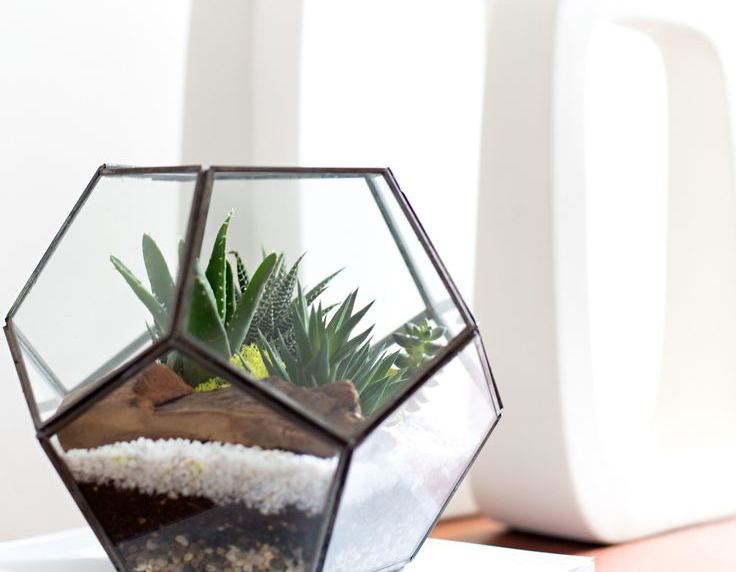
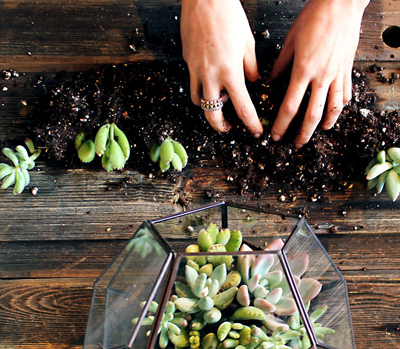
Another way to incorporate interest and live plants into your home is with a terrarium. Think of it as an aquarium, but for plants instead of fish (and with way less water). All you need is a glass container with a lid and you can create a miniature garden or forest. To create your own, start with a clear glass container with a lid (even a Mason jar), place a bit of charcoal at the bottom, and then add a bit of soil. “It doesn’t need much water at all,” explains Klassen. “If you find there’s condensation inside, take the lid off for a day to let some of that moisture out. They’re self-sufficient eco systems,” she says, and they do best in a brightly lit room. Along with terrarium_5succulents, Lowartz-Cozzarin suggests you put some cacti and fairy gardening plants into the arrangement. “You can even go with something exotic such as an orchid,” she says. “Mosses and spreading plants, such as babytears, act as carpets and they can work well also.” Practically anything can be added to a terrarium, provided it matches the scale. Try incorporating rocks, different coloured mosses, driftwood sticks or fungus from a tree. Lowartz-Cozzarin suggests any rocks or fairy gardening pieces would make great accessories. Before creating your terrarium or displaying your air plants, take the kids out for a nature walk and have them collect items along the way. If by chance they find a unique log, bring that home too and create your own unique piece.

Written by Becky Dumais

Local Links:
Centro Garden, Burlington
centrogarden.com

Terra Greenhouses – Burlington/Milton
terragreenhouses.com

Sheridan Nurseries – Oakville/Mississauga
sheridannurseries.com

 -By Becky Dumais