

Category

Home & Garden

Category

In the summertime, there is nothing more satisfying than savouring a fresh slice of a juicy, ripe red tomato or biting into a cool, crisp cucumber — and it’s even more delicious when that tender vegetable was grown in your very own vegetable garden!

The simple act of nurturing a young plant to fruition is not only good for the environment, but studies show that a connection to nature is a healthy outlet for anxiety, as well as a practical exercise in self-sufficiency.

This summer, whether you’re a novice gardener or a seasoned pro, why not hone your veggie-growing skills by growing your own?

MAKE YOUR BED

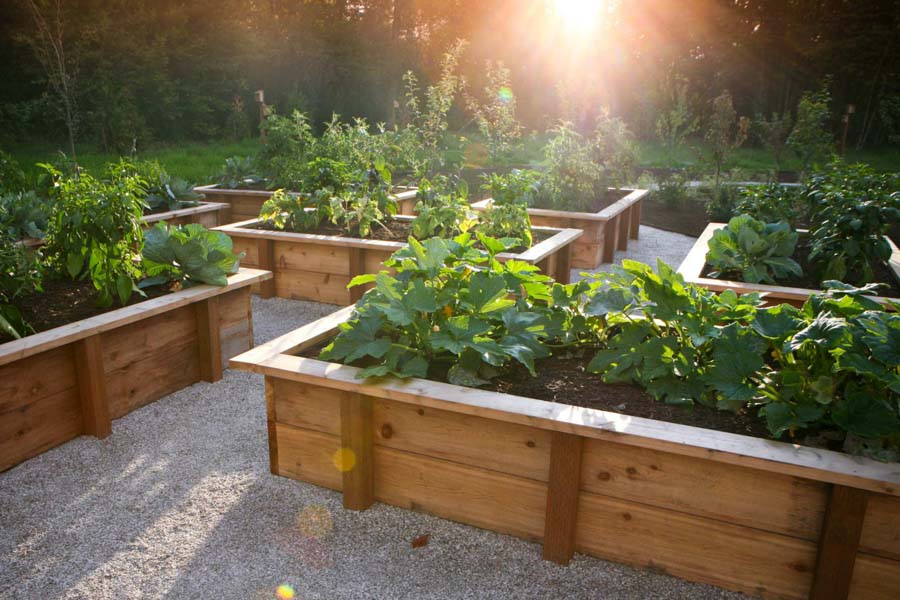
Even if you don’t have a lot of time for gardening, you can still have a productive vegetable garden, no matter the size, by starting with a raised bed. It’s a shortcut to a plentiful harvest, even in the first year. The benefits are many: 

  • Garden anywhere! Attractive cedar raised beds are an asset to your landscape. Create perimeter gardens, spice up your entryway, grow food in your front yard, or hide an eyesore.
  • You can harvest more food in less space. Set plants closer together so that every square inch is productive. Use small-space gardening techniques like succession planting and vertical supports to ensure you’re maximizing the space. 
  • You can plant earlier. Excess water drains better and the soil warms up faster in spring compared to in-ground beds. Specialized covers and garden fabric help you get started even earlier.
  • You can use better soil. A productive vegetable garden depends on good soil. With a raised bed, you start fresh with the ideal soil blend — even if the soil in your yard is poor.
  • You’ll see fewer weeds. Because raised beds are densely planted, weeds have little room to grow. And when they do find space, it’s easy to pull them from the loose, rich soil.
  • Easier pest control. It’s simpler to manage insects and exclude animal pests compared to long garden rows because you can easily cover beds with row fabrics or specialized covers.
  • Less bending to tend. Deep root raised beds are 15” high, so you bend less during planting, caring for, and harvesting plants.

“Always use untreated wood instead of chemically treated wood or wood ties as chemicals can leech into your vegetables,” Darla Malcolm-Hauraney, cofounder of The Garden Girls Garden Care, advises. “Cedar is the top choice for raised beds because this durable wood is naturally rot-resistant and can last 10 to 15 years. It is also insect-resistant because of oils in the wood.” 

“Also, fill the bed with great soil,” she continues. “The best soil suitable for vegetables includes 50% high-quality topsoil and 30% high-quality homemade or certified compost and 20% organic matter such as composted leaves, vermicompost (worm castings), mushroom compost, mineralized soil blend, ground bark, composted cow or poultry manure, and peat moss.” 


TRY SOMETHING NEW

Time to decide what to plant! Fill your garden with the types of vegetables you like to eat, keeping in mind it’s getting late in the season to plant fruiting vegetables like tomatoes. But if your family loves salad, plant head lettuce, a lettuce cutting mix, cucumbers, and carrots. If you love to cook, plant onions and peppers, leeks, potatoes, and herbs. Try to include at least one vegetable that’s new to you! See our handy list of Easy Top Ten Vegetables.

“After you’ve chosen which veggies you want to grow, research planting dates for your location, your site conditions, your soil conditions, spacing for the size planned, and fertilizer needs,” Darla suggests. “Try to select plants and varieties that are well adapted to environmental conditions in your area, as these are likely to be more vigorous and better able to withstand attack by pests.” 


Local Links

The Garden Girls, Mississauga || thegardengirls.ca

Van Beek’s Landscape Supply, Oakville / Mississauga || vanbeeks.com

Sheridan Nurseries, Mississauga || sheridannurseries.com

Bulow Garden & Landscaping, Oakville / Mississauga || Bulow-Gardens-Oakville

Terra Greenhouses, Burlington || terragreenhouses.com

Connon Nurseries, Waterdown || connon.ca

By Kristy Elik

It’s here! Spring, at long last! With longer days and shorter nights, that cozy spring sunshine beams sweeter than Easter chocolate and does wonders for the soul.

All around us, green spaces – forests, parks, and your own backyard – are all waking up. With each passing day, the sights and sounds of this new season are returning: a migration, both figuratively and literally.

Birds are the ambassadors of April, and Oakville and Burlington have a front-row seat to the show. This region is a primary “flyway” (think invisible highways in the sky) for feathered creatures passing through on their journey to return home. For some, the trip is completed here, while for others it is a mere pit stop for rest, food, and to wait out less-than-ideal weather before continuing north to nesting grounds in Canada’s boreal forest and the Arctic.

Leading the flock are waterfowl by the thousands, including ducks, geese, swans, and cranes. These are the largest migratory birds and their arrival signals the new season. For many “birders” however, the true harbinger of springtime is the arrival of the Red-Winged Blackbird. The males are out the gate and arrive early, so they can scout and claim a prime spot for a nest, while also doing everything they can to get noticed. These very vocal birds will sit high on a perch and belt out their signature “conk-la-ree” call.

Joining them are the American Robins, Killdeer, Common Grackles, and, later this month, the Warblers. Warblers are amazing, colourful little songbirds that fly thousands of kilometres to feast on Ontario mosquitoes, all while weighing no more than a quarter!

There are over 350 species of birds that call Ontario home. For those that are returning, they arrive exhausted and hungry. Imagine if you took flight and flapped your wings from a warm tropical retreat as far away as the southern tip of South America! A notable presence: over 50 million birds that return home during their annual spring migration!

Here are a few ways that you and your family can help welcome April’s ambassadors:

  • Keep a clean birdbath. Birds will love it for the dual purpose of drinking as well as yes, bathing!
  • Consider marking large windows with decals or sun catchers to prevent bird strikes.
  • Plant small native trees and shrubs, especially fruit-bearing species, like dogwood, serviceberry, and sumac. This provides berries and encourages native insects to flourish, offering a further source of food for birds.

Feathered-Friend Family Fun: Play Bird Detective

Spring is a great time to engage kids to discover nature by becoming a bird detective. Screen time gives lots of stimulation, but it’s mostly visual. Explore a green space as a family and encourage kids to close their eyes and focus on what they can hear first. From there, the bird detectives can start searching for and recording various other clues like size, colour, and eventually, the type of birds that they hear.  

Royal Botanical Gardens

680 Plains Road West, Burlington   |  

Rbg.ca

Try visiting the garden areas during spring bloom festivals. Common species include Broadwing Hawks visiting the Rock Garden spring ephemerals, Rose-Breasted Grosbeaks frequenting the Arboretum lilacs, Baltimore Orioles enjoying the Laking Garden irises, and Chimney Swifts speeding through the Hendrie Park roses.

LaSalle Park and Marina

831 LaSalle Park Road,
Burlington

A photographer’s dream, LaSalle Park is the birthplace of a Trumpeter Swan reproduction program. There are great opportunities to catch sight of these beautiful birds both in and out of the water.

Bronte Provincial Park

1219 Burloak Drive, Oakville  

Ontarioparks.com/brontecreek

The trail along the top of the east bank of Bronte Creek has been excellent for spring migrants. A good selection of grassland species usually nest in the general area of the new campground.

Anwar Knight is an award-winning broadcaster, whose genuine and warm engaging personality has made him a favourite with audiences nationwide. He is a passionate steward of nature and is working to propel efforts to preserve our earth. Join Anwar on his podcast  www.BigBlueMarble.earth and his recently launched FBLive show “Here n’ There” every Friday at Noon www.facebook.com/AnwarKnightTV.

By: Kristen Sanchioni

It’s likely that you have a piece or two of sentimental furniture in your home – maybe it was passed down from family, maybe you picked it up at a flea market. Maybe it’s from your old dorm room and you just can’t let it go. Whatever the case, your vintage couch or armchair has probably seen its day – frayed edges, thin fabric, and even out of style. However, if you have a well-built item or one with special sentimental value, re-upholstering is a worthwhile investment. 

Upholstering furniture is a job that requires skill and patience. Knowing when to tackle the project on your own and when to hire a professional is crucial to ensure you love your finished product. 


Try Your Hand


Maybe you’ve found a lovely piece at a thrift store or perhaps you have an old hand-me-down that needs an upgrade. Refurbishing furniture is a wonderful, environmentally-friendly way to bring new life into worn, faded items, especially when those pieces have quality materials and craftsmanship. Bear in mind that do-it-yourself upholstering requires time, effort, and basic sewing skills. If you want to tackle the project on your own, assess your budget and skill level. 

Some furniture is easier to reupholster than others. If you’re a newbie to the world of upholstery, choose your project carefully! One rule of thumb for beginners is to focus on pieces with straight lines. A simple, hardbacked chair with a removable fabric seat is a good place to start. Similarly, a fabric ottoman, bench, or footstool can be completely transformed in an afternoon without much more than fabric, a screwdriver, and a staple gun. 

With some basic sewing skills, recovering a worn fabric headboard or making a slipcover for a chair can be a weekend project. Avoid thick fabric which can be difficult to fold, sew, and lay flat. Pieces with foam and padding can often disintegrate, breed mold, and lose their shape. It’s worth replacing for comfort and longevity. 

If reupholstering furniture is something you enjoy and want to do more of, consider enrolling in a local upholstery class to expand your skillset.


The Finishing Touch


When is it time to call the professionals? If you’ve inherited a beautiful chair from a family member but the cushions are worn and the fabric is ripped, is it worth reupholstering rather than just buying a new item? It really comes down to quality and memorability. 

Custom reupholstering is a labour-intensive art form that takes years of training and practice. Investing in a professional service to reupholster your furniture is worthwhile if the piece has sentimental value and good bones. A new piece might cost less, but the quality won’t be comparable. 

“The benefit of a professional is, of course, the fact that your finished project looks beautifully and skillfully done,” says Tori Brock from Fairhome Interiors in Burlington. From choosing the types of fabric that will work best with your piece to envisioning the finished product, their team walks clients through the process. “We gently guide you with help choosing a fabric that is appropriate for the piece’s purpose and your lifestyle,” she notes. “We then take your furniture and our upholsterer masterfully and magically transforms your piece to look like new!”

Still think you can tackle Grandpa’s special chair? “A botched DIY project is often how we get new clients!” laughs Tori. “It isn’t as easy as Pinterest makes it look.” She explains that fully reupholstering requires removing old fabric and cushioning if necessary, fixing any flaws, possibly changing the style, restuffing, and applying new textile and decorative features. Professionals have the tools and skills necessary to do this without damaging the piece. Furniture, especially vintage, left in untrained hands can be permanently ruined.

Choosing to DIY on a memorable piece will likely leave you feeling as though you’ve overextended yourself and risks the finished product looking sloppy. Opting to work with a professional will result in a stunning piece, that upholds the quality of the item for years to come.

Local Links

Fairhome Interiors, Burlington

fairhome.ca

Andersons Interiors, Burlington

andersonsinteriors.ca

Is there anything more cheerful than holiday décor? Whether your style is minimalist chic, or you prefer to fully deck the halls, we invite you to transform your home and embrace the spirit of the season with our holiday decorating tips.

Merry & Bright

Festive décor always fills the house with extra merriment, but we want our homes to feel cozy the entire winter season. Thankfully, Christmas décor can easily carry through the season. Adding texture is a simple way to do that. Change out your lightweight summer throws for chunky, cozy knit blankets draped on the sofa to add warmth. Embrace flannel and knit accent pillows in plaids, rich reds, greens, and golds to bring subtle pops of colour into a room.

One of the most impactful ways to make your home welcoming and warm all season long is with lighting. “Everybody loves lights!” laughs Rose Luxton of Lakeside Livin’ in Bronte. “I generally love to decorate where we spend the most time.” She notes that the fireplace is a natural gathering place for family and friends, and swathing the mantle with LED or twinkle lights will draw people in. Since not everyone has a fireplace, she suggests using candles to make the home smell wonderful and also give soft light on those dark, chilly days. “I burn crackling wood wick candles during the cold winter months. Scents like Frasier Fir help me get into the holiday spirit!”

The Holly & The Ivy

Adorning your home with greenery adds an organic element to yuletide design. With temperatures dropping, we are less keen to venture outdoors, so consider bringing some greenery indoors or using faux foliage to create a holiday feel. Whether you prefer bright or simple rustic decoration, nothing feels quite as festive as the sight and woodsy smell of natural greenery in your home. Bouquets of twiggy branches, pine boughs, holly, and sprigs of mistletoe add to any vignette and are easily incorporated into your personal interior design. Faux greenery arrangements can give much the same effect and there are many realistic options available.

Najia Shaikh, from The Artisanville in Burlington, advises adding greenery as soon as you enter the house. A seasonal wreath to your front door, a garland on the stair railing, or a small Christmas tree in the entryway is inviting and helps to bring the outdoors, indoors. “These tiny additions are not expensive or permanent but can add so much to your Christmas décor,” she notes.

For Auld Lang Syne

Family traditions are important, especially during the holidays. There is something about honoring those memories that gives Christmas the perfect sentimental touch. “Adding vintage pieces to your décor can give your home a balance of old and new all year round,” says Lorna Parcher, owner of Graham & Brooks in Dundas. “Digging into the box for that tree topper, vintage tree skirt, or Christmas stocking just seems right year after year.” If you don’t have a collection to draw from, she suggests picking up vintage pieces that remind you of Christmases past, or with the intention of starting a new tradition.

Switching up your wall art is an almost effortless way to blend fresh with nostalgic. Najia notes that simple winter prints, old family photos, or framed Christmas carols are neutral enough to incorporate into any design style. If you’d like to display kids’ artwork or special family recipe cards, consider upgrading them with a modern frame.

Setting the table is another area for an elegant personal touch. Grandma’s wedding china may not suit your current taste but using her serving plates or creating a hot chocolate station with her tea service are an elegant nod to Christmases past. Similarly, displaying vintage brass candlesticks on the table add height and warmth while embracing traditional roots and memories.

LOCAL LINKS

The Artisanville, Burlington

Lakeside Livin’ Home Décor, Bronte

Graham & Brooks, Dundas

Nicetys, Oakville

Pure Boutique, Burlington

Rustic Daisy’s, Waterdown

Centro Garden, Burlington

Fairhome, Burlington

Swiss Interiors, Oakville

Bogart Home, Oakville

After hanging out at home over the last few months, you may be thinking it is time to make some changes. Are your wall colours too bland? Do you dream of taking down a wall to open up a space? Many of us will seek outside help when it comes to making these decisions, but the jargon surrounding home improvement can be confusing — does your project need an interior designer or an interior decorator? The two professions certainly have similarities, but both offer different skills that will benefit your finished project.

What’s the difference?

Surely with a name so similar, they must be interchangeable, right?

The answer is ‘no’.

An interior decorator focuses mainly on the aesthetics of a space — a personal stylist for your home! Interior decorators have an abundance of creative vision and artistic taste, and while no formal schooling is required, many do have extra training. They concentrate on colour palettes, furnishings, and create beautiful livability using the space you already have. “Interior decorators look after everything from the drywall out!” say Anita Puls and Kim Giancaterino from Burlington Design Studio.

An interior designer, on the other hand, is someone licensed with accredited post-secondary training in all aspects of home remodeling, and this usually includes an apprenticeship with a designer. Much of their education is spent on drawing, space planning, design, building code, and architecture. An interior designer is proficient at drawing up floor plans and they will work hand-in-hand with your contractor or architect to ensure they can achieve your dream — even if it means reworking the walls and layout of your home.

Who should you hire for the job?

Before you decide which person is right for the job, you need to evaluate the scope of your project. Are you planning to add or remove walls and windows or are you mainly focused on reworking the esthetics of your space?

Tamara Grant, a local interior decorator and stager, feels it is essential to know the needs of the client beforehand. “It’s important to know your style and preferences since it is being decorated for you to stay and enjoy,” she says. “I like to start by coming up with a colour palette or theme to draw from.” While many clients may feel overwhelmed with the endless choices, Tamara knows that it’s important to take your time. “Do it in layers, start with furniture, add curtains, then pop in the colour with art and pillows, and finish off with tabletop décor.” Another added bonus to hiring a professional decorator is the shopping advantage. Tamara notes, “It helps to have somebody with a keen eye for design and who also knows the best places to shop for furniture and accessories,” she says. Definitely a bonus!

If your renovation involves structural work, you should enlist the help of an interior designer. They aim to improve the functionality of your space, not just the décor and feel of the room. Their expertise in drawing up floor plans, troubleshooting structural issues, and acquiring building permits is a necessity for large projects. A designer offers a trained eye that can really impact the plans of your changing space.

Whichever you choose, make sure their vision is aligned with yours. “Designing and decorating a home requires many considerations like style, functionality, architectural details, and space planning,” Anita and Kim advise, “A professionally trained eye can pull all these elements together to create a cohesive space with a timeless design that will last for many years to come.”

Tips from the professionals

Make your space liveable by keeping it bright and refreshed. Tamara Grant knows lighting is key, “Light is major! Whether it’s natural sunlight, overhead lighting, or task lighting — big and bright is the goal.”

Include natural elements in a space to create a warm and inviting home during the fall and winter months. “Using live plants and fresh greenery, and also including textured fabrics such as velvets, mohair, and wools on accent pillows and throw blankets, really help to cozy up a space during the cold months,” suggests Anita Puls. Warm colour hues such as cinnamon, caramel, cognac, and deep earthy greens immediately add a warm, intimate vibe.

Written By: Kristen Sanchioni

LOCAL LINKS

Canadian winters. They can be harsh, they can be cold, and they can be down-right unfriendly to our hair and our skin. While it’s impossible to avoid sleet and snow, there are a variety of things we can do to keep our hair and skin healthy all winter long. Say goodbye to dryness, breakage, and flaking with winter tips from our local experts. 

The simplest way to take care of both our skin and our hair is to make sure we stay hydrated. Adding extra hydration is as simple as drinking more water, but Elena Dyagileva, the owner of Bodega Wellness in Burlington, adds, “Another way to prevent dry skin during the winter months is to find a moisturizer you can use every day.” 

At Bodega Wellness, Dyagileva offers CBD products that are full of ingredients the skin loves. “CBD is proven to carry high anti-inflammatory properties while also being a natural antioxidant, signifying that it can help lessen the visible signs of aging skin,” she says. “By counteracting free-radical damage, CBD oils and creams may help diminish issues such as wrinkles, skin dullness, firmness, and reddish skin tones.”

The same can be said for hair care. Liana Cortina at Salon 360 in Aldershot says hydrate, hydrate, hydrate, “The winter takes the moisture right out of our hair. I always recommend a weekly deep conditioning mask for my clients. Let it sit on the hair for 20 minutes. You can also hydrate your hair over night with an oil. It’s important to put the moisture we lose back into the hair.”

Both Teo Manning, owner of Gyökér Hair in Oakville, and Laura Bradburn, owner of Styled Lounge in Burlington say extra hydration is a must. “In the winter, the efforts of moisturizing our hair should not necessarily be increased, but consistent. Winter can be very harsh, so, if you skip opportunities to moisturize your hair, it can quickly lead to breakage,” says Manning.

A common mistake is over-washing and over-styling our hair. By washing our hair every day and using products like hairspray and mousse, our hair is stripped of natural oils that the scalp needs.

“We often make the mistake of washing our hair too often,” Bradburn says. “Even with the right products, it can strip the good, natural stuff from your hair. Focus on training your hair to be washed less often by using dry shampoo instead of washing every day.” Liana adds, hot showers can dry our scalp and hair, so it’s best to rinse with lukewarm water. 

Before the cold sets in, Bradburn recommends getting a head-start on beating the dryness by using a multi-benefit product, such as a hair mask. Manning also suggests sleeping with a silk pillowcase or using a humidifier in your home to contribute to healthy hair.

The general consensus from all of our experts: moisture is key. The elements can be harsh and make our hair and skin more prone to damage – sun included. Invest in a good moisturizer, a great conditioner, and wear a hat (damp hair makes colour fade faster). With these tips, you’ll come out of the winter months glowing – even if you can’t take the much-needed vacation down south.

Written By: Allie Murray

LOCAL LINKS

  1. Bodega Wellness, Burlington – bodegawellness.com
  2. Gyoker Hair, Oakville – gyokerhair.com
  3. Styled Lounge, Burlington – styledlounge.ca
  4. Salon 360, Burlington – salon360.ca
  5. Anise Modern Apothecary, Burlington – aniseapothecary.com

Victoria Garofalo had been working as a biologist for almost ten years but felt like something was missing in her life. What she wanted was a job where she could help create a healthier world. Victoria has two young children and was worried about their futures. The problem was how to accomplish that. “I wanted to do more to not only reduce our family’s waste footprint but help others in our community do the same,” said Garofalo.

After months of research, Garofalo set up a business that sells eco-friendly products that reduce waste by reducing consumption and packaging. Welcome to A Greener Place in Waterdown, where all products are made of organic and vegan formulations and are respectful to the environment in that they don’t include carcinogens, parabens, phosphates, or sulfates. “The products we carry are meant to last, but they also carry a responsible footprint when they reach the end of their lifespan,” said Garofalo.

Cleaning products for the home include a toilet bowl cleaner that’s made from baking soda, citric acid, and peppermint essential oil. Her products for the body include a brown sugar body scrub and clay deodorant made of coconut oil. All packaging is reusable, refillable, or locally handmade.

For those getting into zero waste, Garofalo said the concept can be a little daunting which is why she suggests people start by simply replacing a single-use product with a reusable or plastic-free option. “Thoughtful and reduced consumption is a more realistic approach to reducing your everyday waste,” advises Garofalo.

When the pandemic hit, Garofalo introduced a mason jar deposit/refund program where customers pre-fill clean mason jars with refill products and people return the empty jars which are sanitized and reused.

A Greener Space is one of a handful of zero-waste stores that have popped up recently in response to the public’s growing desire to preserve and respect the environment.

At EcoFillosophy in Bronte, the goal of co-founders, Thanh To and Renata Darling, is to encourage people to live more sustainably. They sell all-natural home and personal care products that come in packaging that can be reused, refilled, or recycled. “We aim to keep our footprint small by targeting small-batch makers from across Canada,” said To, who launched the full-service refillery shop in July.

Their products include laundry detergent, dish and hand soaps, shampoos, lotions, deodorants, toothpaste, and floss. They offer glass and aluminum jars and tins, as well as pumps and sprayers that customers can purchase or borrow. Customers can also bring their own empty, clean, and dry containers. 

Since COVID-19 hit, they’ve been disinfecting all containers brought to the shop before and after filling.

While their customers range in age and backgrounds, To said their similarity is that “they are all trying to do the best for their families and the world around us.” “Some have been refilling for years and come with well-loved containers to cart their goods home,” said To.

Koby Hicks’s inspiration to open the Refillery Market came to her while she was throwing out an empty laundry detergent dispenser.  “I stopped in my tracks thinking, Why can’t I simply refill this bottle and continue to use it?”

As owner/operator, Hicks said Refillery Market offers Canadian-made products that are free from harmful chemicals to protect people and the environment.  They offer home essentials in bulk along with zero-waste goods like shampoo, conditioner, toothpaste, mouthwash and lotion, detergents, cleaning vinegar, and dryer balls. Eliminating plastic waste is their end goal so they buy in bulk. Once the product has been used, they take the packaging back to sanitize and reuse.

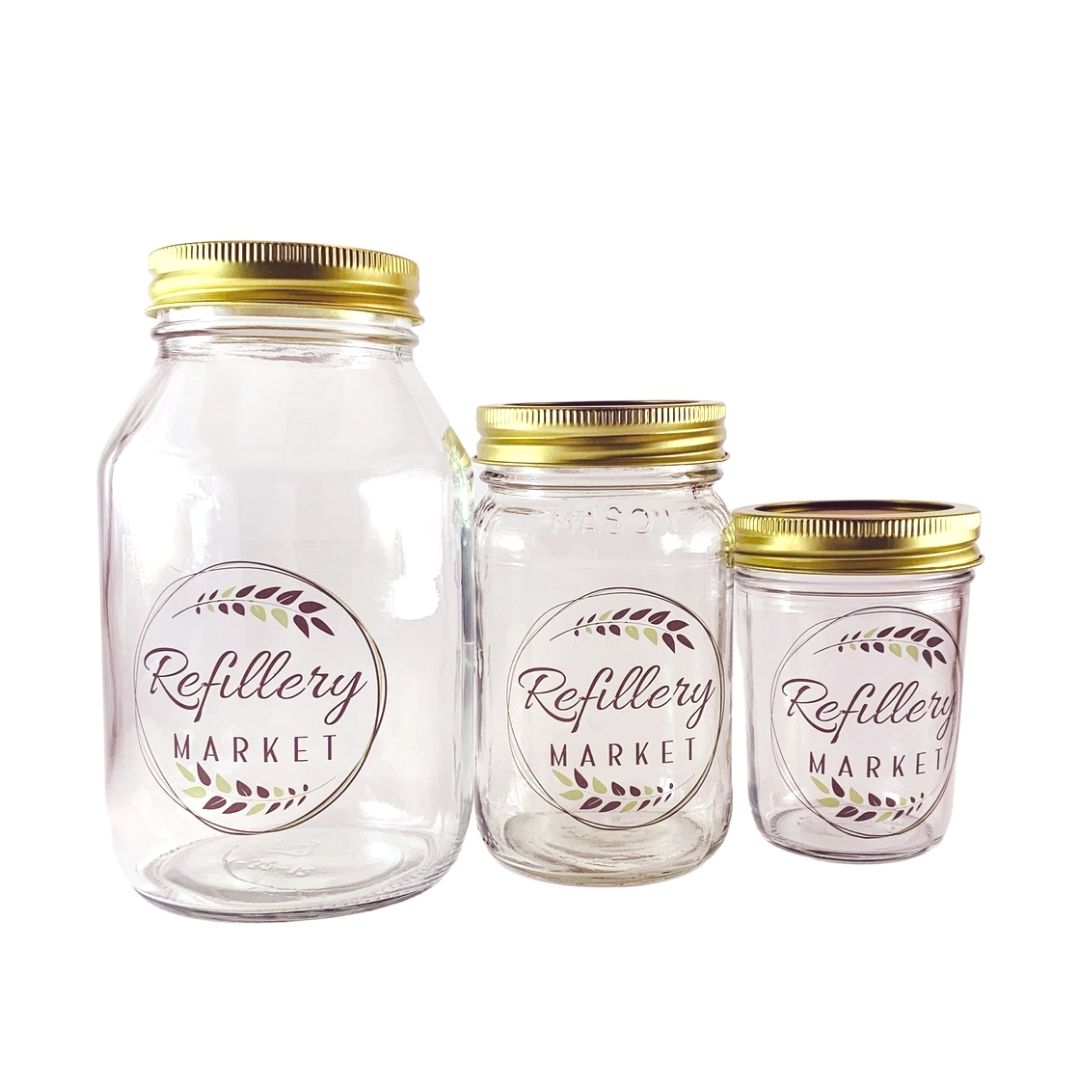
Hicks normally sells their products at the Burlington Farmers’ Market and The Civitan Farmers Market in Oakville, but has switched since the pandemic to focus more on home delivery within the local area.  Orders are now delivered in 3 sizes of mason jars, with a $2 deposit fee.  Once customers are ready to refill their jars, they leave the empty ones on the doorstep on the delivery day, and they are swapped with the full ones!

Besides their love of the environment and clean-products, each of these forward-thinking establishments has another thing in common, “We’re bringing back the milkman method,” said Hicks.

Written By: Denise Davy

Local Links

Many of us have heard the same health recommendation for the past few months — as much as possible, stay home. As summer draws to a close and entertainment ideas wane, why not create a defined space to meet your family’s needs? A designated games room or entertainment area provides convenience and recreation in the comfort of your own home. From family games to home theatre and sound systems, choices and customizations are endless.

You may never want to leave the house again!

The best kind of entertainment is something that can be shared with the whole family. Games like foosball, billiards, air hockey, and darts are always a good investment, but the choice is dependent on the size of the space you have available.

Foosball is fast-paced and fun, great for adults and kids of all ages. The table also takes up far less space than a pool table or shuffleboard, and there are even smaller tabletop options that can be stored away when not in use. Air hockey tables come in a variety of sizes and are another alternative if space is limited. Darts — that popular pub classic — brings out a friendly competitive spirit and come in boards or cabinets, if you prefer the added benefit of storage.

Billiards, shuffleboard, and ping pong tables are solid and large, so the size of your games room is an important factor in whether or not one can be part of your vision. “For those with a lot of room, billiards and ping pong tables have been tremendous sellers for us,” says Jeremy Kalapacz from Oakville Home Leisure. “Billiards, ping pong, foosball, and darts, are all games your family can enjoy for many years; it really just comes down to space constrictions”.

Feel like recapturing some childhood memories? Video arcade machines bring a retro touch to any gaming area. Many of the ones built for at-home use are multi-gamed with all of your classic favourites.

Sights & Sounds

The idea of creating a cinematic experience the whole family can enjoy is appealing. “We have definitely seen an increased interest in home theatres and whole-home audio. Families still want to be able to have a night at the movies and they want it without the worry and concern of having to leave their homes,” says Sarah Love from PM WYRE in Burlington. “We also have frequent requests to improve the WIFI and internet infrastructure of family homes to support the increased demand for streaming movies, gaming, and online learning.”

While it can seem pricey upfront, upgrading movie night means more date nights in and fewer trips to an overpriced snack bar.

As the demand for home theatre and sound systems grows, take the time to do your due diligence and research which system is optimal for your home. You may want the largest TV on the market but consider the size in relation to the seating the space offers. If putting together your dream theatre and sound system seems overwhelming, speak with professionals who can gauge your needs and budget, and come up with a customized plan for your family.

Another popular option is expanding your entertainment space into the backyard. People are beginning to transform their outdoor space into a recreational option to adhere to social distancing requirements. “We have promised our clients for years the opportunity to come home, press one button, and use technology to help create a unique experience, which extends to all of the home,” remarks Robert May from Sounds Good in Oakville, “What about a summer drive-in movie experience in the backyard with your new outdoor TV?”

A designated at-home entertainment area isn’t just for the kids. It brings the family together across all generations for some healthy competition and enjoyment.

Written By: Kristen Sanchioni

Local Links

Oakville Home Leisure

https://www.oakvillehomeleisure.ca
 

Oakville Sight and Sound

https://www.oakvillesightandsound.ca


Sounds Good Inc.

https://www.soundsgoodinc.ca


PM Wyre

https://pmwyre.com

Preserving food is making a comeback. Perhaps it is the nostalgia of watching a parent or grandparent begin the cathartic process in the fall.  Or the benefits of being able to eat local produce year-round and the cost savings. Not to mention, in these crazy times, limiting visits to the grocery store.

In ancient times, when humans had to hunt and gather food, there was no way of storing or preserving it to prevent it from going bad, so methods were designed to harness nature.

Food preservation has permeated every culture at nearly every moment in time, from freezing meat on the ice in cold climates to drying food in the sun in warmer ones, enabling humans to stay in one place for a longer time and form a community. With these tactics, immediate food consumption was no longer necessary as food could be preserved and stored for later use – preserving the local food sources using the same basic methods which are still in use today.

DRYING

Drying is the oldest and simplest way to preserve food, dating as far back as 12,000 BC.

This method, which is particularly good for meats, fish, fruits, and vegetables, was achieved in ancient times by simply leaving food out in the sun to dry. Dried fruit is a popular and healthy modern-day snack, another example being beef jerky.  Florence Meats in Oakville specializes in a South African style of dried meat called Biltong, which is covered in spices and coriander seeds and eaten as a snack.

FREEZING

Freezing was an obvious preservation method in the correct climates. Even less-than-freezing temperatures could be used to prolong storage times, often by using cellars and caves to maintain a low temperature.

Some homes had icehouses built to store ice and food on ice. Soon the ‘icehouse’ became an ‘icebox’. In the 1740s, William Cullen, a Scottish scientist, invented the first form of artificial refrigeration.

Kerr Street Cafe in Oakville has gourmet frozen meals that can be whipped out to impress in no time.  Familia Fine Foods in Burlington and Monastery Bakery in Oakville also have good offerings, or try That Pie Place in Burlington.

SMOKING

Smoking food is another preservation technique and was probably discovered by early cavemen burning fires in their caves without chimneys, causing the cave to fill with smoke and thus exposing food to smoke and unknowingly preserving it. Over time, pretreating the food with salt before smoking made smoking even more effective. Today, smoking is mainly used to flavour food rather than merely preserve it.

FERMENTATION

Fermentation, discovered by accident, was a valuable preservation method dating back to 10,000 BC. It not only preserved foods but increased nutritional properties and was used to create more palatable foods from less than desirable ingredients.
Micro-organisms responsible for fermentation can produce vitamins as they ferment, producing a more nutritious result from the ingredients. Sauerkraut and Kimchi are popular for their gut health benefits.  Cheese is another example, where milk is fermented to enhance its storage capabilities.

A wide array of interesting cheese is available at Farmhouse Artisan Cheese on Kerr Street in Oakville.

CANNING

Canning is the process by which foods are placed in jars or cans and heated to a temperature that destroys microorganisms. The heating and cooling of the cans form a vacuum seal.

Canning is the newest of the food preservation methods and was pioneered in the 1790s when a French confectioner, Nicolas Appert, discovered that the application of heat to food in sealed glass bottles preserved the food from deterioration. Nowadays, many people do their own canning at home. Fresh peaches and apricots; tomatoes and marinara sauce; there is no limit to what can be preserved, and there are so many websites that offer recipes for beginners!

PICKLING

Pickling may have originated when food was placed in wine or beer to preserve it since both have a low pH. Perhaps the wine or beer went sour and the taste of the food in it was appealing. Spices were added to these pickling sauces to make interesting recipes.

Chutneys, relishes, piccalillis, mustards, and ketchup soon became common accompaniments. Worcester sauce was an accident from a forgotten barrel of special relish. It aged for many years in the basement of the Lea and Perrins Chemist shop and was first sold in 1837.

JARRING

Jams, jellies, and preserves use honey or sugar to preserve fruits. In ancient Greece, quince was mixed with honey, dried, and packed tightly into jars. Springridge Farm, near Milton, has been turning their harvest into preserves for over 35 years.  Their recipes are steeped in tradition being passed down from Grandma Hughes.  Their signature items are strawberry jam, chili sauce, and red pepper jelly. They also do specialty limited edition products like the Royal Wedding Jam in 2011 and the Canada 150 Jam in 2017.  Their seasonal Christmas Marmalade is also very popular.

TK Preserves (@tkpreserves) make a special preserve of wildflower honey and spiced nuts that is the perfect accompaniment to cheese or try their Niagara peach ginger preserve on a slice of buttered toast.

Cranberry sauce or jelly is a popular preserved item as we approach Thanksgiving. Traditional cranberry sauce – stewing cranberries in water and sugar – dates back to the 1630s.

In the 1800s cranberries were farmed and were dry harvested or picked by hand. It was time-consuming and hard work but this process is still used to pick the fresh cranberries you see in stores.

In the early 1900s, farmers realized that flooding the bogs where cranberries grew loosens the berries from the vines until they fall off and float to the surface. Known as wet harvesting, this is far quicker and easier – these cranberries are used in juices and preserves.

With summer drawing to an end it is time stock up your pantry this fall with your favourite goodies.

The fruits of your labour will also make great gifts, sure to impress your friends and family!

Written By: Jenny Ratcliffe-Wright

LOCAL LINKS

Florence Meats, Oakville
Florencemeats.com

Springridge Farm, Milton
Springridgefarm.com

Farmhouse Artisan Cheese, Oakville
Farmhouseartisancheese.com

TK Preserves
@TKpreserves

Kerr Street Café, Oakville
Kerrstreetcafe.com

Familia Fine Foods, Burlington
Familiafinefoods.com

Monastery Bakery, Oakville
Monasterybakery.com

That Pie Place, Burlington
Thatpieplace.com

Written By: Kristen Psihogios

Silvia Plath had it right: “There must be quite a few things a long hot bath won’t cure, but I don’t know many of them.” From ancient bathhouses to modern-day tubs, a warm bath has always been the ultimate way to relax after a long day.  

If you’re looking to update your bathroom, the right bathtub could be a showstopper in your renovation. Bathrooms are quickly becoming an in-home design statement, no longer designed solely on function. By selecting the perfect tub, you can transform your bathroom into a meditative, spa-like retreat – the perfect escape from day-to-day stress.

Types of Tubs

Determining which bathtub to use depends largely on your space. Finding a style that suits your needs and works with the footprint of your bathroom can be difficult.

An acrylic alcove tub and shower combination (with three sides enclosed by a wall) is the most common type of bathtub — primarily because it makes use of compact bathroom space. They’re also a great choice for people that need assistance getting in and out of a tub (since it offers the option of a safety handrail). Typically, in the past, this type of tub was shorter and shallower. Thankfully, if you still want a luxurious bath experience but need to work within tight quarters, many bath producers are beginning to make deeper, longer soaker tubs in an alcove style.

Drop-in tubs are usually acrylic baths that are literally “dropped in” a framework and hidden by a built-in surround (which is then covered in tile or cabinetry). This surround is usually custom-made, so bear that in mind when factoring in cost. Drop-ins offer the luxury of a freestanding bathtub but are more space-efficient and easier to clean. An under-mount is also a drop-in style tub but is usually placed at floor level. These often have many luxurious features such as built-in therapeutic lighting or jets, which truly add to that spa-like atmosphere. 

Freestanding tubs, while less practical, are extremely popular, especially in master bedrooms. They are the epitome of extravagance in a bathroom since they take up so much space. Their elegant shape allows them to be placed anywhere in the room without being an eyesore, and their modern sleek lines look good with all finishes. Freestanding clawfoot tubs add an air of tradition and a bit of vintage romanticism. Like all freestanding baths, they can be positioned beneath a window for a soak with a view. Another bonus of freestanding tubs: you can place the faucet in the middle of the tub if you intend on sharing the space. One word of caution, however: clawfoot tubs are often made of cast iron and are extremely heavy. Also, they can lose heat more quickly than an acrylic tub. Consult an engineer before tub selection and installation.

Fixtures

While the bathtub is the main event, fixtures and hardware can amplify your design. Whether you save or splurge, it’s always a good idea to visit a showroom to explore your options and speak with a professional. 

 “There is a definite interest in gold and brass materials, as well as matte black hardware,” says Gene Duterte from Muti Kitchen and Bath in Oakville. “Minimal design is one trend we are seeing in the modern bathroom aesthetic, and a lot of the hardware — no matter the material — reflects that with their clean shapes.” While there is a resurgence toward the gold and brass of the ‘90s, Duterte insists that chrome and brushed nickel will always be on-trend since their finishes are so versatile and timeless. 

In an alcove bathtub, using exposed hardware to accentuate the bathtub and shower tiles gives it a bold elegance. With freestanding bathtubs, you can choose between wall-mounted or freestanding fixtures. Choose a style of faucet that mirrors the tub style, for instance, a clawfoot tub would look beautiful with a vintage style faucet and shower spray handle. 

With so much variety in all budgets, fixtures can be the finishing touch on your bathtub design.

Local Links: