

Category

Home & Garden

Category

On a clear, star-filled summer’s evening, there’s nothing quite as cozy and satisfying as enjoying an outdoor blaze in your backyard’s woodburning or gas fire pit, or perhaps a chiminea. Watching the flames grow into a warm, crackling fire is a rite of passage during this, our most fleeting of seasons.

Beware, however. There are rules and restrictions for Burlington and Oakville homeowners who want to use a fire feature. But if you’re careful and responsible, it’s easy and affordable to add this stunning natural light show to your yard.

There are many types of fire pits available, from functional to purely decorative, so you’ll need to discern what you’re using the pit for. Are you making pizzas and spider dogs? Or is your fire there to simply provide heat and light and impress your guests?

Wood Burning Fire Pits

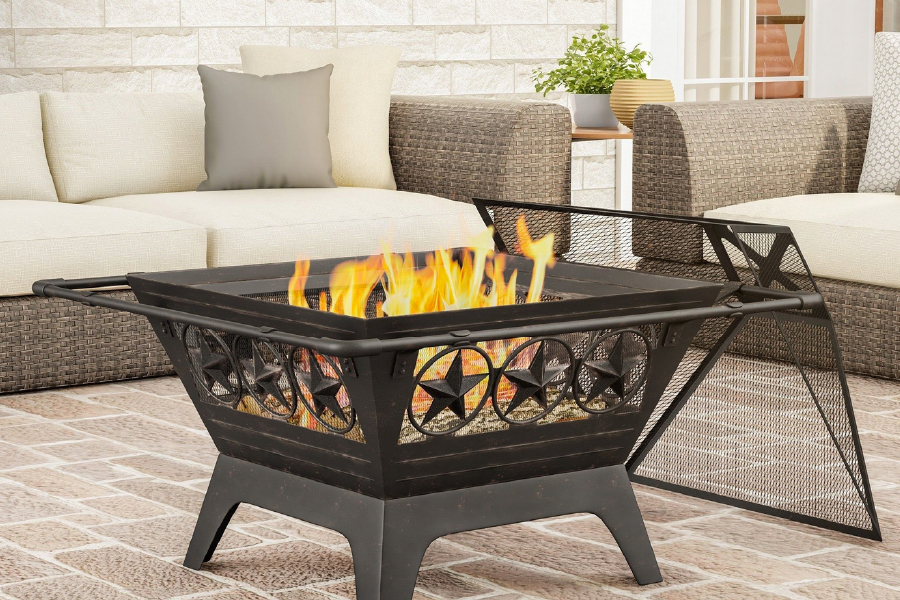
wood burning pit

Ah… the smell, the crackle, the deliciousness of roasted hot dogs and gooey smores! Nothing beats the rustic charm and natural beauty of a real wood-burning fire pit. While a traditional campfire can be dangerous, causing burnt ground or grass and the risk of spreading fire, the latest low height, wood-burning fire pits have none of these issues thanks to their iron construction and optional (but highly recommended) mesh cover, which are especially necessary for yards with lots of plants or grasses or if you want to place your pit close to the home.

Gas Fire Pits

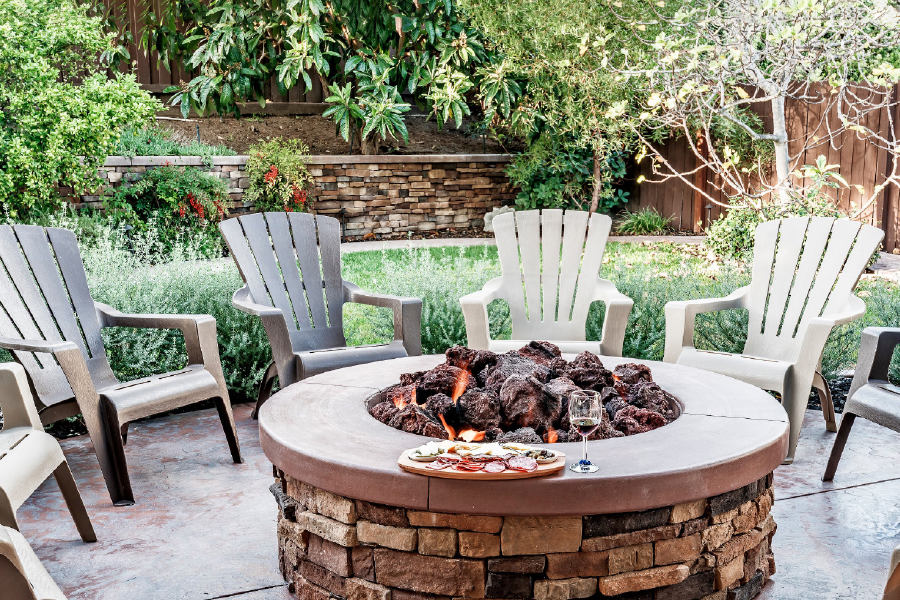
gas fire pit

Safer and lower maintenance than wood-burning and available at several heights, a gas fire pit is a more versatile option for a broad variety of homes. Available in levels including chat, dining, and counter, many feature a surrounding table area perfect for placing dishware and glasses while you enjoy conversation or dinner. Cooking on a gas fire pit, however, is not recommended.

Chimineas

chiminea

Another option is to use a chiminea. Basically, a portable outdoor fireplace, chimineas have recently become popular in urban settings, where they’re placed on a patio or lawn creating a warm, interesting focal point for outdoor activities.

Traditionally constructed from clay and mud, chimineas originated in Mexico, where they were used by tribesmen to bake bread and generate heat. With a bulb-shaped, potbelly base that rises up to the chimney or neck, today chimineas are safely fabricated with cast iron and aluminum.

Jeremy Kalapacz, sales and advertising coordinator at Oakville Home Leisure, says fire pits are a hot ticket item this summer, “If you’re looking to maximize time spent in your backyard, a fire pit is a great way to extend the season – taking you right through to the fall, even into November.” Kalapacz notes that the biggest trends right now are concrete, faux timber, and slate, all of which pair beautifully with any outdoor décor.  

While fire features are lovely to admire, they can also be dangerous. Any kind of fire should be placed at a minimum of ten feet away from your home and your neighbour’s yard, and it should also be in a place where there are no overhanging branches, fences, or other structures that could easily catch fire.

In addition to determining a location for your fire pit, you will need to figure out the ideal surface for it. Safe fire pit surfaces include brick, stone, gravel, concrete, or some type of fire-resistant composite material.
Kalapacz says Oakville Home Leisure is happy to complete home visits and site surveys in order to help clients identify the best place for their fire pit install. 

Both Oakville and Burlington have regulations around outdoor fire burning. In the Burlington area, a fire pit, a chiminea, and any kind of outdoor fireplace is considered open-air burning and you will need to obtain an open-air burning permit (for online link, visit burlington.ca/burnpermit). For each new permit, a Fire Prevention Inspector will inspect the site to assess any danger to nearby combustible materials. Oakville allows recreational burning in all areas as long as residents follow a few simple rules, such as time constraints and pit size.

Whether you’re looking to gather with friends around a fire and roast marshmallows or cozy up with a cup of tea in the cooler months, a fire pit is sure to bring warmth to your backyard and extend the
outdoor season.  

Local Links

By: Kristy Elik

As homeowners know, spring is often the busiest season. The snow thaws and our gardens are exposed, glaringly in need of cleaning, trimming, and rejuvenation. 

The winter can be hard on our trees as well. Knowing when and how to prune them is an essential part of their health, ensuring that they flourish and thrive. So, why is it one of the most neglected aspects of yard work? While many of us carefully trim our perennials and shrubs, the thought of overcutting and accidentally damaging a beautiful, hearty tree can feel intimidating. However, when armed with a few tips, tree pruning can be easily done and the results are worth it! 

Why prune in late winter and early spring?

According to Mitchell Watt, plant supervisor at Sheridan Nurseries in Oakville, early spring is a great time to refresh overgrown shrubs and trees to help promote healthy new growth. “Pruning before the buds break leads to something we call ‘optimum wound closure’,” he says, “It allows the trees to heal from being cut before warmer weather sets in.”  

Another important reason to trim in early spring is that it allows pruners to assess the tree structure before the new buds emerge. That way you can clearly see where it is overgrown and in need of refreshing. It is also easier to identify any branches that may have sustained damage or disease over the long winter months.

Flowering and deciduous trees

Flowering fruit trees and deciduous trees are best pruned in late winter and early spring before buds, leaves, or blossoms appear. Since trees store their energy in their root system, pruning in late winter or early spring (while the tree is considered “dormant”), encourages vigorous growth to the branches that are left once spring arrives. For fruit trees, this means better quality fruit and bountiful yield. Also, don’t be afraid to trim aggressively! The harder the cutting, the greater the response to new growth will be. 

If your tree is too large and you want to curb its growth, pruning after it has blossomed will help slow growth down and enable you to keep the tree to a more manageable size. 

There is a small group of trees and shrubs that should not be trimmed in spring, including forsythia, lilac, magnolia, and hydrangeas. These types of plants develop their buds prior to spring and also grow buds on old wood. Trim these trees in the autumn. 

Evergreens

Evergreen pruning differs slightly from other trees. Watt recommends pruning all evergreens — except pine — in early spring before any new growth starts. This means following the natural branching pattern of the tree to cut away any winter damage, as well as trimming dead foliage. This will help preserve the original shape of the tree. 

With broadleaf evergreens like cedar and boxwood a process known as “selective pruning”, or trimming one branch at a time, will give better long-term results than over trimming. Aesthetically, regular shearing will give evergreens a fuller, denser look over time. 

When to DIY and when to leave it to professionals 

With the correct tools, pruning and reshaping a tree is a simple DIY project. But, when should we call in professionals?

Jessica, from TERRA Greenhouses in Burlington, says that pruning for cosmetic reasons is almost always a do-it-yourself task. Another time to wield the shears is when small or medium trees begin to develop suckers at their base. Since suckers are closest to the root system where the tree stores its energy, they divert it from the main plant and focus it on themselves. “Over time, you’ll start to lose the beauty of the original tree that you carefully chose and invested in,” Jessica says. 

The arborists at Davey Tree Experts in Burlington have a rule of thumb — if you have to work from any great height, call in a professional! They caution that the consequences of unskilled pruning aren’t just aesthetic. The structural integrity of the tree can be compromised and turn it into a danger during storms, leaving it susceptible to lost branches or even uprooting.

Another reason to call in help is if the tree is showing signs of real sickness or disease that needs to be treated. An arborist can also help if it has been many years since your tree was pruned. They can give it a good reshaping and, with their guidance, homeowners can maintain it afterward.  

by Kristen Psihogios
Local Links

Terra Green Houses
Terragreenhouses.com

Sheridan Nurseries
Sheridannurseries.com

Davey Tree
Daveytree.ca/burlington

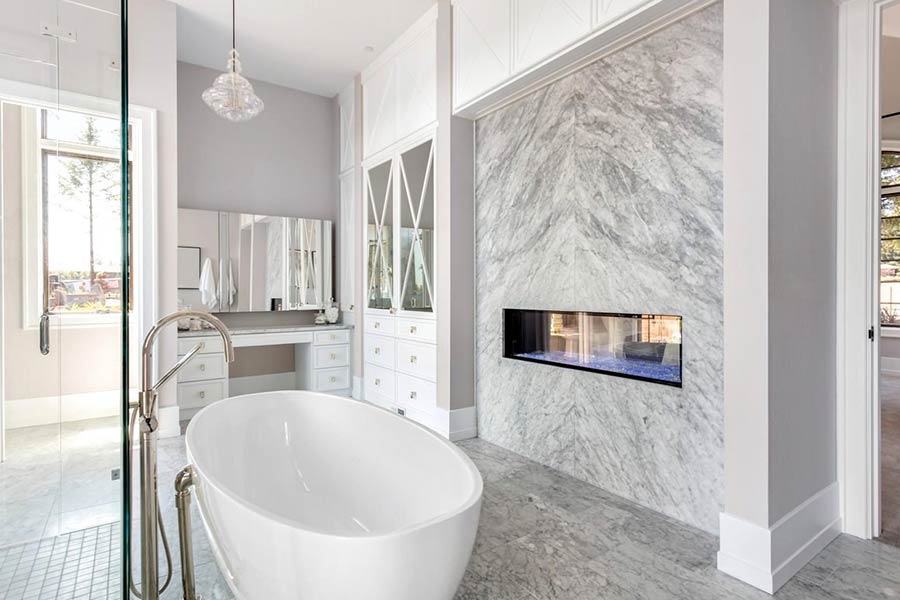
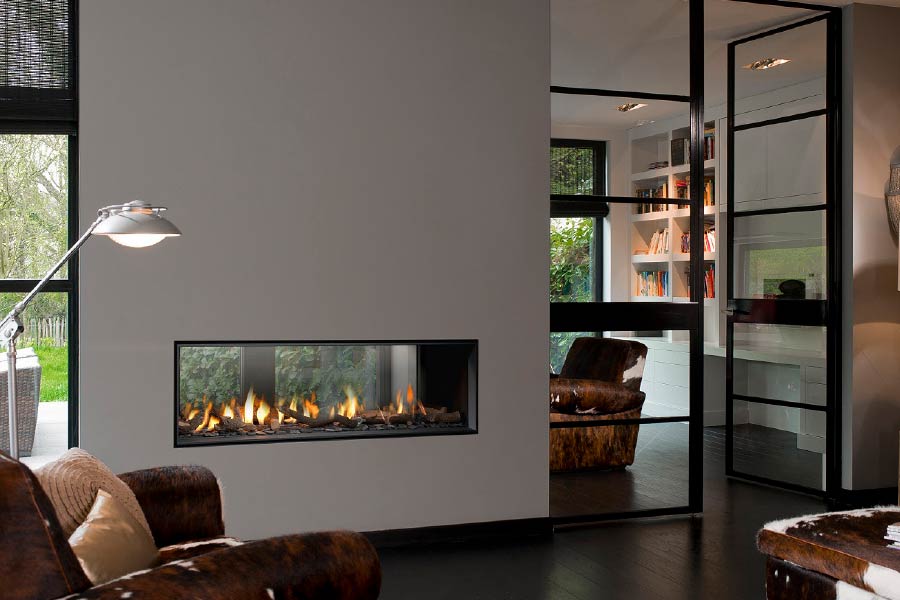
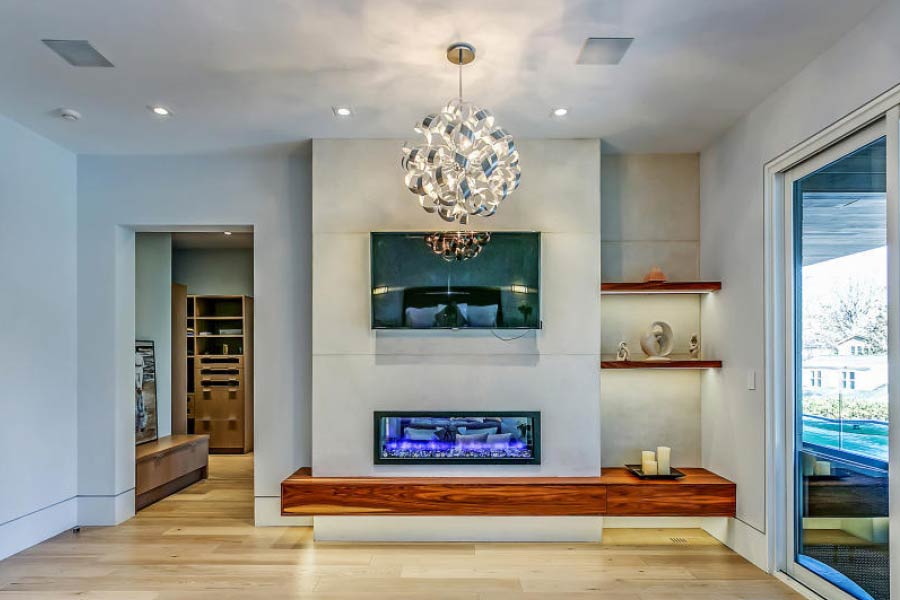
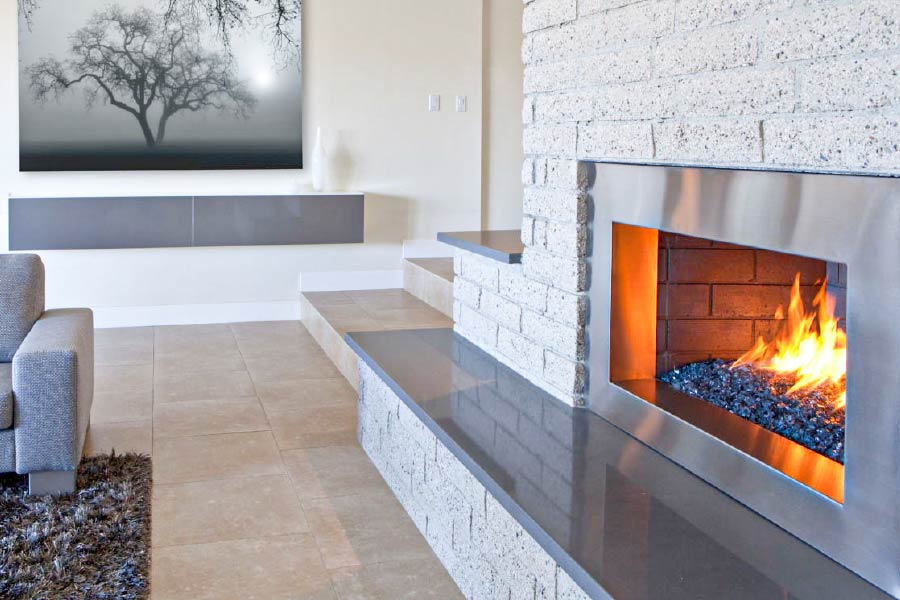
The fireplace has been an important part of the home for centuries. Once relied on for cooking and warmth, the fireplace has come a long way from being a necessity to becoming an art piece. While fireplaces these days are less of a functional necessity, there are new trends in both style and performance that continue to make them a focal point in the home. 

“Customers update their fireplace for many reasons,” says Nicole McKenzie from Hearthland Fireplaces Inc. in Burlington. “Some are retrofitting their wood-burning fireplace into a gas fireplace, and others are simply removing dated brass louvers.” Modern fireplaces are taller than classic or aging fireplaces, which can mean that mantels also require some updating at the same time. “Medium Density Fibreboard (MDF) and pre-cast mantels are the leading materials for a mantel upgrade,” Nicole adds. “In modern or contemporary homes, natural finished oak veneers are the most popular finish for the beam if the wall is not being finished with a porcelain slab tile from floor to ceiling.”  

Hearthland Fireplace Inc.

When tasked with refacing or updating your fireplace, there is more to take into consideration than what materials to use for the project. Hearthland recommends that homeowners consider what a finished space will look like, as this can alter the appearance and type of fireplace one chooses. Other possible considerations include hanging artwork or a TV above the mantel, how much heat should come from the fireplace, and how the fireplace design will fit the overall style of the home. 

Inspired Home

Tony Valentine from Inspired Home in Burlington adds, “When deciding whether or not to renovate your fireplace, consider the energy efficiency of your current system and whether your fireplace will be used for heat or ambiance.” When it comes to energy-efficient fireplaces, gas options have classic wood-burning fireplaces beat. Gas fireplaces are clean energy-burning and do not rely on electricity to run. They’re also an eco-friendlier way to heat your home and have the ability to function without a chimney, making this a popular option for condo/small space living as well as full-sized dwellings. 

Felco Fireplace

As for 2020 trends, the linear fireplace (rectangular in shape) is expected to continue to dominate the renovation scene. “We are seeing a trend for traditional homeowners purchasing a linear fireplace and using interior log options to add a traditional touch to their newly purchased modern piece. Choosing the logs, glass embers, and other details for the final project is the fun part with making a fireplace your own” says Nicole.  “People tend to go for those traditional looks,” Tony adds. “The very popular design is the linear looking fireplace with an open view on the sides.”   

The other trend for 2020 – large and in charge. Traditional gas fireplaces are expanding in size, adding a prestige to the home that smaller fireplaces can’t match. Light stonework is being used to accentuate darker inserts. Woods and stones are also being mixed – whether it’s a light stone and dark wood, or white wood and darker stone. The goal is to brighten the space while also drawing your attention to the frame of the fireplace. In addition, smart remotes are being incorporated into newer fireplace models, which allows temperature control from the click of a button. 

For those who may be looking to renovate but are working within a budget, there are many options available. Tony recommends using new stone facades or tiles to clad an existing fireplace or installing a new mantel using wood materials or pre-cast stone. Another option is to paint over old brick while also adding a new mantel.

Whether you are chasing after the hottest trends for your new fireplace or simply looking to restore it to its natural glory, remember to have fun with your renovation. The fireplace is a hot-spot of the home and your renovation doesn’t have to leave you feeling cold. 

by Victoria Jones

Local Links

Inspired Home Design and Renovation, Burlington
Studiovbydesign.com

Hearthland Fireplaces Inc, Burlington
Hearthland.com

Felco Fireplace and Mantel, Oakville
Felcofireplace.com

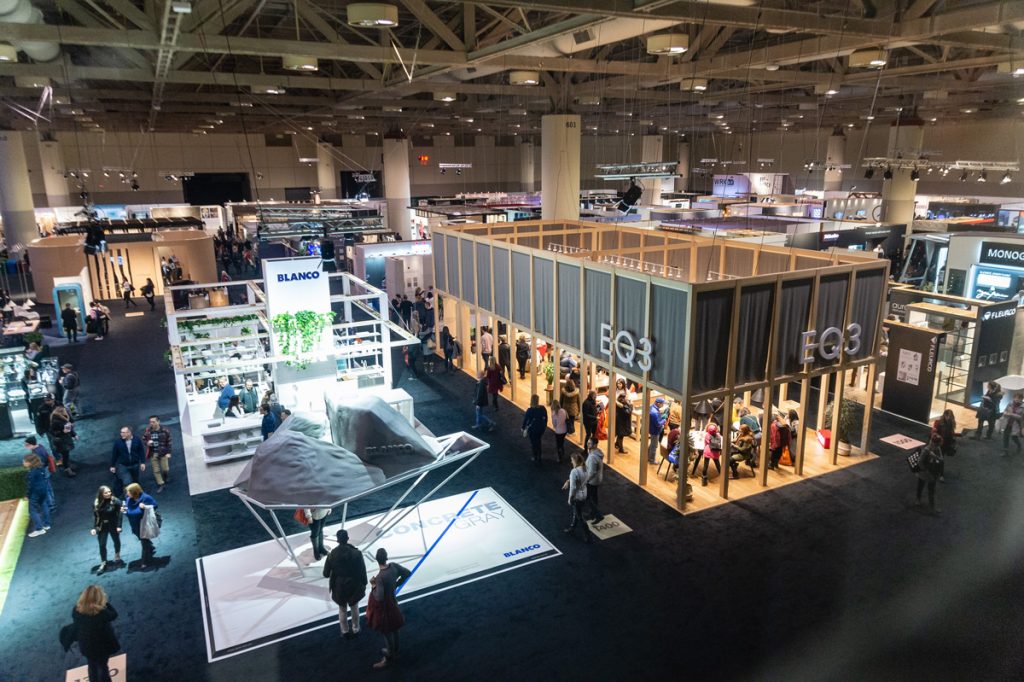
Canada’s largest design exposition and conference, the Interior Design Show (IDS20), returns to Toronto with a future-forward vision for 2020. IDS20/20 will bring together global minds, leading designers, makers, changers, shapers and dreamers of today who are creating the new worlds of tomorrow.

Canada’s premier showcase of new products, furniture, superstar designers and avant-garde concepts became a hybrid event last year, catering to trade construction, design professionals and design-savvy consumers. IDS20 takes place January 16-19, 2020 at the Metro Toronto Convention Centre.

“For over 20 years, IDS has been both a catalyst and authority for Canadian design,” says Karen Kang, National Director, IDS Canada. “During the past two decades, we have witnessed a lot of change. Yesterday’s designer has become today’s problem solver and tomorrow’s visionary. This year’s IDS 20/20 theme will explore how designers now create experiences at the intersection of technological and social problems, imagining new roads to alternative realities.”

IDS 2020

IDS Contract

In 2019, IDS expanded to include IDS Contract, a hyper-curated B2B trade-only exposition and conference focused on all verticals of design including: workplace, healthcare, retail, hospitality, education, public spaces, government and more.

IDS Contract Trade Days will continue in 2020 on Thursday and Friday. New this year, Trade Day attendees will also benefit from full access to the IDS Main exhibit hall.

 IDS Contract brings an additional 100+ exhibitors and several new feature areas aimed at B2B trade professionals. Along with IDS Contract is IDS Conference, a series of 65+ sessions including keynote speakers, fireside chats, seminars and workshops. The 2020 installment will explore the business of design, the future of work, the future of living and technology.

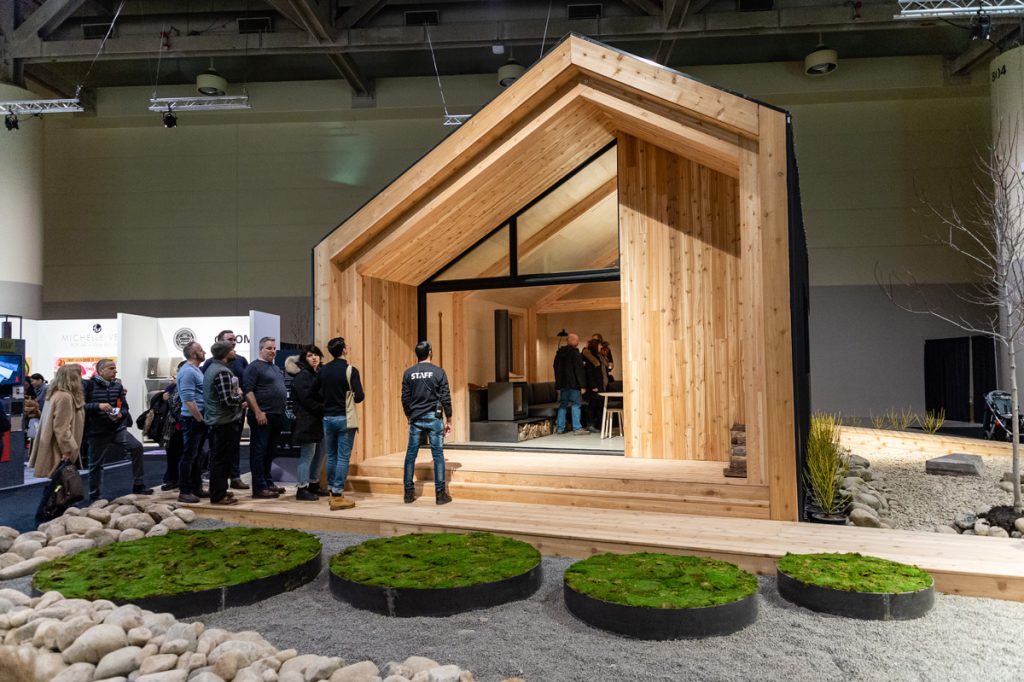
IDS20 Concept House

 RESET HOME: Design for the Senses

This year’s IDS Concept Home is a multisensory experience of the future of living and an exploration of the role that our homes can play in improving our overall wellbeing. Blending theories of spatial perception and human wellness, Hummingbird Hill Homes, VFA Architecture + Design and Victoria Taylor Landscape Architect bring you the RESET Home; a space that transcends contemporary design to reset the way we perceive, interpret, experience and thrive within our living habitats. The fully realized space will allow IDS20 guests to walk through the home and explore how materials, textures, sounds, scents and light affect the five senses, mind and body, impacting the way we live and interact within the private sanctuary of our home.

IDS 2020

Keynote Conference Speakers

 Frida Escobedo

Joining IDS20 as a keynote conference speaker for the Dezeen Trade Talks on Thursday, January 16th is Mexican architect and designer, Frida Escobedo. Principal and founder of her studio based in Mexico City, Escobedo is known for her interesting use of materials. Her work focuses largely on the reactivation of urban spaces that are considered to be residual or forgotten, through projects that range from housing and community centers, hotels, galleries and public art installations. The intention to provide possibilities for growth and flexibility can be read as much in large scale social housing projects, such as those developed for INFONAVIT, as in more modest interventions like Casa Cruz Castillo or Casa Negra. In addition to her practice, Escobedo has taught at Columbia University’s Graduate School of Architecture, Planning and Preservation and during spring 2019 was a visiting professor at RICE University. She is currently teaching at Harvard Graduate School of Design. She is the recipient of the 2016 Architectural Review Emerging Architecture Award, the 2017 Architectural League Emerging Voices Award, and in 2018 was the youngest architect to design the 18th Serpentine Summer Pavilion in London.

ids 2020 frida

Francis Kéré

IDS20 is pleased to be hosting internationally acclaimed architect Francis Kéré as a keynote conference speaker for the AZURE Trade Talks on Friday, January 17th. Kéré has garnered critical praise from the beginning of his architectural practice when awarded the prestigious Aga Khan Award for Architecture (2004) for his first ever building – a primary school he designed, raised the funds for and realised in collaboration with the residents of his native Gando, Burkina Faso. Kéré is regarded as one of the most distinguished contemporary architects thanks to his pioneering of a communal approach to design and his commitment to sustainable materials and modes of construction. He has gathered a diverse, agile team at his Berlin-based Kéré Architecture offices, to take on projects across four continents. Most prominently these include his design for the Burkina Faso National Assembly, the Léo Surgical Clinic & Health Centre (2014), the Lycée Schorge Secondary School (2016), the Serpentine Pavilion (2017) and Xylem (2019), a gathering pavilion for the Tippet Rise Art Center.

IDS 2020 Ouwerkerk

IDS20 Schedule

Thursday, January 16

10 am – 4 pm – Trade Day + IDS Conference

7 pm – 11 pm – Opening Night Party Presented by PurParket

Friday, January 17

9 am – 6 pm – Trade Day + IDS Conference

Saturday, January 18

10 am – 6 pm – Public Day + Design Classes

Sunday, January 19

10 am – 6 pm – Public Day

Metro Toronto Convention Centre, South Building, 222 Bremner

Blvd, Toronto, ON M5V 2T6 (map)

IDS Contract (Halls F&G) and IDS Main (Halls D&E)

For more information visit: InteriorDesignShow.com

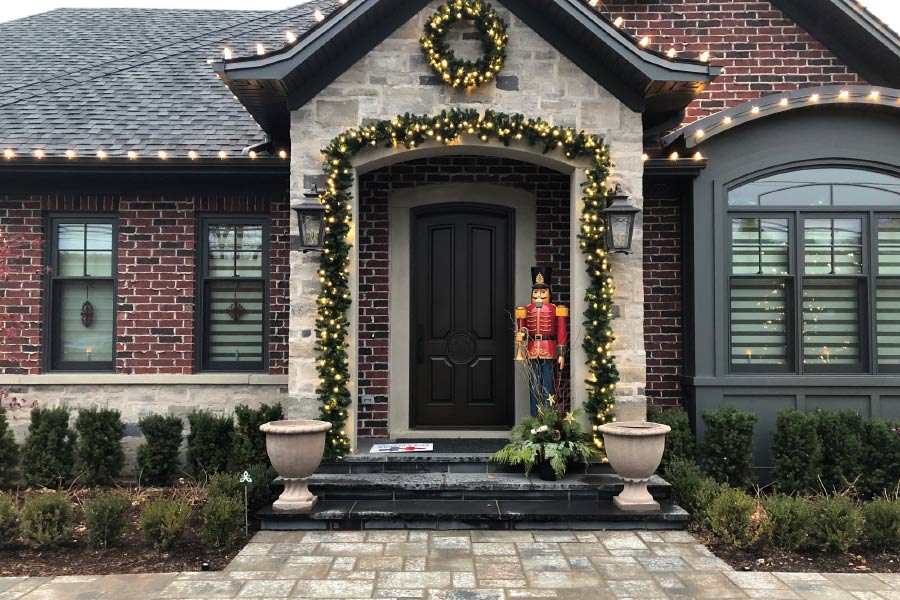
The holiday season is just around the corner, and with it comes the hustle and bustle of decorating our homes.  From festive plates and glittery glassware to cherished family heirlooms, we all have that special something that brings the holidays alive. While we tend to spend most of our time trimming our tree, decking the halls, and hanging stockings with care, the best place to showcase our holiday spirit is outside the home. “Outdoor holiday lighting adds so much to a home,” says Don McQueen, president and owner of Christmas Décor in Oakville. “During the holiday season, as the days become shorter and the nights become longer, people go to work and come home in darkness. By adding festive lighting, it can brighten someone’s day. Every time I turn onto my street and see my house lit up, it gives me an instant lift.”

To get the best curb appeal, Don says there are three key spots you should be decorating:

Always a classic is rooftop lighting. Decorating your roof with greens and reds, or simply a snowy-white glow is a wonderful way to make your home shine. There are a variety of string lights available in both LED and incandescent. LED is the most cost-effective due to its high efficiency. Over the last few years, the trend has strayed from large, colourful bulbs popular in the 90s to mini-lights and hanging icicles. String lights offer twinkle, ambiance, and warmth to a typically cold winter night – an enjoyable sight for anyone passing by.

During the day, however, string lights lose their allure. Adding daytime décor to the porch and centre of the home, such as over the front door or garage, extends a warm invitation to visitors. Focus on decorating entrances with garlands and wreaths, or even throw a cozy blanket over a rocking chair. Incorporate festive planters filled with winter blooms, plaid ribbons, rustic wood, and lanterns to tie it all together.

Lastly, decorating your walkway, gardens, and lawn adds focus to the landscape and maintenance of the property. While we can’t see your green thumb under the piles of snow, you can bring your lawn to life with animated decorations. Holiday inflatables have become a hot-ticket item as they’re easy to use. Pathway lighting along sidewalks and driveways is another bright decorating idea. You can also dazzle with a light show, put on by projector lights and spotlights,many of which work with smartphones.

From a decorating perspective, Don recommends tackling all three focal points to get the most curb appeal.

With the inspiration of Pinterest, it’s easy to convince ourselves that we can tackle Griswold-level decorating all on our own. However, there’s a good chance you have a memory or two of your father climbing up an old rickety ladder (in a snowstorm) with a giant plastic Santa on his shoulder – DIY isn’t always as it seems.

“We’re trained to work with heights and trained in ladder safety,” says Don. “We have liability insurance and are covered by WSIB. By hiring someone, you remove the danger factor.”

Photo courtesy of Festive Décor, Burlington

Something else to consider is storage and takedown. Doing it yourself usually entails buying, hanging, taking down, and storing all of the decorations yourself. Jamie Roy, owner and operator of Festive Décor in Burlington, says that by hiring professionals, there is no need for decoration takedown and no need to worry about storage. This means you can take your lights down long before it warms up in the spring. “Your colour and style can be changed from year-to-year as opposed to store-bought lights,” adds Jamie. Lighting quality also varies depending on if you use a professional or choose to buy your own. The lights used by the pros are brighter and more durable than what can be found in hardware stores.

Whether you are tackling this year’s lighting job on your own or relying on a professional to do it, make sure you leave yourself plenty of time to get the job done. Professional bookings fill up quickly and bad weather can get ahead of DIY plans. Create a true winter wonderland  this year! 

by Victoria Jones

Local Links

Christmas Décor
Christmasdecor.ca

Festive Décor
Festivedecor.ca

Happy Holiday Décor
Happyholidaydecor.com

Imagine coming home at night just after dusk and the exterior lights are already on to pre-set levels. As you enter your code into the door lock, your alarm is deactivated and the lights inside turn on to guide you into the kitchen – and on the TV, your favourite evening program is playing. Upon retiring to bed, you hit ‘bedtime’ on the touchscreen remote – this turns off all of the TVs in the home, all of the overhead lights, and lights a pathway on the stairs. The security alarm is set. Your home is asleep and safe —all from the touch of a single button. 

In the morning, your shades open at sunrise easing you gently into the next workday. When leaving for the day, no need to run around to turn off lights, TVs, or adjust the blinds – you just hit ‘goodbye’ on the touch screen as you walk out the door. The alarm is set, TVs and lights are off, the shades follow the sun and open/close as needed, all on their own. Unless, of course, you get to work and realize that you forgot to lock the door, in which case, there’s an app for that too… With a smart home system, when you’re not at home, you’re never really away from home. When the doorbell rings, you can check your security cameras from your phone just to make sure all is safe and sound. When your teenager comes home from school, you can make sure they’re eating the dinner you left in the fridge rather than ordering in a pizza. Smart home technology is nothing more than security and solutions.

This is how Sarah Love of PM WYRE in Burlington describes the benefits of a fully-automated smart home. In short, Love says “A fully automated smart home is a seamless integration of technology into our lives, in which the everyday tasks are simplified into non-existence.” Robert May of Sounds Good AVS Solutions in Oakville agrees, “If the product and system are done right, there shouldn’t be a learning curve. It should involve hitting one or two buttons and having it work.” 

 When it comes to choosing a system, both Love and May say each home and homeowner has unique needs – and the notions of ‘smart’ accessories can vary widely. Using a smart home professional such as PM WYRE or Sounds Good AVS Solutions, and scheduling a home visit is key to understanding where to start with a system. “Smart home technology is not a cookie-cutter solution,” says Love, adding, “Each smart home should be designed with the clients’ needs, and lifestyle in mind – no matter the size of the system.”

PM WYRE

 Before meeting with a professional, however, there are some things to consider, such as how you use each room, if you would like remote access, and if there are other people in and out of the home. There are so many options available and it’s just about finding the right solution for your needs.

 Home automation systems have come a long way from a simple security system, and today they  include everything from entertainment, such as audio, video, television and music; comfort which includes lighting, climate control, and motorized window shades; security with a twist, which means not only protecting homeowners from burglary, but also flooding, leaks, natural gas, CO2, smoke and heat; and wellness, such as air filtration, and monitoring the overall quality of the home, including water. Thinking about how you would like to incorporate each of those monitoring methods or smart solutions into your home can help determine the type of system that would work best for you and your family. 

 Whatever level of technology you’re looking to embrace, May says going smart should provide a solution to a problem, not create more problems or headaches for homeowners.

 The next time you’re at work wondering if you left the door unlocked or forgot to feed the dog, consider the benefits of smart technology – the freedom and flexibility will leave you liberated.

by  Allison Dempsey & Anneliese Lawton

Local Links

PM WYRE, Burlington
Pmwyre.com

Sounds Good AVS Solutions, Oakville
Soundsgoodinc.ca

Smart Tech Outlet, Burlington
Techachi.com

Oakville Sight and Sound, Oakville
Oakvillesightandsound.ca

Digital 21, Burlington
digital21.ca

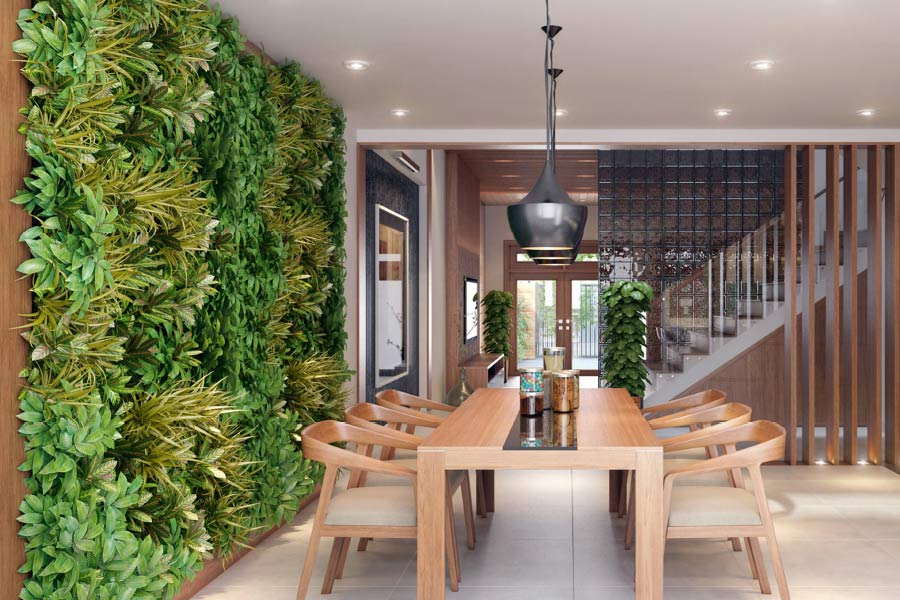
These days you don’t need to go outside to get yourself a breath of fresh air. Prevalent in Japan for years, living walls quickly picked up popularity in Canada starting around 2010. Commonly found in shopping malls, office spaces, and now, even in homes, these green fixtures of art and vitality are an eco-friendly design trend that brings the outdoors inside.

Accurately named, a living wall – or green wall – is a self-sufficient vertical garden that attaches to the exterior or interior wall of a building. Not to be confused with ivy walls, living walls are installed and fastened directly to the wall. The plants receive water and nutrients from the structure they’re grown in rather than ivy which grows directly from the ground. Besides the numerous benefits, living walls are easy to care for, especially with the support of local companies who specialize in the installation and plant selection.

“They’re excellent for both residential and commercial applications,” says Christopher Curtis of Living Wall Concepts in Oakville. “They provide so many mental and physical benefits, especially in places like schools, dentist and doctor offices, nursing homes and hospices. They’re like living artwork.”

Lighting is a vital component for the ongoing success of these installations, and Curtis suggests contacting a company like Living Wall Concepts that is well-versed in the process to help you choose plants and set up a maintenance schedule.

“Our system uses no hard water lines or pumps, so it’s a little bit easier,” he says. The size of the living wall can vary greatly, from two by two feet to 10 feet by 20 feet. Some plants that work well include Pothos, Peace Lilies, Janet Craigs, and Dracaenas.

Living Walls

With a living wall, air purification and air quality are unparalleled, says Amanda Matfin of Greenteriors of Burlington. She adds space isn’t an issue. Even apartments can handle smaller versions of the walls with as few as 10 plants.

“Herb walls are also a great idea, perfect for foodies who want fresh herbs year-round and through the harsh Canadian climate,” she says. “The key ingredient is proper care, and that’s something we as a company can do for the owner.”

There are a number of professional buildings that can benefit from installations, she says, including restaurants, which are a popular place for living walls to enhance guests’ experiences.

Aside from being aesthetically pleasing, living walls offer numerous health benefits.

“In places of care, like hospitals, living walls can greatly reduce anxiety, stress, and depression, and are proven to enhance and speed up healing,” Amanda says.  “There’s lots of room for creativity.” Amanda has seen the walls used as interior design additions, and acoustic or sound absorption trappings in high-traffic areas. Any chance to go natural and get rid of plastic, she stresses, is a good step forward.

Before any installation takes place, a consultation is needed to determine what space is available, the level of commitment and other requirements a customer may have. Then, you will need to find the best and most appropriate living wall system to ensure both aesthetics and top functionality are equally addressed, followed by irrigation and lighting needs, plant selection and desired maintenance. Finally, trained installation professionals will install your living wall system filled with specific plant species.

The key to success with any living wall is maintenance, says both Curtis and Matfin. Based on the species of plants selected for your living wall, it will require weekly, bi-weekly or monthly attention to ensure the plants thrive. Plants should also be monitored to ensure there are no damaging pests and that both the irrigation and fertilizer systems are working properly.

Beyond residential spaces, living walls can provide huge benefits to a work environment. When you consider just how much time you spend at your place of business, living walls can brighten even the dullest interior and improve employee retention by creating a positive and stimulating workplace. Research has found that blood pressure levels are lower when plants are present and they can also help combat fatigue, throat irritation, dry and itchy eyes, difficulty concentrating, dizziness, and irritability.

If you need any further incentive to bring a living wall into your life, consider these proven benefits: plants are shown to increase productivity, enhance test grades, reduce stress and anxiety, improve air quality, provide humidity regulation, and improve the general quality of life. People surrounded by living walls have been found to have improved mental and physical health, feel more content and relaxed, and are more creative in general.

This is a design worth getting behind. Breathe deeply, relax and enjoy your own little pocket of greenery.

by Allison Dempsey

Local Links

Living Wall Concepts
livingwallconcepts.com

Greenteriors
greenteriors.ca

When you move into a new house or apartment, and before you even think about painting walls or the placement of furniture, you search for the light switch and you illuminate your space. Without adequate lighting, it’s pretty much impossible to get a good look at what you’re working with. But as you plan the interior design of your home, don’t forget to tackle your light fixtures and tie them into the overall design.

Lighting gives you the ability to transform the atmosphere of your home. It is functional, of course, but the warmth of a bulb or the style of a fixture can create intimacy and reflect your personal style – which can change as quickly as trends do. Sometimes updating your lighting is as simple as a choosing a new lightshade or a different bulb type. 

“Trends for 2019 include open and glassless style lanterns and chandeliers,” says Susan Oliver of Concept Lighting in Burlington. “The market is demanding low maintenance fixtures that are easy to clean, and that have a more modern streamlined appearance. These fixtures also allow for fun vintage style bulbs that are trendy right now. Both brass and black metals are very popular and many manufacturers are combining multiple metals in pieces, making the transition to other metal finishes much easier for the consumer.”

When it comes to saving energy — an issue at the top of many homeowners’ minds — Susan has some suggestions as well.

“Customers are looking to save energy and LED bulbs have been super-hot for the past few years,” she says. “Our vendors are coming out with the popular vintage style bulbs in LED, which are flying off the shelves.”

She also suggests adding dimmers to regular incandescent light bulbs as a great way to save energy. LED dimmers are required for LED bulbs and they also allow you to control the light and save energy. A 4-watt LED bulb is equivalent to a 40-watt incandescent bulb, so if you have multiple chandelier bulbs, it can be great for energy saving as well as cutting down on heat output.

Judy Beckett at Gerrie Lighting in Oakville says open or exposed lighting is popular with her clients, and round ball shapes are also something many people search for.

“The trend in colouring is mixed,” she says, “with two-toned metal, brass, polished nickel, black, and chrome. We see a lot of these.” 

Soft gold lighting fixtures come in a variety of styles and designs and can bring attention to specific corners or areas of a room. Modern retro lighting can create a unique look, particularly in the kitchen, above the dining table, or as wall lighting. Industrial styles are hot right now, and they are no longer viewed as brutal and “unfinished”. Another popular design is the vintage Edison-style bulbs, with their rounded cone shape, that fit in living and kitchen areas and enhance a retro/industrial style.

Bigger fixtures designed to be a focal point are also popular when placed in the centre of a room, over the kitchen island, over the dining table, or in the foyer. Balancing these with smaller fixtures keeps everything in harmony.

Both traditional and modern styles are popular choices at Living Lighting in Oakville, says owner Sam Hong. “Gold and black colours are coming back, and are very popular,” he says,” along with brushed nickel.” For saving energy at home, he stresses that LED is definitely the way to go, and it is available in a variety of different shades. Warm white or yellow work better in a home setting, and you want to avoid anything that resembles bright, glaring commercial lighting.

“You will pay more for LED, but they’ll last much longer and are better for the environment in the long run,” he says.

Whether you’re looking to make your home beautiful through light style and placement, or simply save on your electrical bill, there are many options that will not only make your living space stunning but save you some money as well.

by Allison Dempsey

Local Links

Concept Lighting, Burlington & Oakville
conceptlighting.ca

Living Lighting, Oakville
livinglighting.com

Gerrie Lighting Studio, Oakville
gerrielightingstudio.ca

Sescolite Lighting, Burlington
sescolite.com

Elm Ridge, Stoney Creek
elmridgelighting.com

Vibrant and versatile. Bright and beautiful. Functional and fabulous. These aren’t exactly the words that come to mind when I think of my basement – how about you?

An unfinished basement is a place that tends to collect clutter. You know, those baby items you just can’t get rid of, those furniture pieces you plan on refinishing, or my personal favourite, those sealed boxes you – read: spouse – moved from your condo to your townhouse to your forever home. Ah, the basement. Whether it’s the land of forgotten toys or a time capsule of the 80’s, this space tends to hurt for an overhaul. 

When it comes to a basement renovation, the goal is to take the dark and dreary and remodel it into a functional, cozy, multi-purpose space. Determining what you need? It all starts with a wish list. What do you have and what elements do you hope to include? For some families, this means an extra bathroom or maybe a guest bedroom. For others, it could be remodeling a basement laundry space into a dream laundry room, adding a wet bar for entertaining, or maybe even a media room, bringing the theatre experience home for movie fanatics.

Cynthia Boyer, the in-house designer at The Basement Store in Oakville, says she finds wish-lists vary throughout the year. On the lead-up to Christmas, there is a focus on increasing space for entertaining: this means warming basements with a cozy fireplace, adding a bar, media room, or games room with a pool table. In the spring, demands tend to focus on adding more functional space such as bedrooms and bathrooms. The goal is to make-up for what is missing in the remainder of the house, making it an extension of your home.

When asked about current basement design trends, Angela Hansen, Designer at Opal Bath & Design in Burlington, says many people are including the luxury of heated flooring for comfort in basement bathrooms and creating the illusion of more space with the use of floating vanities and reflective surfaces. It’s also not uncommon for saunas and steam rooms to be included within a basement bathroom renovation.

Twenty nineteen trends are bringing open-concept to the basement, in order to maximize square-footage while adding the perception of additional light and space. Family-friendly multi-tasking spaces are also at the top of many wish lists, allowing separate “grown-up” space and “kid” space.  These spaces tend to include a playroom, library, and TV area. If you want to add a walk-out, pre-reno is the time to do it – and yes, it can be done!

While a wish list all seems well and good on paper, it’s not always easy to make your vision come to life – that’s why it’s important to hire a qualified contractor.

First, begin by moving your possessions offsite to get a clear idea of the space you’re working with. Be aware that drywall, mudding, and sanding can get fairly messy – so you’ll want to keep your hunny’s unopened (and well-travelled) boxes safe…. This is the perfect opportunity to take advantage of flexible storage options. Places such as Ultrastor in Burlington can help! 

Next, you’ll want to confirm your basement is free of dampness and water. Any evidence of mould or seeping water can mean there are problems with your waterproofing. It’s important to be sealed and dry before any drywall or flooring goes down. By hiring a professional such as Bosco Home Services, you can address any concerns and potentially save a costly repair in the future. 

A basement reno is also the perfect time to think about other upgrades to your home such as the furnace and HVAC system. Do you want to include home audio systems and automation? It’s best to install those before walls go up. Also, if you have future plans for main floor renovations such as kitchen and bathrooms, you may want to tackle those first. Before you close in the basement, all of these elements can be installed or roughed in.

The Basement Store

Other practical considerations to make your basement comfortable, warm, and dry are the addition of spray foam insulation and subfloors with a raised moisture barrier. Luxury vinyl plank flooring, with a wide range of colours and wood grains, is now a very popular choice; it’s a highly durable and cost-effective solution for a busy family. Inspired Flooring in Burlington has a fantastic selection to choose from.

Whatever your wish list entails, if it is a full-scale finishing of a basement or an update to the shag carpeting, there are many ways to expand your home below ground. It all starts with a vision. 

by  Deborah Richmond

Local Links

The Basement Store, Oakville
Basementstore.ca

Opal Bath & Design, Burlington
Opalbaths.com

Bosco Home Services
Mybosco.com

Ultrastor, Burlington
Ultrastor.ca

The garage is often the last unorganized frontier in the family home… the place where boxes, sports gear, discarded hamster cages, gardening and lawn equipment, bicycles, and various other odds and ends are tossed. Let’s be honest, if you’re actually able to store a vehicle in the garage – you’re way ahead of the game. For those who use this space for storage, there are endless ways to keep your goodies in the garage while keeping enough room for the car – and we’re here to help!

For most busy homes, space is at a premium. “The garage is often a dumping ground, so the first thing you want to do is get everything out and off the floor,” says Linda Fiore Ceolin of Garage Living. “Ideally, you want nothing on the floor, to make it easier to get around and to keep clean and walk without tripping.”

She suggests that the flooring be looked after first. If the flooring is cracked or worn, it should be fixed or replaced to match the garage interior, ensuring a cohesive look.

Garage Living provides a wide range of storage options to help with organization and keep items either out of sight or displayed neatly on the walls. “We offer everything needed to get organized, including storage bins to purge what needs to go first,” she says.

When it comes to storage equipment, slatwalls seem to be the go-to. The grooved panels make it easy to hang sports equipment, ladders, and gardening tools.  Custom cabinetry is great for storing items in designated bins, like tools, nuts and bolts, or even paint. “Cupboards can be treated as a pantry, where you can hide items from view if you choose,” explains Linda.

The ceiling is another popular option for storage opportunities. “The ultimate goal is to keep things neat, clean and dry so you can actually park your car and sweep or shovel out water, slush, and leaves.” she says. Building custom shelving can create loft-storage, giving you extra square footage to store items such as seasonal furniture and decorations.

The slat wall system is definitely the most popular and efficient way to get the garage space neat and organized, says Austin Macaulay of Burlington Closet and Garage.

“We provide an all PVC, Canadian-designed and made-in-Canada slat system that comes in four colours,” he says. “It’s appealing to the eye with heavy-duty hooks that lock in and hold 75 pounds per square foot of space.”

Austin also suggests wire baskets and shelving for gardening tools, and hooks on the walls and ceiling  to accommodate bikes, kayaks, and paddle boards.

He says, “If you utilize the back wall and the ceiling, that can help free up a lot of space you may not have realized you had.” There are even motorized lifts available to make reaching items stored on the ceiling easier to access. And the slat system can be installed by professionals, or by yourself: “It goes up like siding, with a very clean look and you can’t see the screws.”

Although getting organized is a great feeling when you’re all done, if you’re feeling overwhelmed by the entire process, Linda suggests tackling it a section at a time.

“The garage is usually the last place in the home to get organized, but you can always do it in steps if you choose, bits at a time,” she says. And if you’re worried that your space is unable to be organized at all, she also has advice for that: “No space is too small!”

With the right organization tools, some planning and maybe a bit of purging, your garage can hold everything it needs to, including your vehicle. 

by  Allison Dempsey

Local Links

Garage Living
Garageliving.com

Burlington Closet and Garage
Burlingtonclosetandgarage.ca

Closet Envy
Closetenvy.ca

Closets Plus
Closetsplus.ca

California Closets
Californiaclosets.ca